

Introduction: Why Low-Cost Businesses Make Sense Today

Starting a business no longer means having huge capital or waiting for the “perfect time.” Over the years, I’ve seen people delay their dreams simply because they believed money was the main requirement. In reality, most successful small businesses today started with clarity, consistency, and a small but smart budget.
The idea behind a $100 startup is simple: reduce risk, learn fast, and grow from real experience. Whether you are working a 9 to 5, unemployed, or just tired of depending on one income stream, low-cost businesses give you the freedom to test ideas without financial pressure. I’ve watched friends in Nigeria, Cameroon, and even Europe start with very little, using skills they already had, and slowly build something sustainable.
What most people get wrong is chasing complicated business models instead of starting with something simple that fits their time and resources. That’s why in this guide, I’m breaking down 12 realistic low-capital business ideas you can start with as little as $100, including what each business involves, how to start, and what to expect realistically.
If you’re serious about building income outside your main job, you may also want to read this guide on how to earn extra income while working a 9 to 5. It connects perfectly with what you’re about to learn here.
By the end of this post, you’ll understand how to choose a business wisely, avoid common beginner mistakes, and start with confidence instead of confusion.
Understanding Low-Cost Businesses
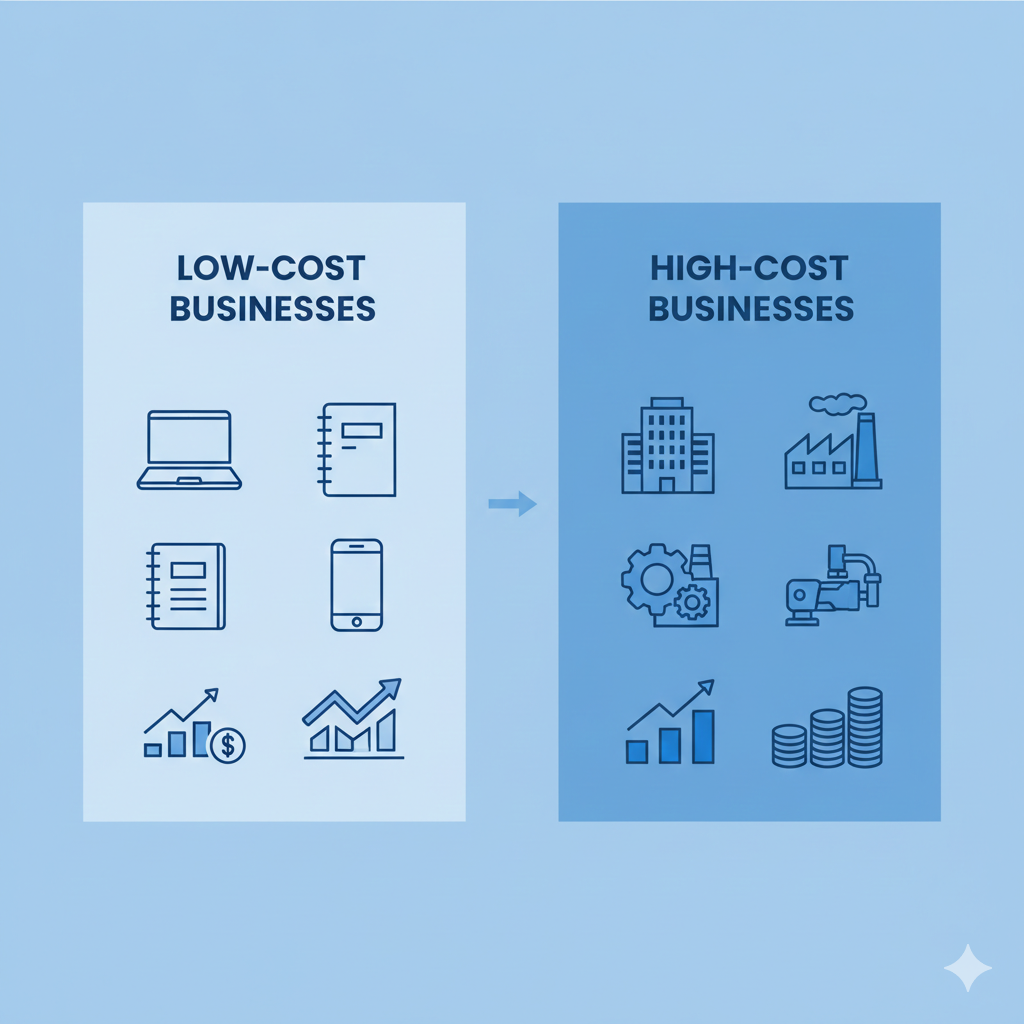
A low-cost business is not about cutting corners or doing something small forever. It simply means starting with what you can afford, learning as you go, and growing based on real results rather than assumptions. From experience, this is the smartest way to enter entrepreneurship, especially if you do not want financial pressure to kill your motivation early.
When people hear “low-capital business,” they often think it means low profit. That is not true. Some of the most profitable businesses today started with almost nothing. What made the difference was not money, but execution, consistency, and understanding the market. I have seen this firsthand with small business owners in Cameroon and Nigeria who began with basic services like freelancing or reselling and later expanded into full-scale operations.
One major advantage of low-cost businesses is reduced financial risk. You are not borrowing money or putting yourself under unnecessary pressure. If something does not work, you learn, adjust, and try again without damaging your finances. This is exactly why many business educators and platforms, including resources like Shopify’s small business guides, recommend starting lean.
Another benefit is easy market entry. You do not need complex registrations, expensive tools, or office space to begin. Most low-cost businesses can be run from your phone or laptop, making them ideal for beginners or individuals who combine business with a job.
Most importantly, low-capital businesses allow you to test ideas before scaling. Instead of guessing what people want, you learn directly from customers. That practical feedback is what separates businesses that grow from those that disappear after a few months.
If you’re already thinking about building something long-term, this approach also aligns perfectly with the strategies I explained in my guide on small business growth strategies, where sustainability matters more than speed.
In the next section, I’ll show you how to choose the right business idea so you don’t waste time or money on something that doesn’t fit your skills, lifestyle, or goals.
Criteria for Selecting a Business Idea
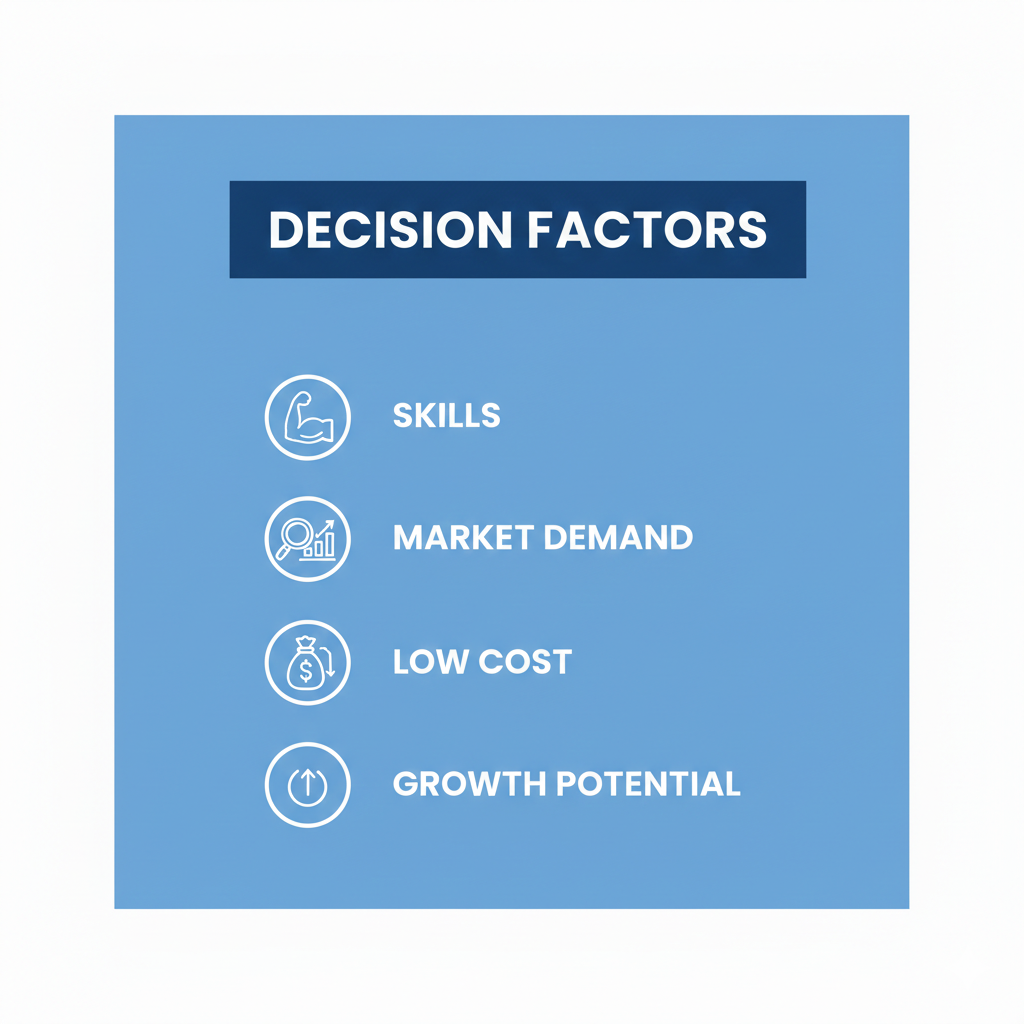
Before jumping into any business idea, one mistake I’ve seen repeatedly is people choosing what sounds profitable instead of what actually fits their situation. A business can look good on paper and still fail if it doesn’t align with your skills, time, or market demand. That’s why choosing the right idea matters more than choosing a popular one.
The first thing to consider is market demand. A business only works if people are already looking for what you want to offer. This is why service-based and problem-solving businesses tend to succeed faster. I always advise checking what people are already paying for, whether through online platforms, local demand, or even simple conversations. Tools like Google Trends can help you see what people are actively searching for.
Next is your personal skill set and interests. You don’t need to be an expert, but starting from something you understand shortens the learning curve. Over the years, I’ve seen people struggle simply because they chose businesses they had no interest in maintaining. When the excitement fades, consistency disappears. Choosing a business that matches your skills or curiosity gives you an edge.
Another key factor is growth potential. Some businesses are good for quick cash but hard to scale. Others grow slowly but become stable over time. The goal is to pick something that allows improvement, expansion, or diversification later. This is the same principle I explained in my guide on how to grow a business sustainably, where long-term thinking always beats quick wins.
Lastly, focus on low overhead and simplicity. The more expenses and moving parts involved, the harder it becomes to stay consistent. Simple business models allow you to focus on learning customers, improving service, and reinvesting profits instead of struggling with costs.
Now that you understand how to choose the right business idea, let’s move into the practical part — the actual low-cost business ideas you can start with $100 or less.
12 Low-Cost Business Ideas

Now that we have looked at what truly makes a low-capital business worth starting, the next step is putting those principles into action. The ideas below were selected based on real demand, low startup requirements, and how practical they are for beginners who want to start small and grow steadily. These are not random business suggestions. Each one aligns with the criteria above, requires little capital to begin, and has been tested in real-world situations by everyday entrepreneurs across different countries. As you go through them, focus on the ones that match your skills, lifestyle, and long-term goals rather than trying to do everything at once.
1. Online Tutoring

What the Business Is
Online tutoring is a service-based business where you teach or guide people in a subject you already understand. This could be academic subjects, professional skills, language learning, or even practical knowledge like basic computer use or exam preparation.
This business works well because people are constantly looking to learn. I’ve seen this work not just with teachers, but with professionals who simply shared what they already knew. A friend of mine in Cameroon started tutoring basic math and English online after work, and within months, it became a steady income stream without quitting his job.
Startup Cost Range
$0 – $50
Most of the time, you only need:
- A phone or a laptop
- Internet connection
- A quiet space to teach
No office, no inventory, no heavy setup.
Skills Needed
- Clear communication
- Basic teaching or explanation skills
- Patience
- Confidence in at least one subject
You don’t need certificates to start. What matters is the ability to explain things clearly and help people understand.
Tools Needed
- Zoom or Google Meet
- WhatsApp or Telegram
- Email or basic scheduling tool
Some people also use platforms like Preply or Superprof to find clients faster.
Simple Steps to Start
Start by identifying one topic you understand well. Then:
- Define who you can help
- Offer free or low-cost sessions to test demand
- Collect feedback
- Improve and increase your rate
If you already have an online presence or blog, this fits well with content marketing. I explained how content can attract clients naturally in my post on how to make money online.
How People Find Customers
Most tutors get clients through:
- Referrals
- Social media posts
- WhatsApp groups
- Online platforms
Once you help a few people and deliver results, word spreads fast.
Realistic Earning Expectations
Most beginners earn between $100–$400 per month at the start. With consistency and better positioning, this can grow much higher over time.
2. Dropshipping
What the Business Is
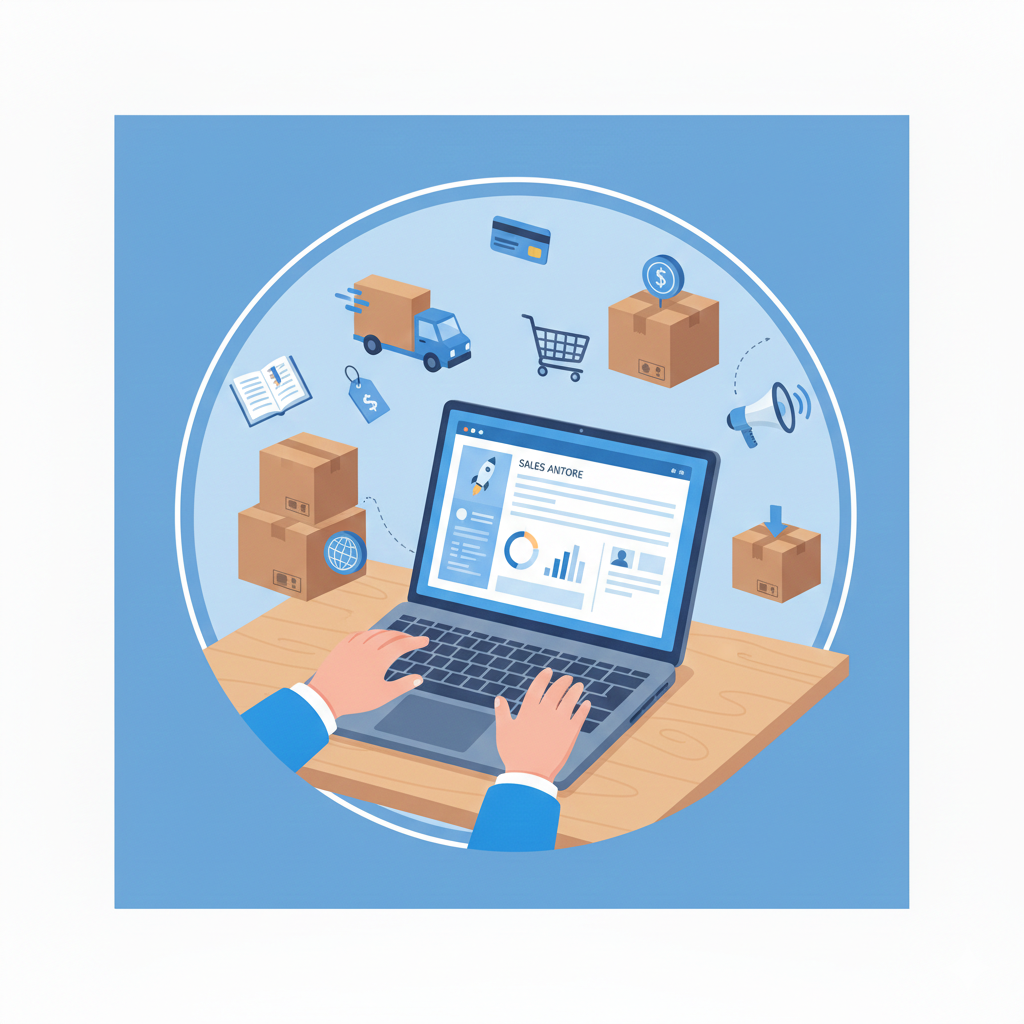
Dropshipping is a business model where you sell products online without keeping any inventory. Instead of buying products in bulk, you only purchase an item from a supplier after a customer places an order. The supplier then ships the product directly to the customer.
This model works well for beginners because it removes the biggest barrier in business, which is inventory cost. I’ve seen people in Nigeria and Europe start this with nothing more than a smartphone, internet connection, and a clear product idea. The key is not the product itself, but how well you market it.
Startup Cost Range
$50 – $100
This usually covers:
- Domain and hosting, or a simple store setup
- Basic marketing or testing ads
- Internet and tools
You don’t need a warehouse or physical shop.
Skills Needed
- Basic online research
- Marketing and product positioning
- Customer communication
- Willingness to learn from testing
You don’t need technical skills to begin. Most of what you’ll use can be learned quickly.
Tools Needed
- Shopify or WooCommerce
- Product sourcing platforms like AliExpress or CJ Dropshipping
- Payment gateways
- Social media or ad platforms
Shopify has a good beginner’s guide that explains how dropshipping works step by step .
Simple Steps to Start
First, choose a product that solves a clear problem. Then set up a simple store and test demand using social media or organic content. Avoid the mistake of adding too many products at once. One or two good products are enough to start.
If you want to understand how affiliate-style selling and product promotion work before spending money on ads, I explain it clearly in my guide on how to make money online. The principles apply directly to dropshipping.
How People Find Customers
Most beginners use:
- TikTok or Instagram content
- Facebook groups
- Paid ads (after testing)
- Influencer collaborations
Organic traffic works well if you stay consistent.
Realistic Earning Expectations
In the beginning, expect slow growth. Many people make their first $100–$300 within the first few months. With proper testing and consistency, it can grow into a stable online business.
3. Freelance Writing

What the Business Is
Freelance writing involves getting paid to write content for businesses, blogs, websites, or brands. This could be blog posts, website pages, product descriptions, or even email content. Many businesses don’t have time to write, so they outsource it.
I’ve personally seen people in Nigeria, Cameroon, and even the UK build steady income streams from writing alone, especially those who focused on clarity and consistency rather than perfect grammar. What matters most is the ability to communicate ideas clearly.
Startup Cost Range
$0 – $50
You can start with:
- A smartphone or a laptop
- Internet access
- Free writing tools
No certifications are required to begin.
Skills Needed
- Basic writing and communication
- Research skills
- Willingness to learn SEO basics
- Ability to meet deadlines
You don’t need to be a professional writer to start. Most clients care more about clarity than complex language.
Tools Needed
- Google Docs for writing
- Grammarly for editing
- Hemingway App for clarity
- Freelance platforms like Upwork or Fiverr
These tools are enough to start earning without any paid software.
Simple Steps to Start
Start by choosing a niche you understand, such as business, health, or technology. Create 1–2 writing samples, even if they are self-written. Then open accounts on freelance platforms and begin applying for small jobs.
Another smart approach is to build authority by publishing articles on your own blog. This is the same strategy I explained in my post on how to make money online, where content becomes your proof of skill.
How People Find Customers
Freelance writers get clients through:
- Upwork and Fiverr
- LinkedIn outreach
- Blog owners looking for contributors
- Referrals from previous clients
Once you deliver good work, repeat clients become your main income source.
Realistic Earning Expectations
Beginners typically earn $10–$30 per article, depending on length and niche. With experience, this can grow to $100+ per article, especially in business or finance niches.
4. Handmade Crafts or Products

What the Business Is
This business involves creating physical products by hand and selling them online or locally. These could be items like handmade jewelry, candles, artwork, custom clothing, home décor, or simple crafts people love to buy as gifts.
What makes this business powerful is that people value uniqueness. I’ve seen small creators in Nigeria and even in parts of Europe turn simple handmade items into steady income streams because buyers prefer personal, handmade products over mass-produced ones.
Startup Cost Range
$30 – $100
This usually covers:
- Basic materials
- Packaging
- Simple branding or labels
You don’t need to produce in bulk at the beginning. Start small and grow based on demand.
Skills Needed
- Creativity or basic crafting skills
- Attention to detail
- Basic pricing and customer service
- Willingness to learn product presentation
You don’t have to be perfect. Many successful sellers started with simple designs and improved over time.
Tools Needed
- Basic crafting tools, depending on the product
- Smartphone for product photos
- Selling platforms like Etsy
- Instagram or Facebook for promotion
If you plan to sell online, Etsy is one of the easiest platforms to start with, especially for handmade products.
Simple Steps to Start
First, decide on one product you can create consistently. Test it with a few samples and get feedback from friends or early buyers. Once you see interest, improve your packaging and presentation.
Many sellers also use social media to showcase their work and tell the story behind each product. This builds trust and increases sales naturally.
If you want to understand how digital visibility helps product-based businesses grow, the ideas shared in my article on small business growth strategies apply very well here.
How People Find Customers
- Instagram and Facebook Marketplace
- Etsy search traffic
- Word-of-mouth referrals
- Local exhibitions or pop-up markets
Consistency and quality matter more than advertising budget.
Realistic Earning Expectations
Most beginners make $100–$300 per month at first. With good branding and repeat buyers, it can grow into a full-time business over time.
5. Social Media Management

What the Business Is
Social media management involves helping businesses handle their social media pages professionally. This includes posting content, replying to messages, growing followers, and sometimes running simple ads. Many small business owners know social media is important, but they simply don’t have the time to manage it properly.
I’ve seen this work especially well with local businesses, coaches, and online brands. A friend of mine in Lagos started managing just two Instagram pages for small brands and turned it into a monthly income without running ads or renting an office.
Startup Cost Range
$0 – $50
You mainly need:
- A smartphone or a laptop
- Internet access
- Free or low-cost tools
No physical inventory or office space is required.
Skills Needed
- Basic understanding of social media platforms
- Good communication
- Creativity for captions and content
- Consistency
You don’t need to be an expert. Many clients just want someone reliable who can post regularly and respond to messages.
Tools Needed
- Canva for designs
- Meta Business Suite for Facebook and Instagram
- Buffer or Hootsuite for scheduling posts
These tools make managing multiple pages easy, even for beginners.
Simple Steps to Start
Begin by choosing one platform, usually Instagram or Facebook. Create sample posts to show what you can do. Then reach out to small businesses, coaches, or online sellers who are active but inconsistent.
You can also build credibility by growing your own page first. This is the same approach I explained in my guide on how to earn extra income while working a 9 to 5, where consistency matters more than perfection.
How People Find Customers
- Direct messages to small business owners
- Referrals
- Facebook and WhatsApp business groups
- LinkedIn outreach
Once you manage a few accounts successfully, clients often refer others to you.
Realistic Earning Expectations
Beginners usually charge $50–$150 per client per month. With 5–10 clients, this becomes a steady income stream.
6. Virtual Assistant Services

What the Business Is
Virtual assistant (VA) services involve helping business owners or entrepreneurs handle daily tasks remotely. This can include email management, scheduling, data entry, customer support, or even basic research. As more businesses move online, the demand for virtual assistants keeps growing.
I’ve worked with business owners who started by outsourcing just one task, and that single decision freed up hours every week. I’ve also seen people in Nigeria and Sierra Leone build a stable income simply by offering reliable support services to clients abroad.
Startup Cost Range
$0 – $50
You only need:
- A laptop or smartphone
- Stable internet connection
- Basic communication tools
No physical setup or inventory required.
Skills Needed
- Organization and time management
- Basic computer knowledge
- Good communication
- Attention to detail
You don’t need advanced technical skills. Many clients prefer reliability over expertise.
Tools Needed
- Google Workspace for emails and documents
- Trello for task management
- Zoom for meetings
- Upwork or Freelancer to find clients
These tools are commonly used by VAs worldwide.
Simple Steps to Start
First, decide what services you want to offer. Then create a simple profile explaining how you can help businesses save time. Start applying for beginner-friendly VA jobs or reach out directly to small business owners.
If you already understand how online businesses work, this becomes easier. I explained how online services grow steadily in my post on how to make money online, which connects well with this idea.
How People Find Customers
- Freelance platforms
- LinkedIn networking
- Referrals
- Facebook business groups
Once you prove reliability, clients often retain you long-term.
Realistic Earning Expectations
Most beginners earn $5–$15 per hour. With experience and specialization, this can grow to $20–$30 per hour or more.
7. Pet Sitting or Dog Walking

What the Business Is
Pet sitting and dog walking involve caring for pets when their owners are busy, traveling, or working long hours. This can include feeding, walking, cleaning, or simply keeping the pet company. In many cities, pet owners are willing to pay well for someone they trust.
I’ve seen this work very well in both urban areas and quiet neighborhoods. A friend in the UK started with just weekend dog walking and slowly turned it into a steady income by building trust with pet owners. The best part is that you don’t need any formal education to begin—just reliability and love for animals.
Startup Cost Range
$0 – $50
Your main costs may include:
- Basic pet supplies
- Transport if needed
- Simple advertising (flyers or online posts)
You don’t need an office or equipment to start.
Skills Needed
- Love for animals
- Responsibility and reliability
- Basic pet care knowledge
- Good communication
Trust is more important than experience in this business.
Tools Needed
- WhatsApp or phone for communication
- Google Maps for navigation
- Simple scheduling tools like Google Calendar
- Optional: Pet care platforms like Rover
Simple Steps to Start
Start by offering services to people in your area. Let friends, neighbors, or colleagues know you’re available. You can also post in local Facebook groups or community boards.
As you gain experience, ask satisfied clients for referrals. Word-of-mouth works extremely well in this business.
How People Find Customers
- Local referrals
- Facebook or neighborhood groups
- Pet owner communities
- Word of mouth
Once people trust you with their pets, they usually become long-term clients.
Realistic Earning Expectations
Beginners can earn $5–$20 per walk or visit, depending on location. With multiple clients per day, this can become a steady side income.
8. Affiliate Marketing

What the Business Is
Affiliate marketing is a business model where you earn a commission by promoting other people’s products or services. You don’t create the product, handle delivery, or deal with customer support. Your role is simply to connect the right product with the right audience.
This is one of the most powerful low-capital businesses I’ve seen work repeatedly, especially for people who are patient and willing to learn. I’ve personally studied how successful affiliates build trust through content rather than aggressive selling, and that’s what separates long-term earners from those who quit early.
Startup Cost Range
$0 – $100
You can start with:
- A smartphone or a laptop
- Internet connection
- A free blog or social media page
Optional costs include domain hosting or basic tools if you want to scale faster.
Skills Needed
- Content creation (writing or video)
- Basic understanding of marketing
- Patience and consistency
- Ability to explain solutions clearly
You don’t need to be technical. What matters is learning how to recommend products genuinely.
Tools Needed
- Blogging platforms like WordPress
- Affiliate networks such as Amazon Associates or ClickBank
- Keyword research tools like Ubersuggest
These tools help you find what people are searching for and match them with the right offers.
Simple Steps to Start
First, choose a niche you understand or are willing to learn. Then create helpful content around that topic. Over time, you introduce affiliate products that genuinely solve problems.
This is exactly the approach I explain in depth inside my Advanced Affiliate Marketing guide, which breaks down how to choose products, drive traffic, and earn consistently without spamming links.
How People Find Customers
- Blog content
- Search engine traffic
- Social media posts
- Email newsletters
The more helpful your content, the more trust you build, and trust is what converts readers into buyers.
Realistic Earning Expectations
Affiliate marketing is not instant money. Most beginners earn little in the first few months. However, with consistent content, it can evolve into a passive income stream ranging from a few hundred to several thousand dollars per month.
9. Lawn Care and Gardening Services

What the Business Is
Lawn care and gardening services involve maintaining outdoor spaces for homes, offices, and small businesses. This includes grass cutting, trimming, weeding, watering plants, and basic garden cleanup. It’s a simple business, but one that stays in demand, especially in residential areas.
I’ve seen this work very well for people who prefer physical work over online tasks. In many communities, property owners are busy and willing to pay someone reliable to keep their surroundings clean and attractive. In fact, some of the most consistent earners I’ve met started with nothing more than basic tools and built a loyal customer base over time.
Startup Cost Range
$50 – $100
Your initial expenses may include:
- Basic gardening tools
- Fuel or transport
- Gloves and safety items
You can start small and upgrade as you get more clients.
Skills Needed
- Basic lawn care knowledge
- Physical strength and consistency
- Time management
- Customer reliability
No formal training is required. Most skills are learned on the job.
Tools Needed
- Lawn mower or trimmer
- Rake and shovel
- Water hose
- Simple protective gear
For learning proper lawn care techniques, this guide from LawnStarter is helpful
Simple Steps to Start
Start by offering your service within your neighborhood. Create simple flyers or post in community WhatsApp or Facebook groups. Offer competitive pricing at the beginning to attract your first customers.
Once people see good results, referrals come naturally. Many small lawn care businesses grow purely through word of mouth.
How People Find Customers
- Local referrals
- Neighborhood groups
- Word of mouth
- Small business listings
Consistency and reliability matter more than fancy branding.
Realistic Earning Expectations
Depending on location, beginners can earn $100–$400 per month, and more as client numbers increase. Some turn this into a full-time business over time.
10. Blogging or Vlogging

What the Business Is
Blogging or vlogging is about creating valuable content around a topic you understand and building an audience over time. Blogging focuses on written content, while vlogging focuses on video platforms like YouTube or TikTok. Both can become strong income streams when done consistently.
This is one of the businesses I personally respect the most because it builds long-term value. I’ve seen creators start with nothing but a phone and an idea, then grow into full brands. The key difference between those who succeed and those who quit is patience and consistency.
Startup Cost Range
$0 – $100
You can start with:
- A free blog or YouTube channel
- A smartphone or a laptop
- Internet connection
If you want more control and growth potential, you can later invest in hosting and a domain.
Skills Needed
- Writing or speaking clearly
- Research skills
- Basic SEO or content planning
- Consistency
You don’t need to be an expert. You only need to be one step ahead of your audience.
Tools Needed
- WordPress for blogging
- YouTube for video content
- Canva for thumbnails and visuals
- Google Search Console for tracking performance
These tools help you grow and understand what content works.
Simple Steps to Start
Choose a niche you can talk about consistently. Start creating helpful content and focus on solving problems. Over time, you can monetize through ads, affiliate marketing, or digital products.
This is the same approach I follow on my blog, and it connects directly with what I explained in my post on how to make money online, where content becomes a long-term asset.
How People Find Customers
- Google search traffic
- Social media
- YouTube recommendations
- Email newsletters
The more value you provide, the more people return.
Realistic Earning Expectations
Blogging and vlogging take time. Most people earn little in the first few months, but with consistency, income can grow to hundreds or even thousands of dollars monthly over time.
11. Home Cleaning Services
What the Business Is
Home cleaning services involve offering professional cleaning for houses, offices, short-term rentals, and commercial spaces. This is one of those businesses that never runs out of demand because people will always need clean environments, especially working professionals and families with busy schedules.
What makes this business powerful is how quickly it can start generating income. I have seen people begin with just basic tools, land one client, and then grow through referrals alone.
Startup Cost Range
$50 – $100
Your main costs usually include:
- Cleaning supplies
- Basic equipment
- Transportation
- Simple branding, like flyers or WhatsApp marketing
You don’t need an office or staff at the beginning.
Skills Needed
- Attention to detail
- Time management
- Reliability and trustworthiness
- Basic communication
This business is less about skill and more about consistency and professionalism.
Tools Needed
- Cleaning supplies (mops, detergents, gloves)
- WhatsApp Business for client communication
- Google Business Profile to appear in local searches
Setting up a Google Business profile alone can help people near you find your service easily.
Simple Steps to Start
Start by offering your service in your local area. Let friends, neighbors, and contacts know what you do. Create simple flyers or social posts. Over time, ask satisfied clients for referrals.
This method aligns closely with what I explained in my post on small business growth strategies, where consistency and visibility matter more than capital.
How People Find Customers
- Word of mouth
- Facebook and WhatsApp groups
- Google local search
- Referrals from satisfied clients
Most cleaning businesses grow without paid ads.
Realistic Earning Expectations
Depending on location, cleaners can earn $10–$30 per job, and with multiple clients per week, this can grow into a stable monthly income. Once demand increases, you can expand by hiring others.
12. Online Courses or Ebooks

What the Business Is
This business is about packaging your knowledge, experience, or skills into a digital product people can learn from. It could be a short ebook, a step-by-step guide, or a full online course. What makes this model powerful is that you create it once and sell repeatedly without extra cost.
From experience, this works best when the topic solves a real problem people are already searching for. That is why niches like business, finance, skills development, and online income perform very well.
Startup Cost Range
$0 – $100
You can start with:
- Free writing tools like Google Docs
- Free design tools such as Canva
- Affordable hosting platforms like Selar or Gumroad
No physical inventory is needed.
Skills Needed
- Clear communication
- Basic writing or teaching ability
- Understanding of a specific topic
- Simple marketing skills
You do not need to be an expert; you just need to be a step ahead of your audience.
Tools Needed
- Canva for ebook design
- Selar for selling digital products, Google Docs for content creation
- Paystack or Stripe for payments
If you want to see how digital products fit into a long-term income strategy, I explained it further in this post on how to make money online.
Simple Steps to Start
First, identify a problem people ask about often. Then, create a simple guide solving that problem step by step. Design it cleanly, upload it to a platform like Selar, and start sharing it through social media or your blog.
This is exactly the model used in my Advanced Affiliate Marketing ebook, which breaks down how beginners can earn online using proven systems. You can check it here if you want a practical example of how digital products work in real life.
How People Find Customers
- Blog traffic from Google
- Social media content
- Email lists
- Referrals from readers
This works even better when combined with content marketing, which I explained in detail in my post on earning extra income while working a 9-to-5.
Realistic Earning Expectations
Earnings vary based on traffic and pricing. Some creators earn $50 monthly, others make hundreds or more once their content ranks or gets shared consistently. The key advantage is scalability; your income grows without increasing workload.
Tips for Success in Low-Cost Businesses

Starting with little capital is not the hard part. What usually determines success is how consistent and strategic you are after you begin. From experience and from observing people who actually make progress, these are the habits that make the biggest difference.
Focus on One Idea First
Trying to run multiple small businesses at once usually leads to burnout. Pick one idea, commit to it, and learn how it works before adding anything else. Growth comes faster when your attention is not divided.
Learn as You Build
You do not need to know everything before starting. Most successful people learn while doing. When I started exploring online income models, I realized that action teaches faster than overthinking. That is why practical guides like this one on small business growth strategies matter more than theory.
Use Free Tools Before Paying
Many beginners waste money on tools they do not need yet. Start with free platforms, test your idea, then upgrade only when revenue starts coming in. Tools like Canva, Google Docs, and social platforms are enough at the beginning.
Build Visibility Early
Whether it is blogging, social media, or word of mouth, people must know what you do. Even a simple blog or social page can bring consistent leads over time. This is why I always advise combining business ideas with content creation, as explained in this guide on earning extra income alongside your main work.
Be Patient With Growth
Low-capital businesses rarely explode overnight. What they offer instead is steady, sustainable growth. The ones who succeed are usually those who stayed consistent while others quit.
Conclusion: Start Small, Build Smart
Starting a business with $100 is not about luck or shortcuts. It is about choosing the right idea, taking action, and improving as you go. Every business listed here has been tested by real people and proven to work when done correctly.
The goal is not to be perfect but to start. Once you take that first step, clarity follows. If you want to build something sustainable, grow your income, and create more financial freedom, this is the right place to begin.
And if you want a proven roadmap that explains how people turn simple online ideas into steady income, you can explore my Advanced Affiliate Marketing guide.
It breaks everything down step by step and shows how to move from zero to consistent results.
Whenever you are ready, tell me the next section you want to refine or optimize.
FAQs: Low-Capital Businesses and Getting Started the Right Way
Can I really start a business with just $100?
Yes, and this is more common than people think. Many service-based and digital businesses require more effort than money. What matters most is choosing a model that does not rely on inventory or heavy tools at the beginning. Freelancing, content creation, affiliate marketing, and digital services are good examples. I have seen people start with less than $100 and grow steadily simply by reinvesting profits instead of borrowing or rushing expansion.
How long does it take to start making money?
This depends on the type of business and your consistency. Some ideas, like freelancing or local services, can bring income within weeks. Others, such as blogging or affiliate marketing, take longer but build long-term value. If you want a realistic breakdown of how income grows over time, this guide on earning extra income while working a 9–5 explains what to expect at each stage.
Do I need to register a business before starting?
Not always. In many countries, you can start small and register later once income becomes consistent. However, it is important to check local regulations. For clarity on business registration and compliance, resources like the U.S. Small Business Administration or your country’s official business portal are good references.
What is the safest low-capital business to start with?
Service-based businesses are usually the safest because they require little to no upfront cost. Examples include freelancing, social media management, consulting, or digital services. These businesses rely more on skill than capital and allow you to scale gradually without financial pressure.
Can I run a low-capital business while working full-time?
Yes, and many people do. The key is choosing something flexible and time-friendly. Online businesses and remote services work well because you can operate them outside work hours. I explained practical ways to manage this balance in this post on Small business growth strategies.
What if I want to make money online instead of offline?
Online businesses are often the best option when capital is limited. Blogging, affiliate marketing, digital products, and content creation are all scalable models. If you want a clear overview of online income options, this guide on how to make money online breaks them down in detail.