


Introduction

Starting a business without a clear plan is one of the fastest ways to fail, and I’ve seen this happen more times than I can count. A business plan for startups is not just a document investors ask for, it is the foundation that guides every decision you will make as a founder. Whether you are launching an online business, a service-based brand, or a small physical venture, having a solid plan helps you stay focused, manage resources wisely, and grow with direction instead of guesswork.
Many entrepreneurs jump straight into execution without understanding how to write a business plan or what should even be inside one. The result is confusion, poor financial planning, and slow growth. This is why I always emphasize planning first before spending money or time. In fact, this approach aligns closely with what I explained in this guide on how to make money online, where clarity and structure play a major role in long-term success.
This startup business plan guide is designed to walk you through everything step by step, from understanding what a business plan really is to structuring it correctly and avoiding the mistakes that cause most startups to fail. Whether you are just getting started or refining an existing idea, this guide will help you create a plan that actually works in the real world.
By the end of this article, you will clearly understand how to write a business plan, what components matter most, and how to position your startup for growth and funding.
What Is a Business Plan, and Why Does It Matter?

A business plan is a written document that explains what your business is, what it aims to achieve, and how it plans to get there. It outlines your goals, strategies, market position, financial projections, and the steps you will take to grow. Simply put, it is the blueprint for your business.
For anyone building a startup, a business plan is not optional. It gives structure to your ideas and turns them into something actionable. Without it, many entrepreneurs end up making decisions based on emotions or assumptions instead of data and strategy. That is one of the main reasons startups struggle in their early stages.
Why Every Startup Needs a Business Plan
A solid business plan acts as a roadmap. It helps you understand where you are going and how to get there. When challenges arise, which they always do, your plan enables you to stay focused instead of reacting blindly.
It also plays a major role in funding. Investors, banks, and even grant providers want to see that you understand your market, your numbers, and your growth potential. A well-structured business plan shows that you are serious, prepared, and capable of managing risk.
Another overlooked benefit is clarity. Writing a business plan forces you to think deeply about your audience, pricing, competitors, and long-term goals. This process alone often reveals weaknesses or opportunities you would have otherwise missed. I covered a similar principle when explaining how structured planning improves business growth in this article on small business growth strategies
Who Uses a Business Plan
A business plan is not only for investors. Founders use it to stay focused and measure progress. Banks rely on it to assess risk before giving loans. Potential partners use it to understand your vision and how they fit into it. Even solo entrepreneurs benefit because it helps them make better financial and strategic decisions.
If you are serious about building something sustainable, a business plan becomes your reference point for every major move you make.
Key Components of a Winning Business Plan
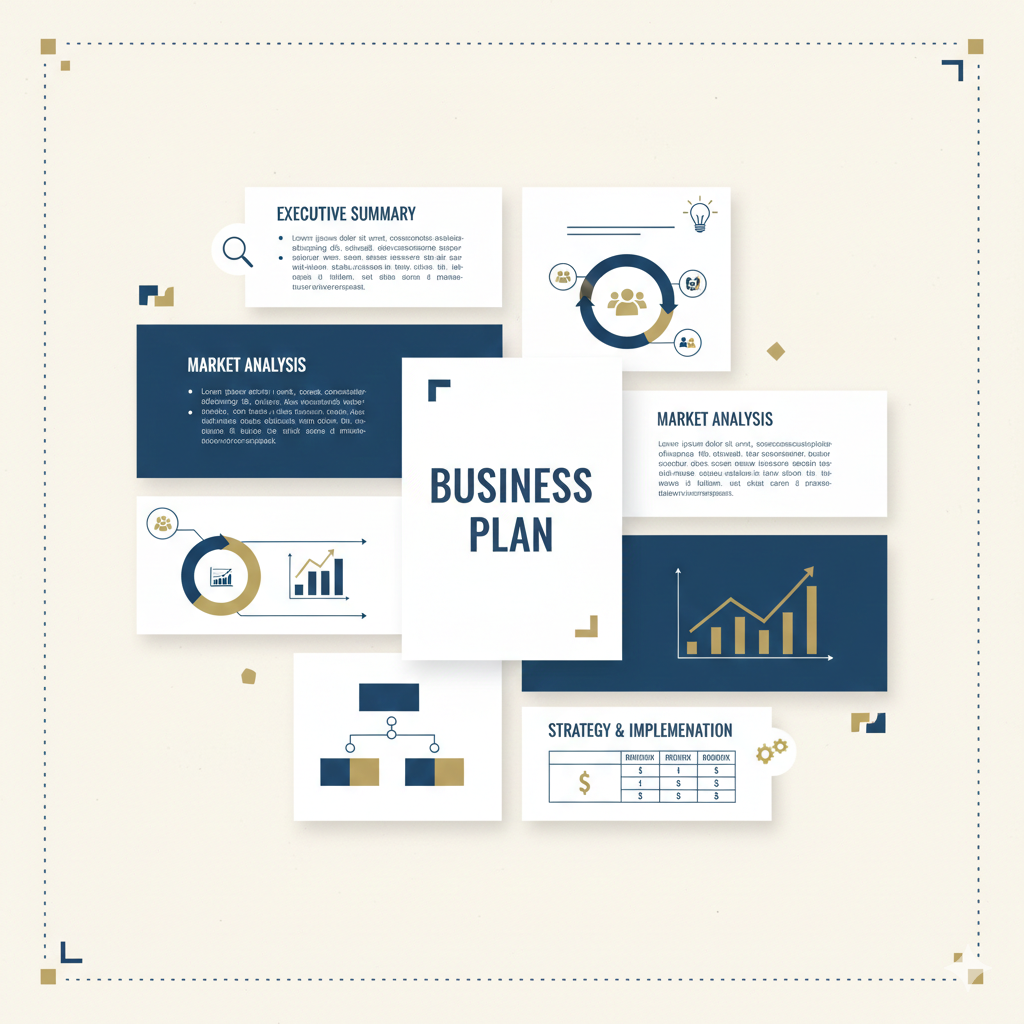
A strong business plan follows a clear structure. Each section plays a role in explaining how your business works, how it will grow, and why it is worth investing in. When these parts are done properly, your business plan becomes more than a document; it becomes a working tool you can rely on as your business evolves.
Executive Summary
The executive summary is a snapshot of your entire business plan. It highlights what your business does, who it serves, and what you want to achieve. Even though it appears first, it is often written last because it summarizes everything else.
This section should clearly explain:
- What your business offers
- Your mission and long-term vision
- Your growth goals
- A brief financial overview
Investors usually read this section first, so clarity is critical. If the executive summary does not make sense, many will not read further. The U.S. Small Business Administration explains this well in their guide on business planning, which breaks down what investors expect to see in a strong summary.
Company Description
This part explains who you are as a business. It describes your business model, the problem you solve, and what makes you different from others in the market.
Here, you should clearly state:
- Your business structure
- Your target audience
- The value you provide
- What makes your business unique
If you are still refining your business idea, reviewing how other small businesses position themselves can help. I touched on this in my breakdown of how small businesses grow sustainably, which connects well with defining your business identity.
Market Analysis
This is where many business plans become weak, yet it is one of the most important sections. Market analysis shows that you understand your industry, your customers, and your competition.
You should cover:
- Industry trends
- Target market behavior
- Competitor strengths and weaknesses
- Market size and demand
Reliable data strengthens this section. Platforms like Statista and IBISWorld are commonly used to validate market trends and industry data, while Google Trends helps you understand search demand and interest levels over time:
A strong market analysis proves that your idea is not based on guesswork but on real demand.
Organization and Management
This section explains how your business is structured and who is responsible for what. Even if you are running the business alone, this part still matters.
Include:
- Business ownership structure
- Key roles and responsibilities
- Management experience or skills
For solo founders, this section shows how you plan to manage operations, marketing, and finances efficiently. It also builds confidence for potential investors or partners reviewing your plan.
Products or Services
Here, you explain what you are selling and why people should care. Focus on the value, not just the features.
Cover:
- What your product or service does
- The problem it solves
- How it benefits customers
- What makes it different from competitors
If your business involves digital products or services, this is also where you can mention how you plan to deliver value online. For example, if you are monetizing through digital products, affiliate offers, or content-based income, I explained this clearly in my guide on making money online.
Marketing and Sales Strategy
This section explains how customers will find you and why they will choose you.
You should outline:
- Your marketing channels (SEO, social media, email, ads)
- Pricing strategy
- Sales process
- Customer retention methods
For many startups today, online visibility plays a huge role. Understanding content marketing, SEO, and audience trust is essential. This is why learning how to attract traffic and convert it matters just as much as the product itself.
Funding Request (If Applicable)
If you are seeking funding, this section should be very clear. State:
- How much funding do you need
- What the money will be used for
- How will it help grow the business
Investors want to see realistic numbers and a clear plan for how their money creates value.
Financial Projections
This is where your business plan becomes measurable. Financial projections help you understand whether your business idea is viable.
Include:
- Estimated startup costs
- Monthly operating expenses
- Revenue projections
- Break-even analysis
If you are new to financial planning, tools like LivePlan or simple spreadsheet models can help you structure this section properly. Investors often focus heavily on this part because it shows whether your business can sustain itself long-term.
Step-by-Step Guide to Creating a Winning Business Plan
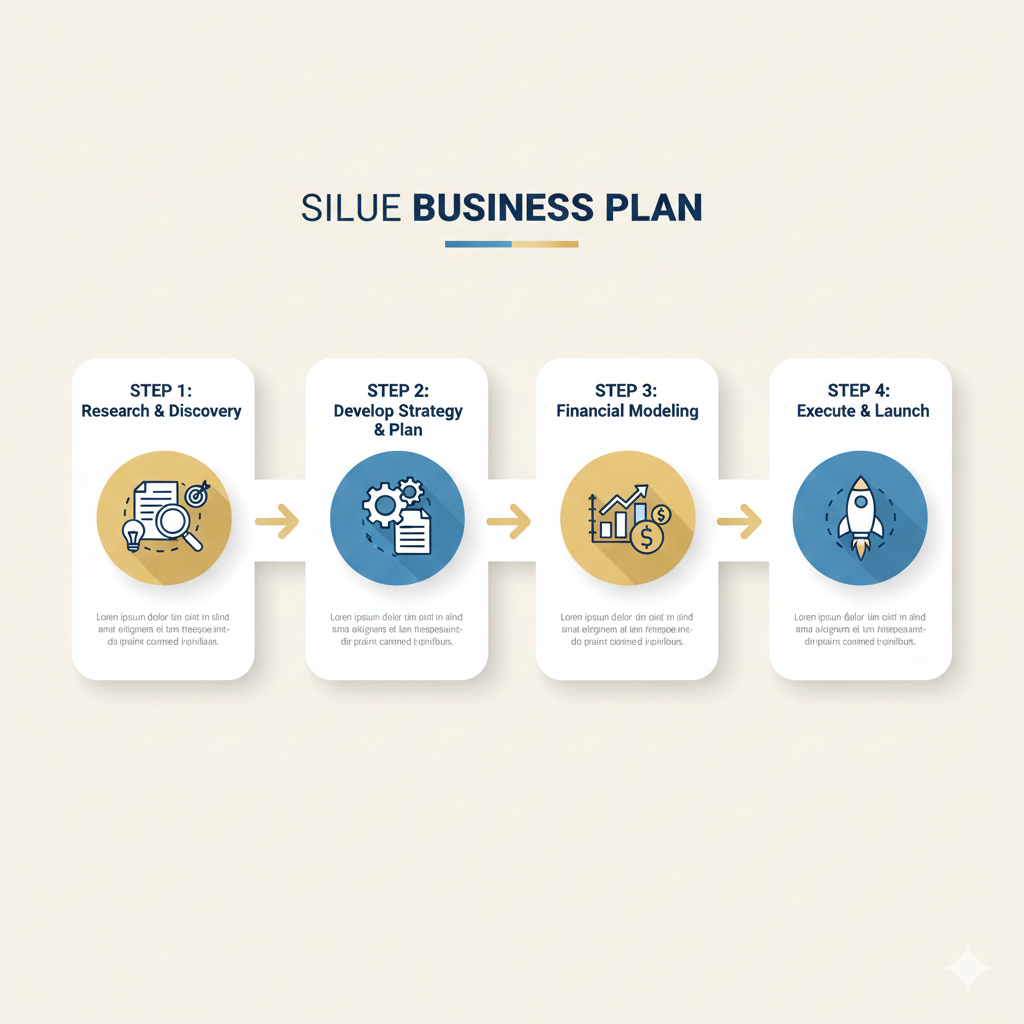
This section is where everything starts to come together. A strong business plan is not written randomly. It follows a clear process that helps you think through your idea, test it, and organize it into something that can actually work in the real world.
Step 1: Conduct Market Research

Before writing a single page of your business plan, you need to understand the market you are entering. Market research helps you avoid building something people do not need.
Start by identifying:
- Who your ideal customer is
- What problem are they trying to solve
- How they currently solve it
- What competitors are already offering
You can use tools like Google Trends to check demand over time.
You can also explore competitor data using platforms like Statista or IBISWorld, which provide industry insights and market trends.
Market research is also where you validate your idea. If people are already paying for similar solutions, it is a strong sign that your idea can work. I explained this validation process in more detail in my guide on building sustainable business ideas, which connects well with this stage of planning.
Step 2: Define Clear Business Goals

Once you understand your market, the next step is setting clear and realistic goals. A business plan without goals is just a document, not a strategy.
Your goals should be:
- Specific
- Measurable
- Achievable
- Relevant
- Time-based
For example, instead of saying “I want to grow my business,” a stronger goal would be “I want to reach 1,000 monthly customers within the first year.”
Your goals should also align with your long-term vision. This makes it easier to make decisions later, especially when opportunities or challenges arise.
Step 3: Choose the Right Business Structure
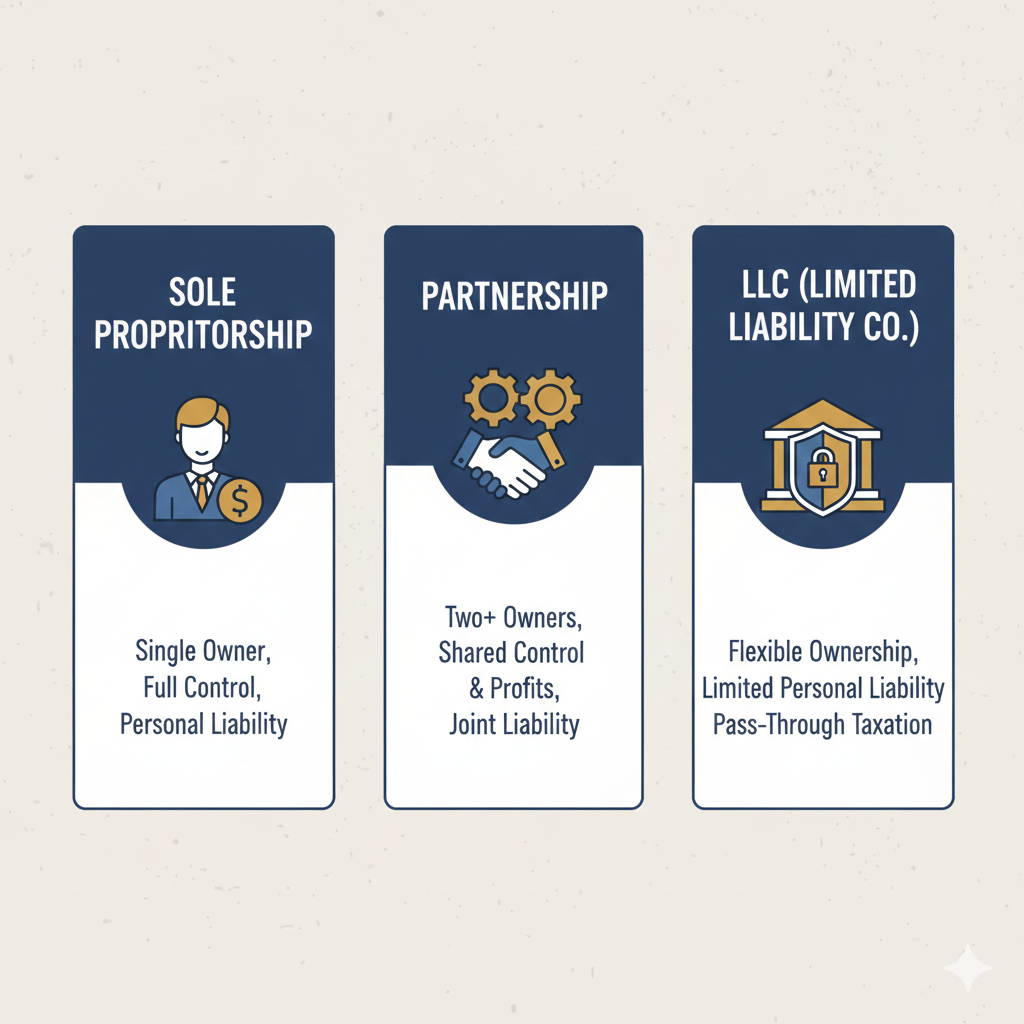
Your business structure affects your taxes, legal responsibilities, and how you operate.
Common structures include:
- Sole proprietorship
- Partnership
- Limited Liability Company (LLC)
- Corporation
Each structure has its pros and cons depending on your country and business goals. Many startups begin as sole proprietors because it is simple, then transition to an LLC as they grow.
If you are unsure which structure fits your situation, this official guide from the U.S. Small Business Administration explains the differences clearly.
Step 4: Build a Strong Financial Plan

This is one of the most important parts of a business plan, especially if you want funding or long-term stability.
Your financial plan should include:
- Startup costs
- Monthly operating expenses
- Expected revenue
- Break-even point
- Funding sources
Even if you are starting small, knowing your numbers helps you avoid surprises. Many new entrepreneurs fail not because their idea is bad, but because they underestimate costs or overestimate income.
If you are planning to monetize online through content, services, or affiliate marketing, understanding income flow is critical. I shared practical examples of this in my breakdown of online income models.
Step 5: Write and Structure the Business Plan

Now that you have all the information, it is time to put everything together.
Your business plan should:
- Be clear and easy to read
- Use simple language
- Follow a logical structure
- Avoid unnecessary jargon
- Include headings and short paragraphs
You can use tools like Google Docs or Notion to organize your draft before finalizing it. If you plan to present your business plan to investors or partners, visual clarity matters just as much as content.
A well-written business plan is not about sounding impressive. It is about communicating your idea in a way that others can understand and trust.
Tips for Writing a Strong Business Plan
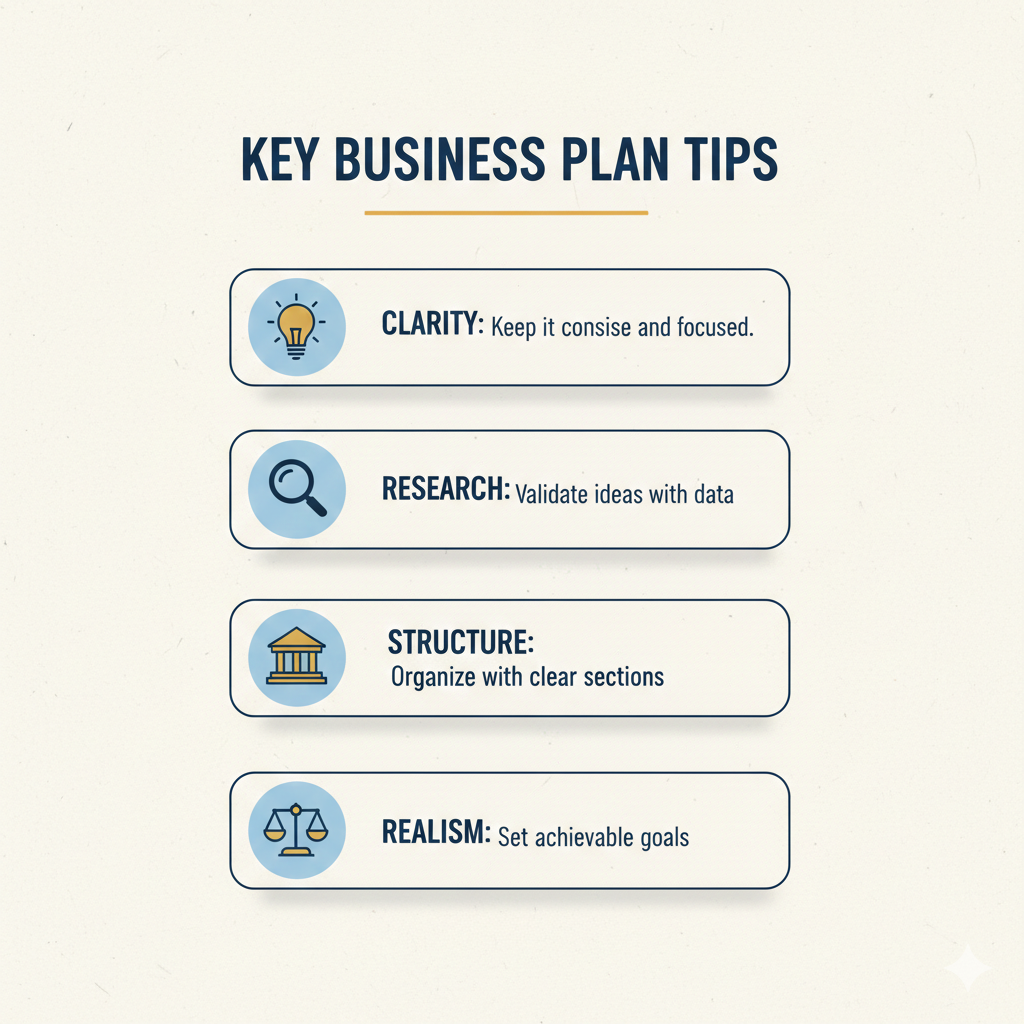
A business plan becomes powerful when it is clear, realistic, and easy to understand. Many people overcomplicate this part, but in reality, simplicity wins.
One of the most important tips is to write with clarity, not complexity. Your business plan should be understandable even to someone who is not in your industry. If an investor or partner has to reread a section to understand it, that section needs improvement.
Another key factor is using real data instead of assumptions. Market size, pricing, and growth projections should be backed by research. Platforms like Statista and Google Trends help validate your ideas with real numbers rather than guesses.
Consistency also matters. Your financial projections should align with your business goals, and your marketing strategy should match your target audience. When these parts do not connect, your plan feels weak.
It also helps to write for your audience. A plan written for a bank loan will look different from one written for personal guidance or investors. Tailoring your plan improves its effectiveness.
Finally, treat your business plan as a living document. As your business grows, your strategy, costs, and goals will change. Updating your plan regularly keeps you focused and prepared.
Common Business Plan Mistakes to Avoid
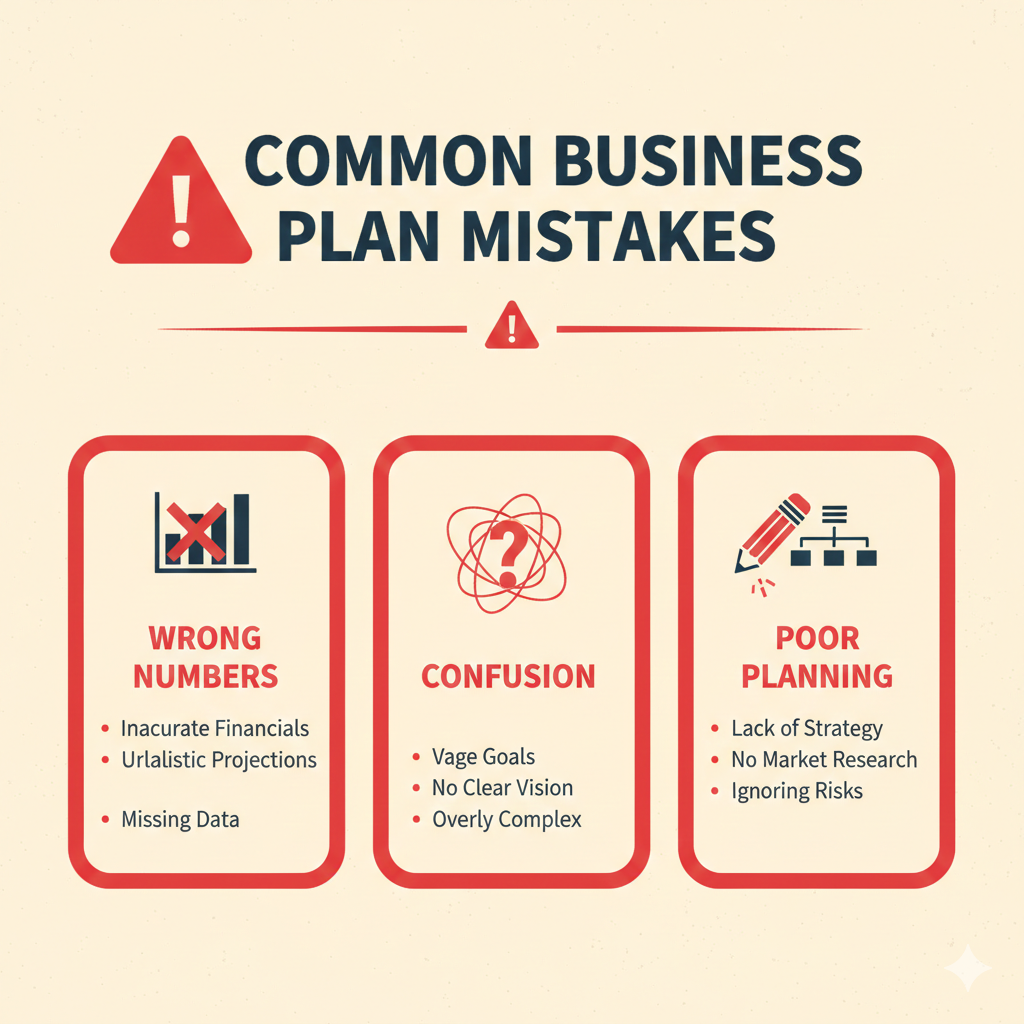
Many startups fail not because their ideas are bad, but because their planning is weak. Avoiding common mistakes can save you time, money, and frustration.
One of the biggest mistakes is overestimating revenue. New entrepreneurs often assume fast growth, but in reality, growth takes time. Conservative projections build more credibility.
Another common error is ignoring competitors. Every market has competition, even if indirect. Understanding who you are competing with helps you position your business better.
Some people also skip proper market research. Without understanding your audience, your product or service may not solve a real problem. This often leads to low sales and quick burnout.
Poor financial planning is another issue. Many startups fail because they run out of cash, not because the idea was bad. Knowing your expenses and break-even point is essential.
Lastly, many founders write a business plan once and never revisit it. A good plan evolves as your business grows and market conditions change.
Frequently Asked Questions (FAQs)
What is the best format for a startup business plan?
There is no single perfect format, but the best business plans follow a clear structure that includes an executive summary, market analysis, financials, and growth strategy. Simplicity and clarity matter more than length.
How long should a business plan be?
For most startups, 10 to 20 pages is enough. The goal is to communicate your idea clearly, not to overwhelm the reader.
Can I create a business plan without money?
Yes. Many successful entrepreneurs start with just research, planning, and free tools like Google Docs. A strong plan does not require capital, only clarity and effort.
Do I need a business plan to get funding?
Yes. Investors and lenders want to see how you plan to make money, manage risk, and grow. A well-written business plan increases your chances significantly.
How often should a business plan be updated?
You should review your business plan every 6 to 12 months or whenever your business direction changes.
Conclusion
Creating a business plan is one of the most important steps in building a successful startup. It gives you direction, helps you avoid costly mistakes, and positions your business for long-term growth.
A strong business plan for startups does not need to be complicated. It only needs to be clear, realistic, and based on real market insights. When done correctly, it becomes a roadmap that guides your decisions and keeps your business focused.
If you are serious about building something sustainable, start writing your business plan today. The clarity you gain from the process alone can set you apart from most people who never take this step.