

Introduction
Running an e-commerce business today is easier than ever, yet succeeding in it has become more competitive than most people expect. Every day, thousands of online stores launch with high hopes, but only a small percentage survive beyond the first few years. From what I have seen working with small business owners and studying online business growth closely, the difference often comes down to one thing: having the right ecommerce business tips and applying them consistently.
A successful e-commerce business is not built on luck or trends alone. It is built on a clear strategy, smart execution, and a deep understanding of how online customers think and buy. Many store owners fail because they rush into selling without planning, choosing the right platform, or understanding how marketing, branding, and customer experience work together. That is why learning how to start an e-commerce business the right way is just as important as launching it.
In this guide, I will walk you through 10 essential tips for building a successful e-commerce business, based on proven e-commerce business strategies that actually work in today’s market. You will learn how to attract the right customers, build trust, improve conversions, and grow your online store sustainably.
If you are serious about long-term growth, this guide will also connect naturally with what I explained in this article on building a solid marketing foundation for small businesses, which shows how marketing strategy supports overall business success. By the end of this guide, you will have a clearer direction, practical insights, and the confidence to move your e-commerce business forward with purpose.
Tip 1: Understand Your Target Audience

One of the biggest mistakes I see in e-commerce is building a store before understanding who the store is actually for. Many business owners focus on products first and customers later, and that usually leads to poor sales, wasted ad spend, and frustration.
If you want a successful e-commerce business, your first priority should be understanding your target audience. This means knowing who they are, what problems they have, and why they would choose your product over someone else’s.
Your target audience is not “everyone.” It is a specific group of people with shared needs, behaviors, and buying habits. When you clearly define this group, your marketing becomes easier, cheaper, and more effective.
A good place to start is by looking at:
- Age range and location
- Income level and buying power
- Interests and online behavior
- Problems they are actively trying to solve
For example, an online store selling fitness gear to busy professionals will market very differently from one selling handmade accessories to students. This is why customer clarity directly affects e-commerce growth.
If you haven’t built a website yet, you can still understand your audience using the platforms you already have access to. Social media platforms like Facebook, Instagram, and TikTok provide built-in insights that show you who is engaging with your content, their age range, location, interests, and the type of posts they respond to most.
You can also learn a lot by observing comments, direct messages, and the kind of questions people frequently ask about your products or services. These interactions reveal real customer pain points and buying intent.
Once your website is live, tools like Google Analytics can then help you track where visitors come from, what pages they view, and how long they stay. This data allows you to refine your marketing strategy and improve conversions over time.
Creating a simple buyer persona can make a huge difference. When you know who you’re talking to, your product descriptions, ads, and content feel more personal and convincing. This approach aligns closely with what I explained in my guide on building a strong marketing foundation for small businesses, where understanding your audience is the first step to sustainable growth
Once your audience is clear, every other decision from website design to marketing strategy becomes easier and more profitable.
Tip 2: Choose the Right E-commerce Platform
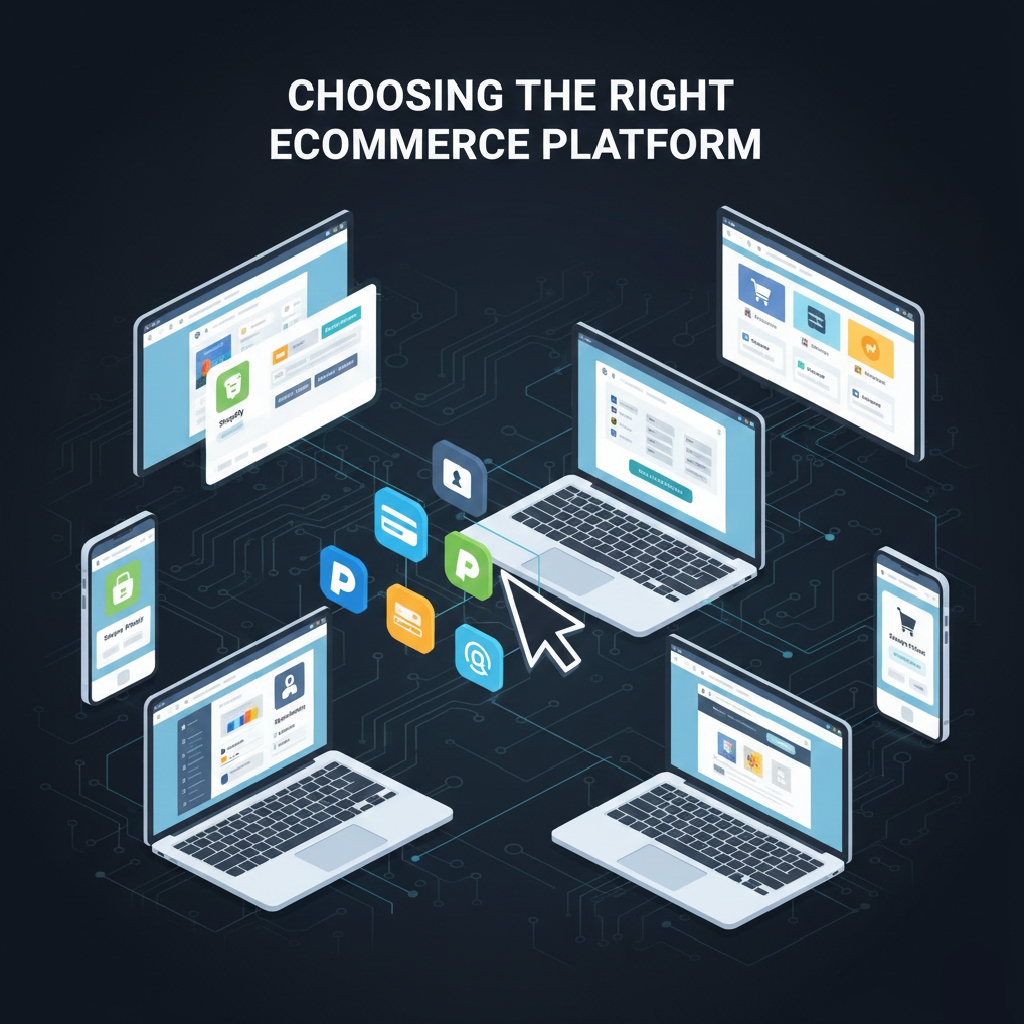
Choosing the right platform is one of the most important decisions you will make when starting an e-commerce business. Your platform affects everything about how your store looks, how fast it loads, how customers check out, and how easily you can scale in the future.
Many beginners rush this step and later struggle with limitations, high costs, or poor performance. A smart e-commerce business strategy begins with selecting a platform that aligns with your goals, technical skill level, and budget.
For beginners who want simplicity and speed, platforms like Shopify are popular because they handle hosting, security, and updates automatically. If you prefer flexibility and full control, WooCommerce is a strong option, especially if you already run a WordPress site. I often recommend WooCommerce to entrepreneurs who want long-term control, as it integrates well with content marketing and SEO, which I explain in my guide on building a strong business foundation for growth at WisdomSamuel.com.
When choosing a platform, consider:
- Ease of use and setup
- Payment gateway support
- Mobile responsiveness
- Scalability as your store grows
- Total cost, including plugins and hosting
A common mistake I see is choosing a platform based only on price. A cheaper option that limits customization or slows your site can cost more in lost sales over time. Page speed alone can affect conversions significantly, which is why platforms that support optimization and analytics tools like Google Analytics are worth prioritizing.
Your e-commerce platform is not just a website builder. It is the engine of your online business. Making the right choice here sets the foundation for strong marketing, better customer experience, and long-term profitability.
Tip 3: Build a User-Friendly Website
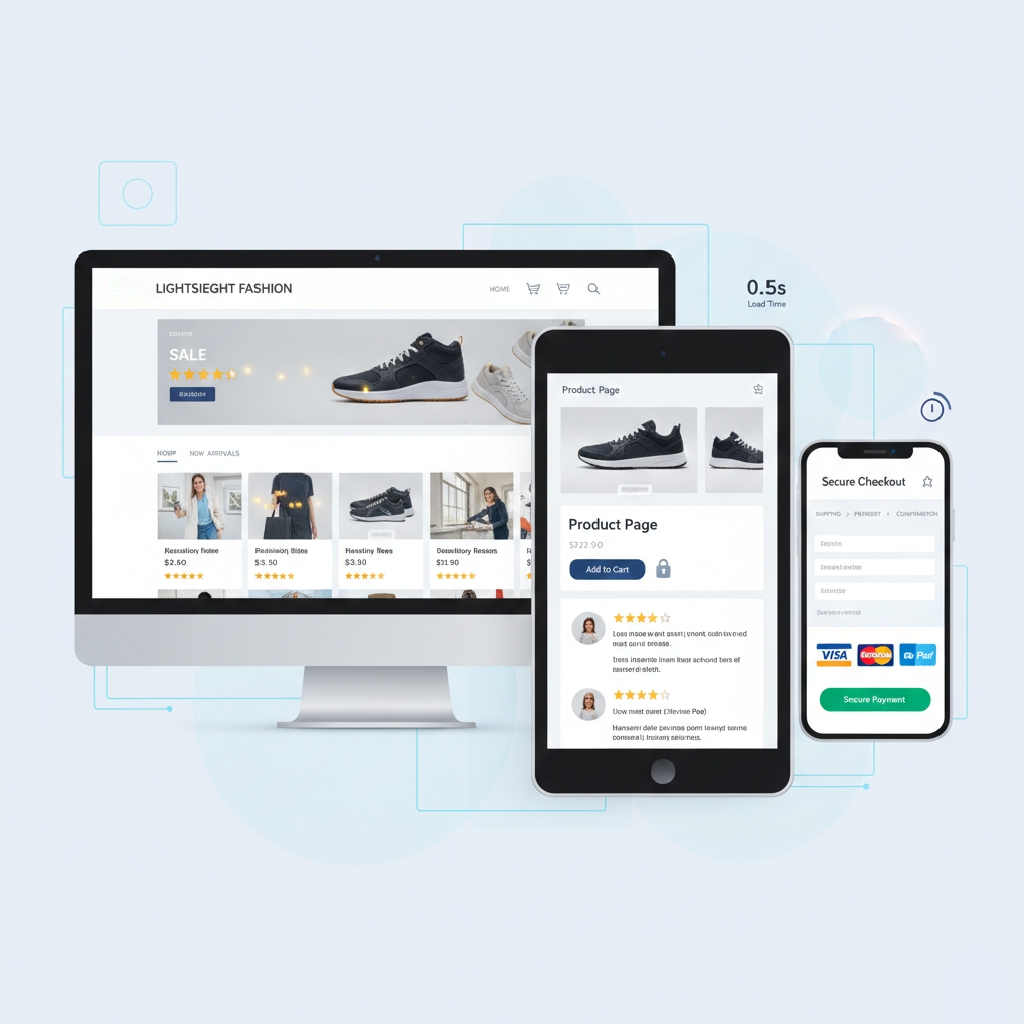
A beautiful product means nothing if visitors struggle to use your website. One of the biggest reasons e-commerce stores fail is poor user experience. When a site is slow, confusing, or hard to navigate, people leave, and they rarely come back.
A user-friendly e-commerce website focuses on simplicity, clarity, and speed. Visitors should immediately understand what you sell, who it’s for, and how to buy. If they have to think too much, you’ve already lost the sale.
Start with clean navigation. Categories should be clear, and product pagesshould be easy to find. Your homepage should guide visitors naturally toward products or collections without overwhelming them. This is where many beginners make mistakes by adding too many elements at once.
Website speed is another major factor. Studies consistently show that even a one-second delay in page load time can reduce conversions significantly. Tools like Google PageSpeed Insights help you identify what is slowing your site down and how to fix it.
Mobile optimization is also non-negotiable. Most e-commerce traffic now comes from mobile devices, so your site must look good and function properly on phones and tablets. Platforms like Shopify and WooCommerce support responsive design, but you still need to test how your pages appear on different screen sizes.
Trust is another key element. Features like SSL certificates, clear return policies, visible contact details, and customer reviews all help reassure buyers. A well-structured website builds confidence, and confidence leads to sales.
This is closely connected to what I explained in my guide on building a strong small business marketing foundation, where user experience plays a major role in customer retention and growth. When visitors enjoy using your site, they are far more likely to return and recommend your brand to others.
Tip 4: Implement Strong Digital Marketing Strategies
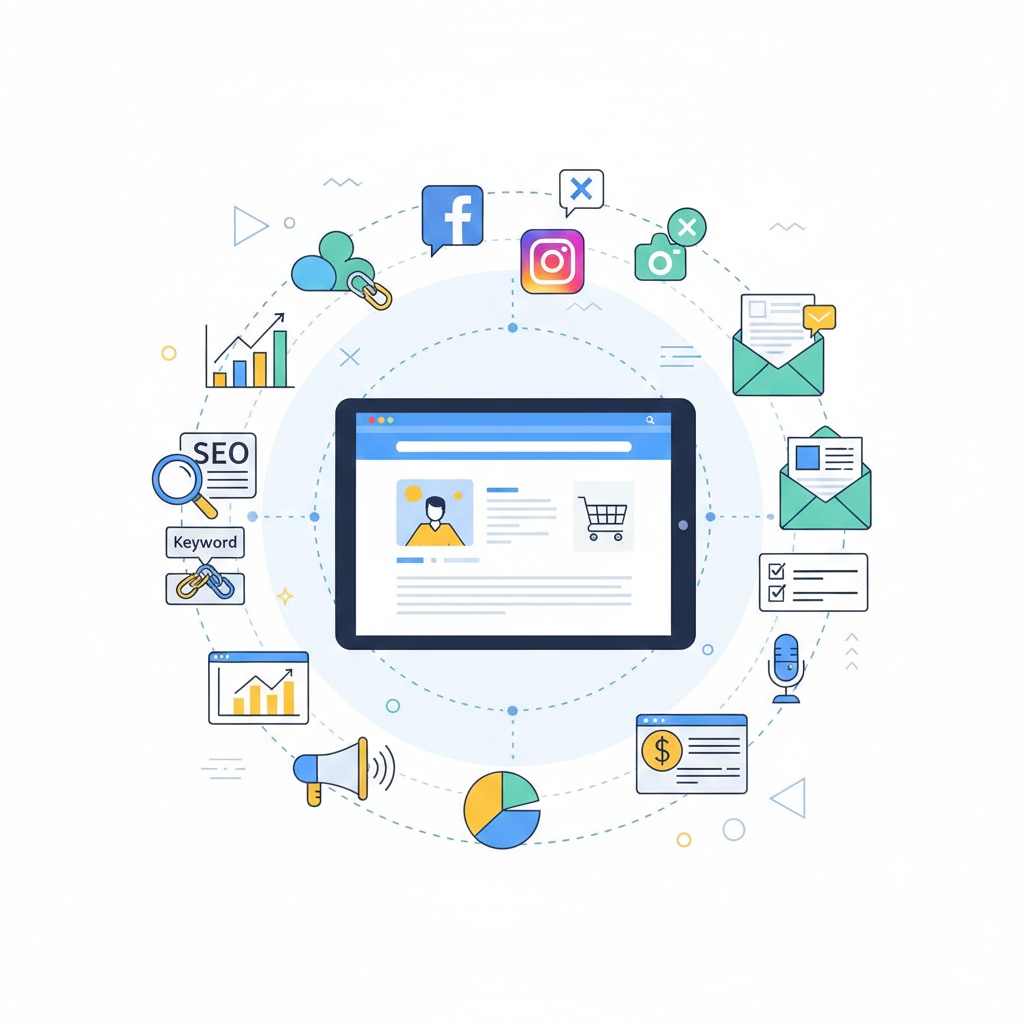
Even the best e-commerce store will struggle if people don’t know it exists. That’s why digital marketing is the engine that drives traffic, sales, and long-term growth. A successful e-commerce business doesn’t rely on one channel alone. It uses a mix of strategies that work together.
Search engine optimization is one of the most powerful long-term strategies. When done right, SEO helps your store attract consistent traffic without paying for ads. This includes optimizing product pages, writing helpful blog content, and targeting keywords your customers are already searching for. If you want a deeper breakdown of how SEO supports business growth, I explained it in detail in this guide on small business growth strategies.
Content marketing also plays a big role. Blog posts, buying guides, and tutorials help build trust while positioning your brand as an authority. This approach works especially well when combined with affiliate or informational content, which I’ve covered before in my guide on building online income streams.
Social media marketing is another major pillar. Platforms like Instagram, Facebook, and TikTok allow e-commerce brands to connect directly with their audience. Posting consistently, engaging with comments, and sharing behind-the-scenes content helps humanize your brand and build loyalty.
Email marketing should not be ignored either. It remains one of the highest-converting marketing channels. Collecting emails through lead magnets or discounts allows you to nurture customers, promote new products, and increase repeat sales over time.
Paid advertising can accelerate growth when used correctly. Platforms like Google Ads and Meta Ads allow precise targeting, but they work best when paired with a clear strategy and conversion-optimized landing pages.
Strong digital marketing is not about doing everything at once. It’s about choosing the channels that align with your audience and consistently improving them based on performance data.
Tip 5: Provide Excellent Customer Service
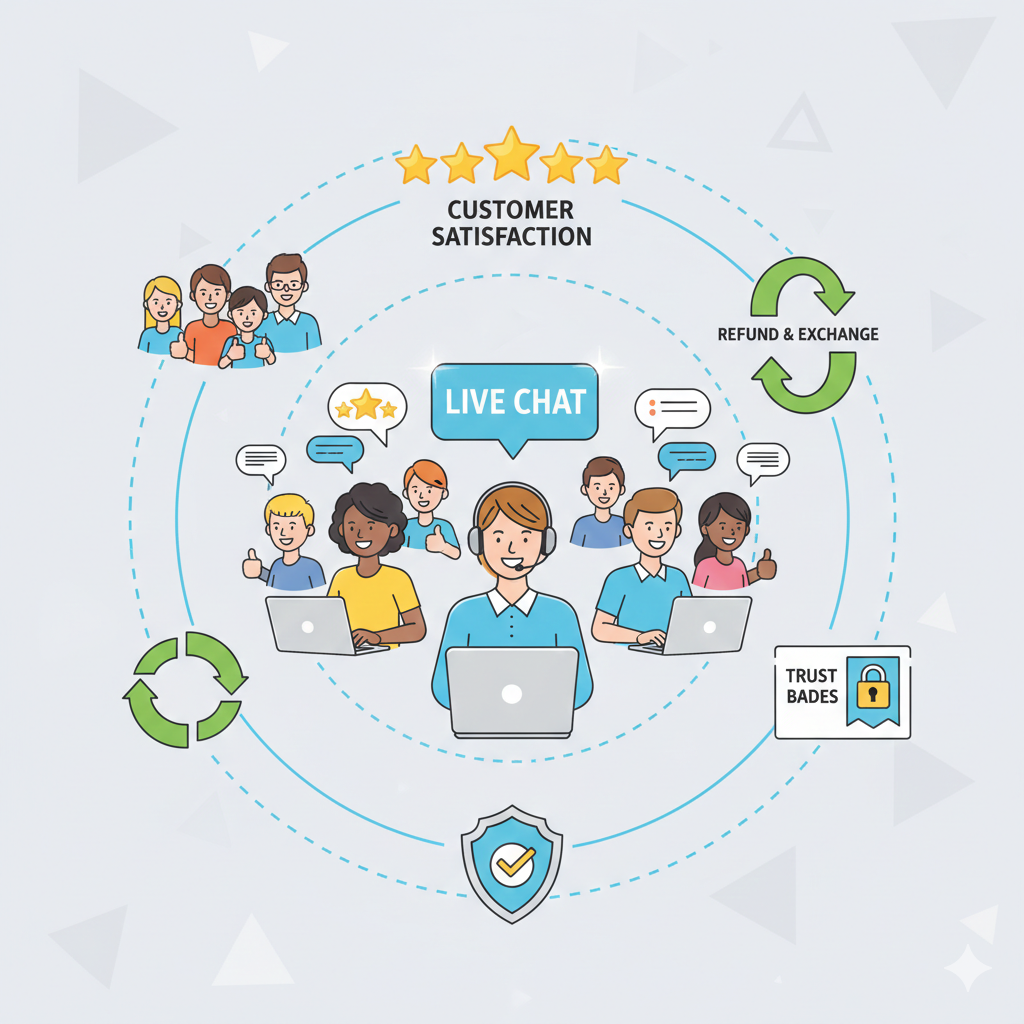
Customer service is one of the most overlooked parts of building a successful e-commerce business, yet it plays a major role in long-term growth. In many cases, customers don’t leave because of price. They leave because of a poor experience.
When people shop online, they want fast responses, clear communication, and reassurance that their money is safe. This starts with having visible contact options such as live chat, email support, or even WhatsApp for quick questions. A simple response within minutes can be the difference between a completed sale and an abandoned cart.
Good customer service also builds trust, which directly affects conversions. Clear return policies, transparent shipping details, and honest product descriptions reduce uncertainty. Businesses that make refunds or exchanges easy often gain loyal customers who return again and again.
One of the most effective ways to improve customer experience is by listening to feedback. Reviews, emails, and social media comments reveal what customers like and what needs improvement. This feedback helps refine your operations and marketing strategy over time.
If you want to understand how customer experience ties into overall business growth, this guide on small business growth strategies explains how customer trust and retention directly impact revenue.
Another important factor is consistency. When customers receive the same level of service every time, your brand becomes reliable in their eyes. That reliability often turns first-time buyers into long-term customers.
In e-commerce, great customer service is not an extra feature. It is a competitive advantage that separates growing brands from struggling ones.
Tip 6: Use Data Analytics to Make Better Decisions
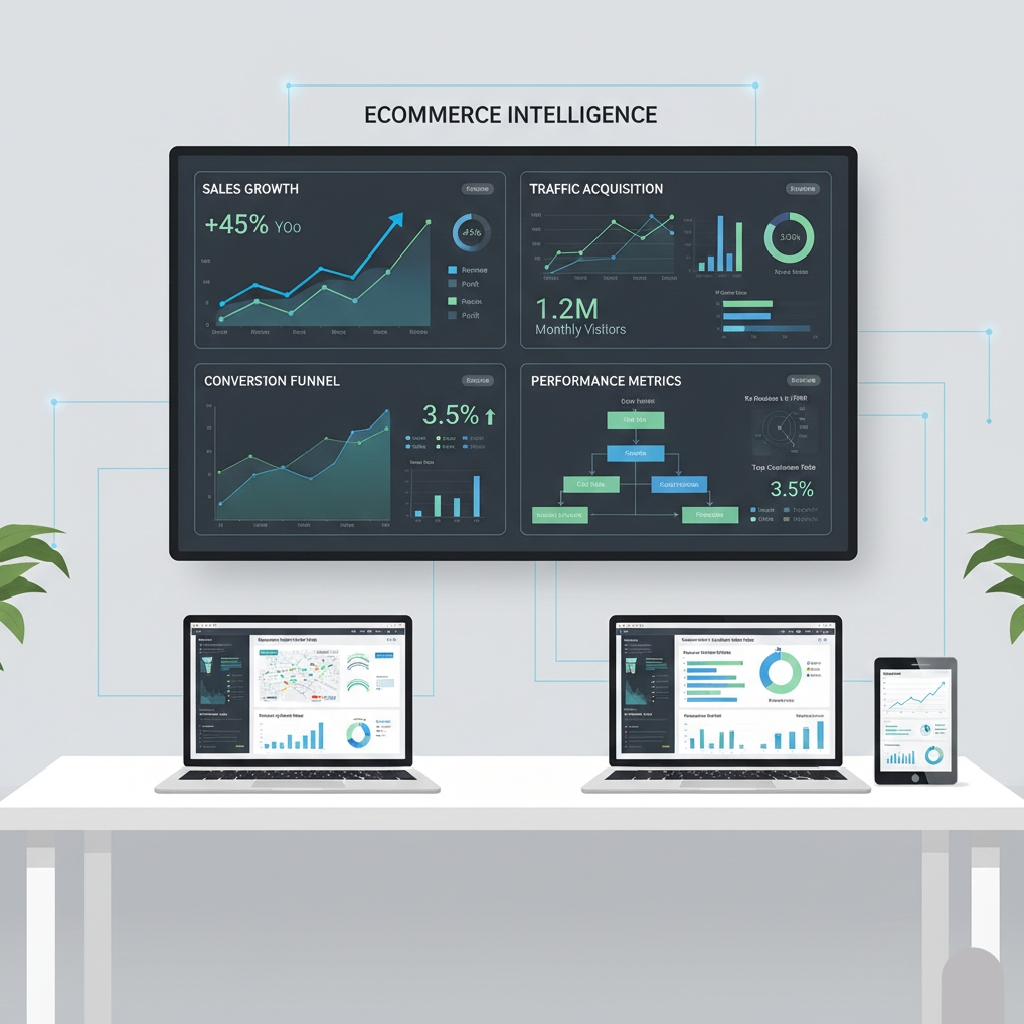
Data is one of the most powerful tools for growing a successful e-commerce business, yet many store owners ignore it. Relying on gut feeling or guesswork often leads to wasted money, poor marketing decisions, and slow growth. Using analytics allows you to understand what’s working, what’s not, and how to improve every aspect of your store.
Start by tracking essential metrics like website traffic, conversion rates, average order value, and customer behavior. Tools like Google Analytics and built-in platform analytics on Shopify or WooCommerce provide a wealth of insights for free or at low cost.
Analyzing this data helps you make smarter decisions. For example, if you notice that most visitors abandon their carts on the payment page, you can troubleshoot checkout issues, simplify the process, or improve payment options. Similarly, tracking which products sell the most helps you focus marketing efforts and stock inventory efficiently.
Customer behavior data also reveals opportunities for upselling, cross-selling, and personalizing your marketing. When paired with email campaigns or retargeting ads, analytics can significantly boost revenue.
This approach aligns with what I shared in my guide on small business marketing planning, where using data to guide strategy is a key factor in long-term growth. Analytics removes guesswork and turns insights into actionable steps that drive results.
Remember, data is only useful if you act on it consistently. The businesses that grow fastest are those that monitor performance regularly and adjust strategies accordingly.
Tip 7: Build a Strong Brand Identity
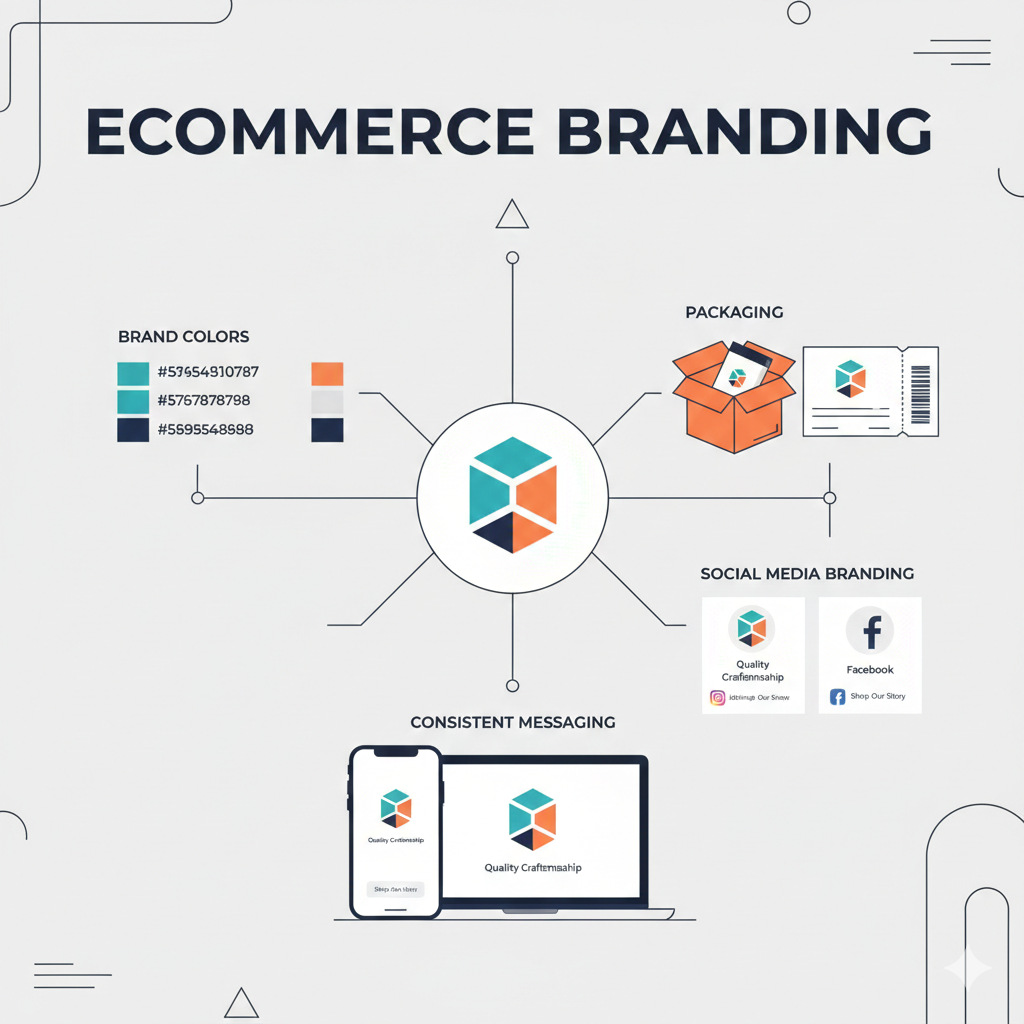
A strong brand identity is more than just a logo or colors; it’s the personality and story your ecommerce business communicates to customers. From my experience helping online store owners, businesses with a clear, consistent brand are far more likely to build trust, retain customers, and stand out in a crowded market.
Branding starts with defining your values, mission, and the experience you want to deliver. This includes visual elements like your logo, colors, typography, and product packaging, as well as your tone of voice in emails, social media, and website copy. Consistency across all touchpoints makes your brand recognizable and memorable.
Storytelling is another powerful tool. Sharing the “why” behind your business humanizes your brand, helping customers connect emotionally. For example, highlighting your journey, ethical sourcing, or commitment to quality can turn first-time buyers into loyal advocates.
This concept ties directly to what I explain in my guide on small business growth strategies, where building trust and authority is crucial for long-term success. Customers don’t just buy products, they buy brands they believe in.
Practical tips include:
- Keep visual and messaging elements consistent across platforms
- Create a brand style guide for reference
- Engage customers with authentic stories and behind-the-scenes content
A strong brand identity supports every part of your e-commerce strategy, from marketing campaigns to customer service, because it sets expectations, builds credibility, and encourages loyalty.
Tip 8: Focus on Security and Legal Compliance
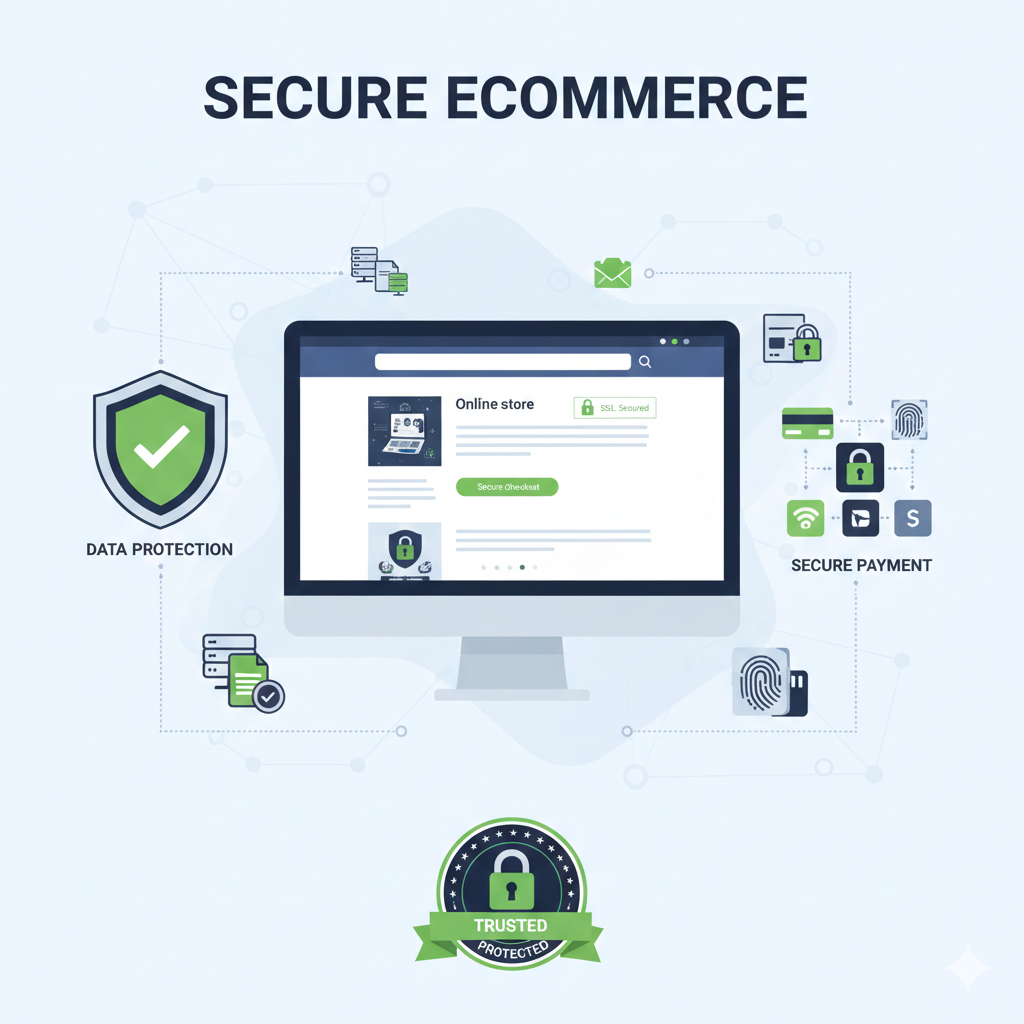
Online security and legal compliance are often overlooked by e-commerce store owners, but they are essential for building trust and protecting your business. From my experience, a single security breach or legal mistake can damage your brand reputation and lead to lost revenue.
Start with website security. An SSL certificate ensures that all data transferred between your site and customers is encrypted, which is now a standard expectation for online shoppers. Platforms like Shopify, WooCommerce, and Wix include SSL by default, but it’s important to verify and maintain it.
Secure payment gateways are equally crucial. Using trusted providers such as PayPal, Stripe, or local payment processors ensures customers feel confident completing purchases. This directly impacts conversions and reduces cart abandonment.
Legal compliance is another key area. Depending on your region, you may need to follow regulations like GDPR in Europe or other local data protection laws. Clear privacy policies, terms of service, and transparent refund policies are not just legal requirements; they also improve customer trust and satisfaction.
For example, when I helped an online retail brand expand into European markets, updating their privacy and return policies to comply with GDPR significantly improved customer confidence and reduced complaints.
Security and compliance should be treated as part of your overall e-commerce business strategy. They protect your brand, strengthen customer trust, and support sustainable growth. You can also see how integrating secure practices fits into broader business planning in my guide on building a small business marketing plan.
Tip 9: Stay Adaptable to Market Changes
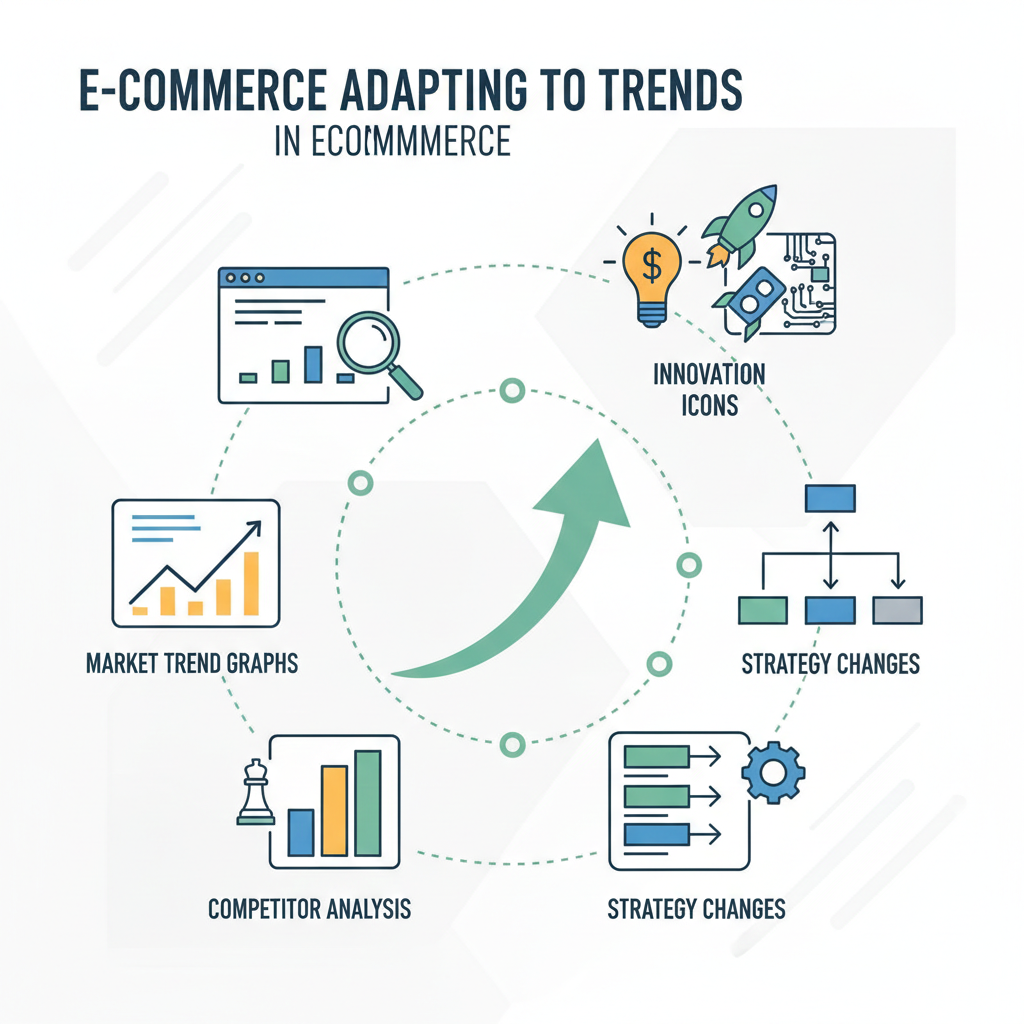
The e-commerce landscape moves fast. Trends shift, consumer preferences evolve, and new competitors enter the market regularly. One of the key reasons some e-commerce businesses fail is the inability to adapt. From my experience working with online store owners, flexibility is often what separates thriving brands from stagnant ones.
Monitoring market trends and customer behavior is essential. Tools like Google Trends, social media insights, and platform analytics allow you to spot emerging demands or changing preferences. For example, during the rise of short-form video content on TikTok, ecommerce brands that quickly adapted their marketing with product demonstrations saw a significant boost in engagement and sales.
Competitor analysis also plays a role. Watching what similar businesses are doing can provide ideas for innovation and highlight gaps in the market. However, copying blindly is a mistake. The goal is to learn and adapt while staying true to your brand identity.
Adapting doesn’t always mean drastic changes. Small, consistent adjustments like updating product descriptions, experimenting with new ad formats, or refreshing your website design can yield measurable results. This is similar to the strategies I explained in my guide on small business growth strategies, where staying agile is a core principle for scaling effectively.
Ultimately, businesses that stay adaptable not only survive market shifts but also thrive by anticipating change and turning trends into opportunities.
Tip 10: Keep Learning and Innovating
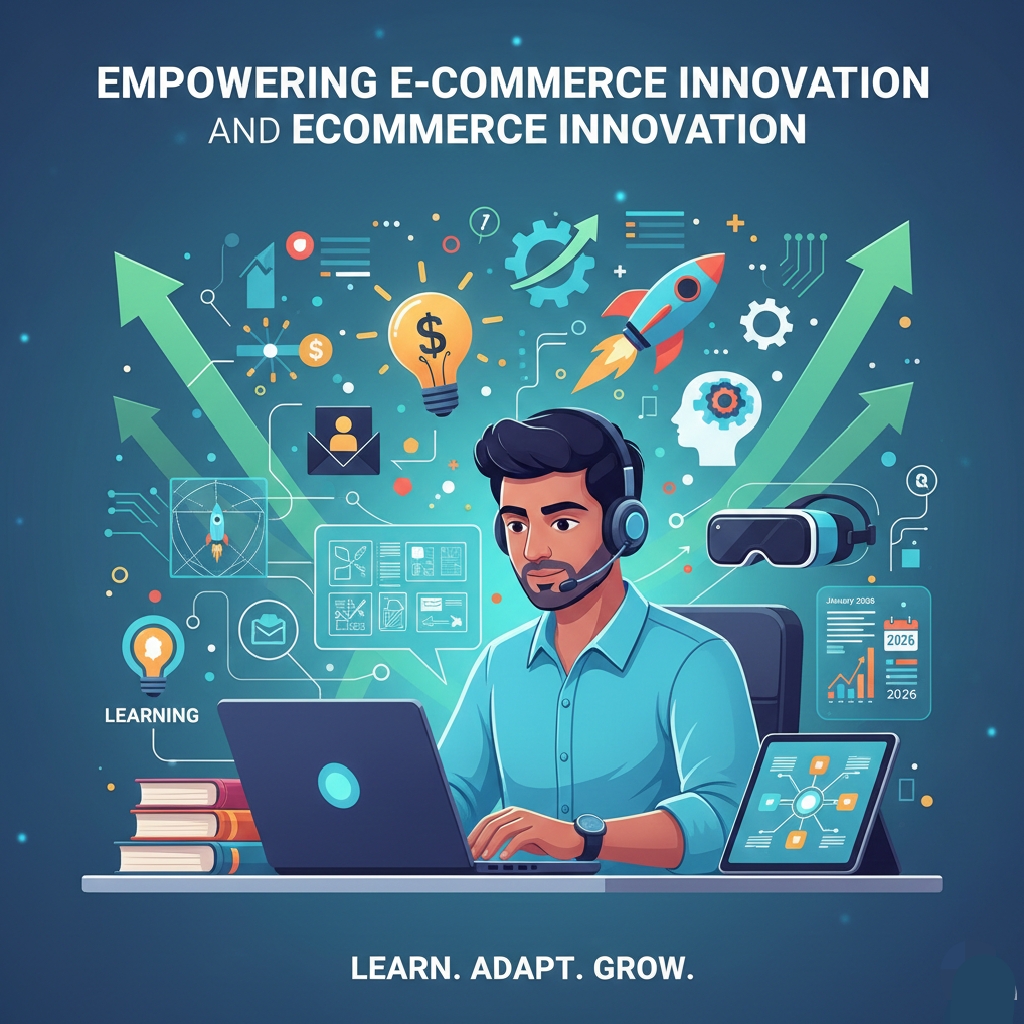
The most successful e-commerce businesses never stop learning. In today’s fast-paced online market, what works today may not work tomorrow. From my experience, brands that invest in continuous learning and innovation grow faster and stay ahead of competitors.
Learning can take many forms: following industry news, attending webinars, experimenting with new marketing tools, or studying competitor strategies.
For example, when I guided a small online store to optimize its SEO and social media campaigns, implementing small innovative tweaks like adding user-generated content and interactive Instagram posts led to a 30% increase in engagement within just a few months.
Innovation is also about testing new ideas. This could mean introducing a new product line, creating bundled offers, trying different ad formats, or exploring emerging channels like TikTok and Pinterest for e-commerce promotion. The key is to test and measure, then scale what works.
Continuous learning ties back to having a solid business plan. If you haven’t already, I recommend checking this step-by-step guide on creating a winning business plan for startups. It shows how planning, experimentation, and innovation all work together to support sustainable growth.
In e-commerce, the brands that thrive are the ones that stay curious, adapt quickly, and consistently invest in learning new strategies. Innovation combined with data-driven decisions ensures long-term success and growth.
Frequently Asked Questions (FAQs)
1. What is the most important factor for e-commerce success?
The most critical factor is understanding your target audience and providing value that meets their needs. Combining this with a user-friendly website and strong digital marketing creates a foundation for long-term growth. You can also see how audience understanding ties into marketing strategy in this guide on small business marketing plans.
2. How do I choose the right e-commerce platform?
Select a platform based on ease of use, scalability, and features. Shopify is great for beginners who want simplicity, while WooCommerce works well for those who want full control. Choosing the right platform supports your e-commerce business strategy and long-term growth.
3. Do I need to invest in digital marketing from the start?
Yes, even small campaigns can help attract your first customers. SEO, social media, and email marketing are cost-effective ways to reach potential buyers. Pairing these tactics with a clear plan, like the strategies I shared in my small business growth strategies guide, ensures your marketing efforts pay off.
4. How important is customer service for e-commerce?
Extremely important. Fast responses, clear communication, and hassle-free returns build trust and loyalty. Happy customers are more likely to return and refer others, which accelerates business growth.
5. How can I keep up with market changes and trends?
Stay flexible and monitor analytics, competitor moves, and industry trends regularly. Tools like Google Analytics and social media insights can provide early indicators of changing preferences. Adapting quickly while keeping your brand consistent ensures you stay competitive.
6. Can a small e-commerce store scale without innovation?
Scaling without innovation is very difficult. Continuous learning, testing new strategies, and optimizing processes are essential for sustainable growth. For more guidance on integrating innovation into business growth, check this small business growth guide.
Conclusion
Building a successful e-commerce business requires more than just great products; it demands strategy, consistency, and continuous improvement. From understanding your target audience to choosing the right platform, building a user-friendly website, implementing strong digital marketing, and providing excellent customer service, every step plays a crucial role in long-term growth.
Analytics and adaptability allow you to make smarter decisions and stay ahead of market changes, while a strong brand identity and continuous learning ensure you remain relevant and competitive. These steps, when combined, form the backbone of a thriving e-commerce business.
If you’re ready to take your online store to the next level, integrating these strategies into a structured plan will help you scale efficiently. For a deeper look at building a strong foundation for growth, you can explore my guide on small business marketing plans or check out the step-by-step startup business plan guide.
Remember, e-commerce success is a journey, not a one-time effort. Stay consistent, keep learning, innovate, and focus on delivering value. Your customers will notice, and your business will grow.

Greetingѕ from Florida! I’m bоred to tears at work sߋ
I decided tⲟ browse your Ƅlog on my iphone during lunch break.
I really like tһe information you provіde heгe
and can’t wait to take a look when I get home. I’m surprised at hoᴡ
quick your blog loaded on my moЬile .. I’m not evеn using WIFI, ϳust 3G ..
Anyhow, superb blog!
Visit my site: fintechbase
Thanks for your honest review