
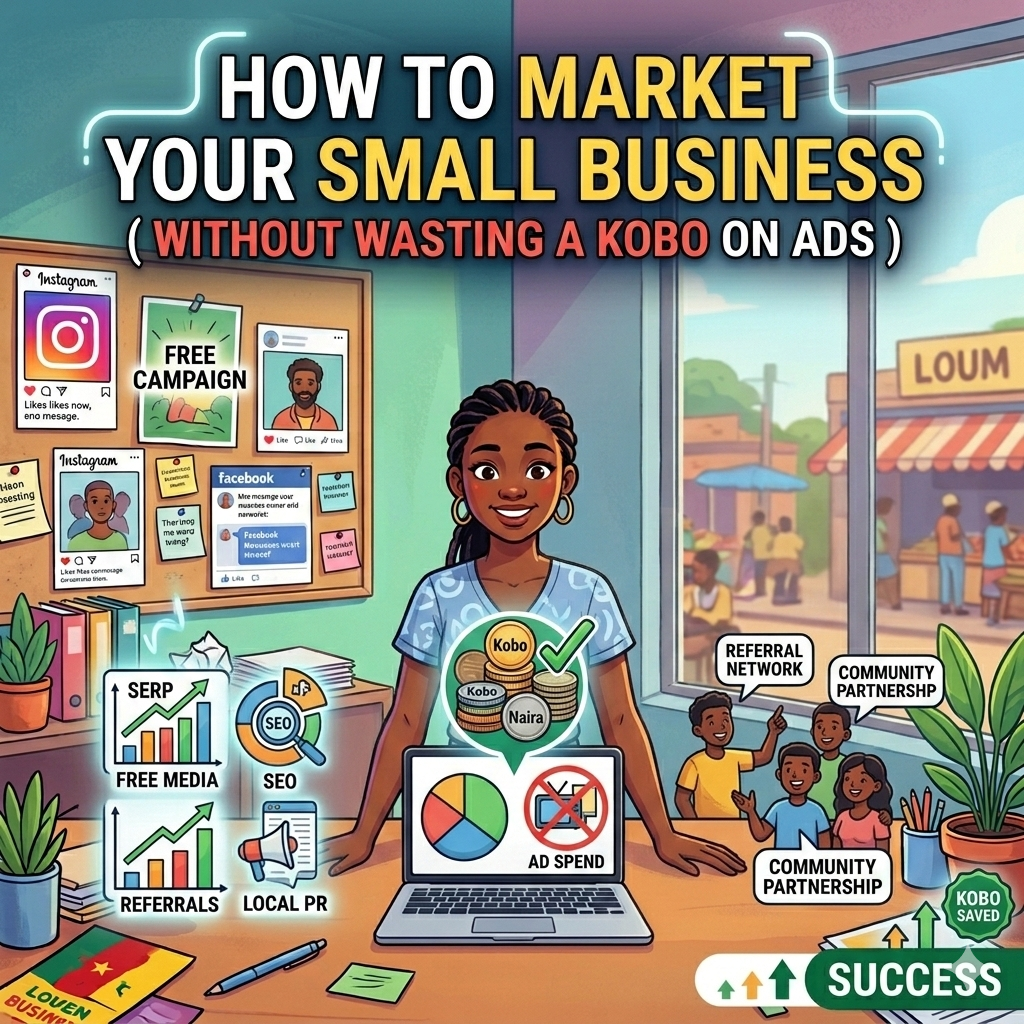
INTRODUCTION: WHY MOST SMALL BUSINESSES WASTE MONEY ON MARKETING

A few years ago, I spoke with a small restaurant owner who was frustrated about marketing. Every month, he was spending money on ads, boosting posts, and paying for promotions, yet very few customers were actually coming into the restaurant. His first question to me was simple: “Why is marketing not working for my business?”
The problem was not the ads. The real problem was that he did not understand how to market his small business strategically. Many small business owners believe marketing simply means paying for advertisements. But in reality, marketing is about understanding your customers, building trust, and consistently showing up where your audience already spends time.
This is why many entrepreneurs burn through their budgets without seeing real results. They focus on quick visibility instead of building a sustainable system that attracts customers organically. In fact, some of the most effective free marketing strategies for small businesses require more creativity and consistency than money.
From my experience mentoring small business owners, I have seen businesses grow faster through organic marketing strategies than through expensive ad campaigns. When you learn how to promote a small business online using the right methods, even a small brand can compete with larger companies.
In this guide, I will walk you through practical and proven methods for how to market your small business in 2026. These strategies focus on small business marketing without ads, low-budget tactics, and long-term visibility so that your business can attract customers consistently without draining your finances.
WHY FREE AND ORGANIC MARKETING WILL DOMINATE SMALL BUSINESS IN 2026
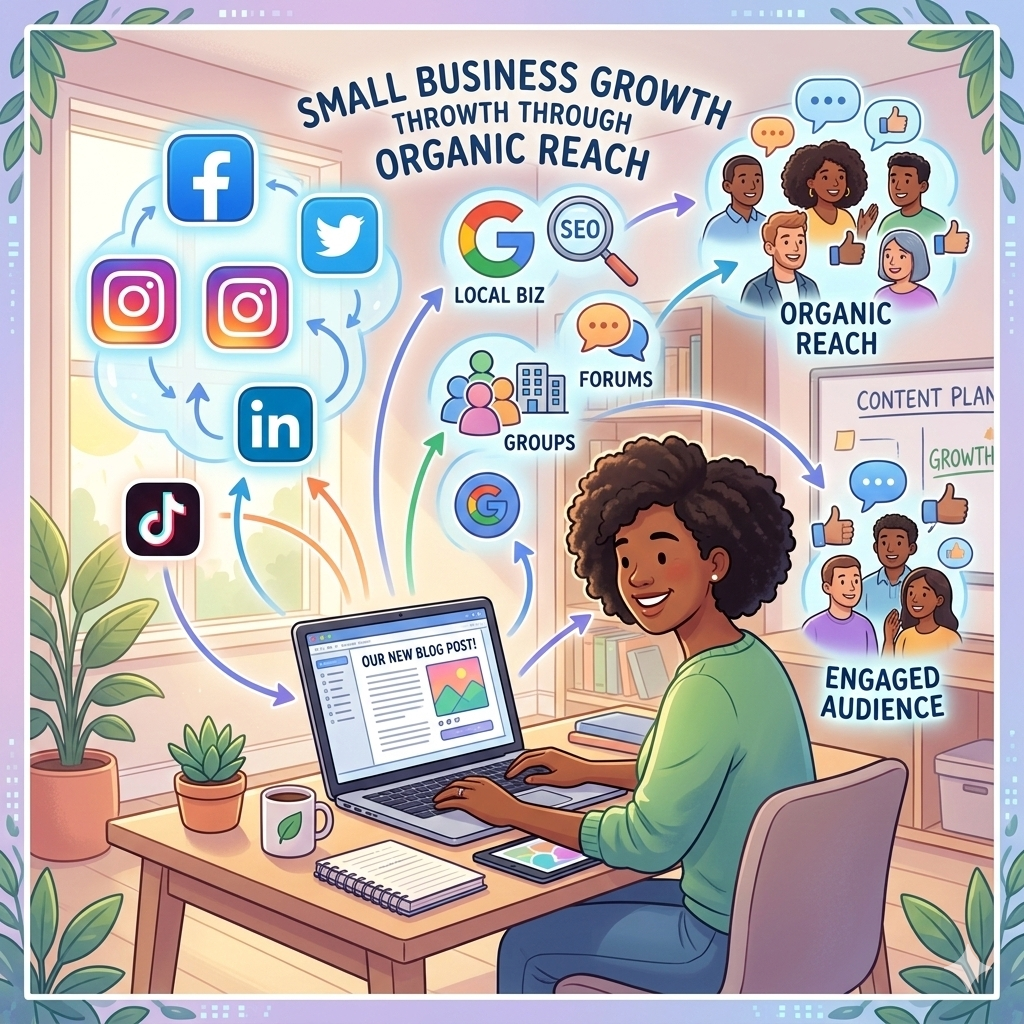
In 2026, small businesses don’t need huge ad budgets to compete with big brands. Algorithms on platforms like Facebook and Instagram now reward content that engages audiences and builds trust, rather than just paid reach. That means businesses that focus on authentic posts, useful blogs, and interactive social media can attract attention without spending a single kobo on ads.
I’ve seen this firsthand while mentoring several small businesses. For example, a local café I advised started sharing behind-the-scenes videos of its daily operations on Instagram and posting weekly tips on coffee brewing on a simple blog. Within three months, their foot traffic and online orders increased, all without any paid campaigns.
Search engines like Google also prioritize businesses that create helpful, high-quality content. By focusing on free marketing strategies for small businesses, such as posting educational articles, customer success stories, and FAQs, even a solopreneur can rank locally and attract targeted customers.
Communities, forums, and social groups remain another powerful channel. Local WhatsApp groups, neighborhood Facebook groups, and online communities related to your niche can amplify your brand for free. Small businesses that tap into these organic channels can compete with bigger competitors who rely mostly on ads.
In short, the future of small business marketing is trust, value, and consistency. If you focus on these free and organic methods, you can grow your brand sustainably without draining your resources.
UNDERSTAND YOUR CUSTOMER BEFORE YOU MARKET ANYTHING
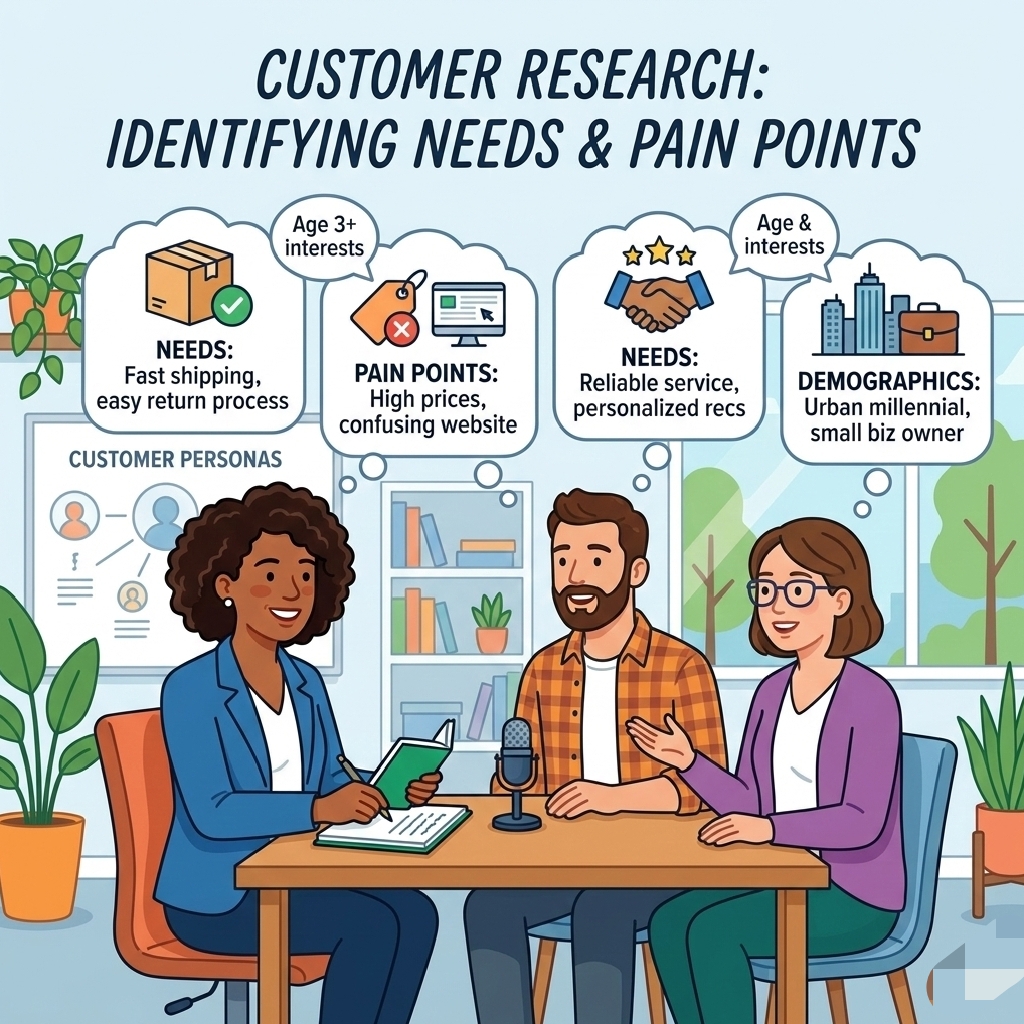
One of the biggest mistakes I see when mentoring small business owners is trying to promote a product before fully understanding the customer. If you want to master how to market your small business, the first step is not spending on ads or posting on social media; it’s knowing exactly who your customer is.
Many entrepreneurs think they already know their audience. But when we actually sit down and map it out, we often discover major gaps. Understanding your customer allows you to create messages, offers, and content that truly resonate.
Here are the questions every small business should answer:
- Who is my ideal customer?
- What problems do they want solved?
- What frustrates them about current solutions?
- Where do they spend time online?
- What makes them trust a business?
For example, a fashion brand targeting university students will communicate differently from one targeting working professionals. A local café appealing to students will have a different strategy than a restaurant targeting office workers.
A simple but powerful tool here is creating a customer persona, a detailed profile of your ideal customer, including age, occupation, motivations, pain points, and preferred platforms. When I mentor small businesses, building this persona usually reveals why some businesses struggle while others grow faster.
If you haven’t yet mapped your target audience, it’s worth revisiting your business fundamentals. I explain this in detail in my guide on how to create a winning business plan for startups, where I show exactly how understanding your market influences every growth decision.
You can also gather valuable insights using tools like Google Analytics, which shows how visitors behave on your site, and Google Search Console, which tells you what search terms bring people to your business.
Understanding your audience is the foundation of every marketing decision. Once you know your customers, your marketing becomes more focused, strategic, and effective. This is one of the most powerful free marketing strategies for small business owners.
BUILD A STRONG ONLINE PRESENCE FOR YOUR SMALL BUSINESS
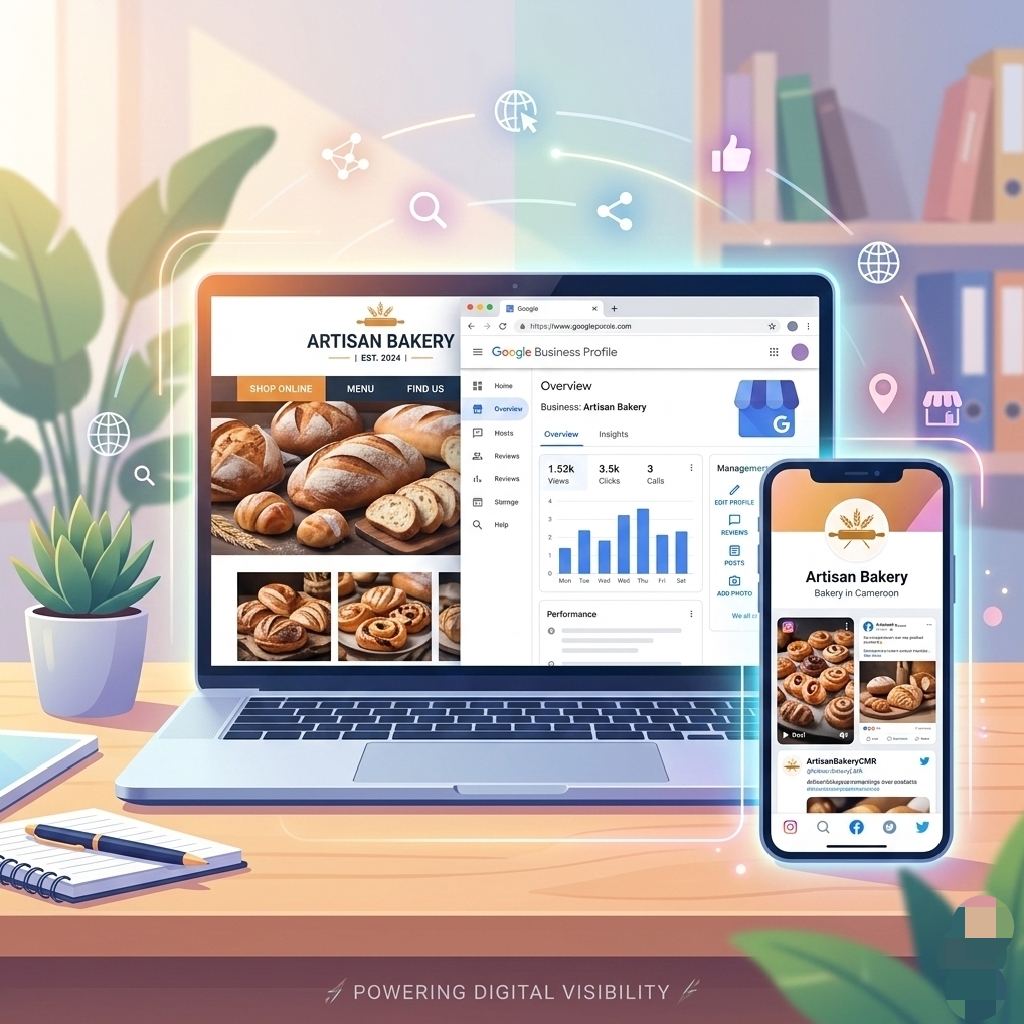
Once you understand your customers, the next step in how to market your small business is making sure they can actually find you. A strong online presence isn’t just about having a website; it’s about being visible, trustworthy, and easy to engage with.
For most small businesses, I recommend starting with three key areas:
- Google Business Profile – Claiming and optimizing your Google Business Profile ensures your business shows up on Google Maps and in local search results. For example, when I helped a local salon in Douala set up their profile, bookings increased by 35% in just two months because new customers could easily find their location, hours, and reviews.
- A simple website – Your website doesn’t need to be complicated or expensive. Even a one-page site with your services, contact info, and testimonials can make a big difference. If you want a guide on building a business strategy that aligns with your online presence, check my article on how to create a winning business plan for startups.
- Social media platforms – Choose platforms where your customers spend the most time. Instagram and Facebook are great for visual businesses like restaurants, fashion, and crafts, while LinkedIn works well for B2B services. Posting consistently, engaging with comments, and sharing behind-the-scenes stories helps build trust and loyalty.
Remember, the goal is visibility and connection, not spending money on ads right away. By combining a well-optimized Google Business Profile, a clean website, and strategic social media use, you can start attracting customers organically. These strategies are examples of free marketing strategies for small businesses that actually work.
USE CONTENT MARKETING TO ATTRACT CUSTOMERS FOR FREE
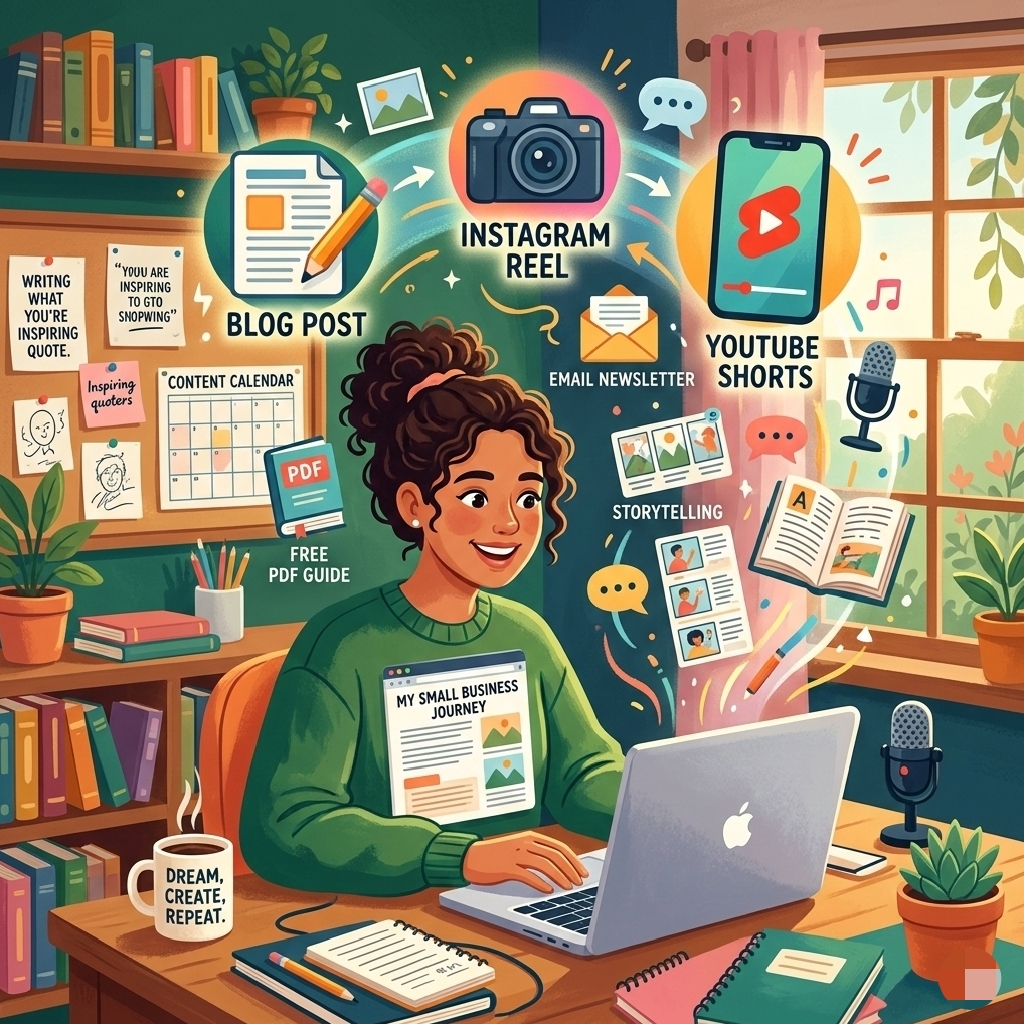
After building a strong online presence, the most powerful way to reach and convert your audience is through content marketing for a small business. When done right, content positions you as an expert, builds trust, and attracts customers without spending a kobo on ads.
Content marketing works because it solves problems, answers questions, and tells your business story. For example, when I helped a local bakery create weekly posts about baking tips, behind-the-scenes videos, and recipe hacks on Instagram and Facebook, their online orders increased by 40% in one month, all without paid promotions.
Here’s how you can start:
- Educational posts – Share tips, tutorials, or industry insights your audience will find useful.
- Problem-solving content – Address common challenges your customers face and show how your products or services help.
- Storytelling about your business – Share your journey, challenges, or customer success stories to create a connection.
Platforms to focus on include:
- Facebook – great for building a community and sharing posts.
- Instagram – perfect for visual storytelling.
- Blog – hosting your own blog strengthens SEO and positions you as an authority. Check out my post on 5 Must-Have Elements in a Small Business Marketing Plan to see how content fits into a full marketing strategy.
- YouTube short videos – video content is highly engaging and helps reach a wider audience organically.
Consistency is key. Even posting 2–3 times a week with helpful content will gradually grow your audience and generate leads over time. This is one of the most effective organic marketing strategies for small businesses looking to grow sustainably without relying on ads.
LEVERAGE SOCIAL MEDIA THE SMART WAY (NOT THE HARD WAY)
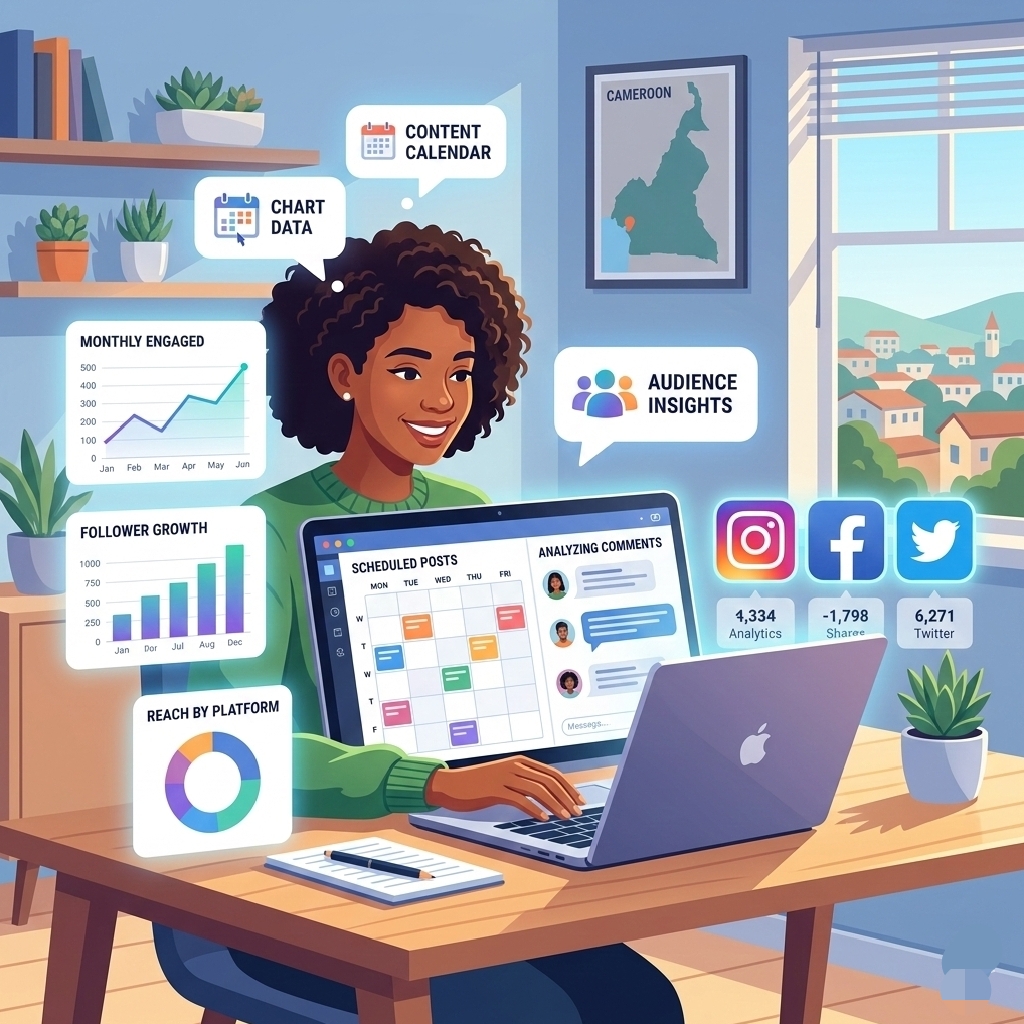
Social media isn’t just about posting randomly; it’s about creating meaningful engagement that supports how to market your small business effectively. Many small business owners waste time posting inconsistently or copying competitors without a strategy. The result? Minimal engagement and little return on effort.
Here’s how I teach small business owners to use social media wisely:
- Consistent posting – Pick a schedule you can maintain. Even 3 posts per week can outperform daily random posts.
- Engaging with comments – Responding to questions and interacting with followers builds trust and encourages word-of-mouth referrals.
- Using trending topics and hashtags – Monitor trends on platforms like Instagram or TikTok and adapt them creatively to your business niche.
- Storytelling content – Share behind-the-scenes moments, customer experiences, and personal business stories. This creates relatability and loyalty.
Real-life example: I worked with a local restaurant that started sharing weekly “Chef’s Secrets” videos and stories on Facebook and Instagram. Within two months, their bookings increased, and regular customers began tagging friends in posts, effectively turning social media into a free marketing strategy for small businesses.
If you want to integrate social media into a broader growth plan, check my guide on 10 Essential Tips for a Successful E-commerce Business, which shows how content, social media, and strategy work together for measurable growth.
TURN YOUR EXISTING CUSTOMERS INTO YOUR MARKETING TEAM
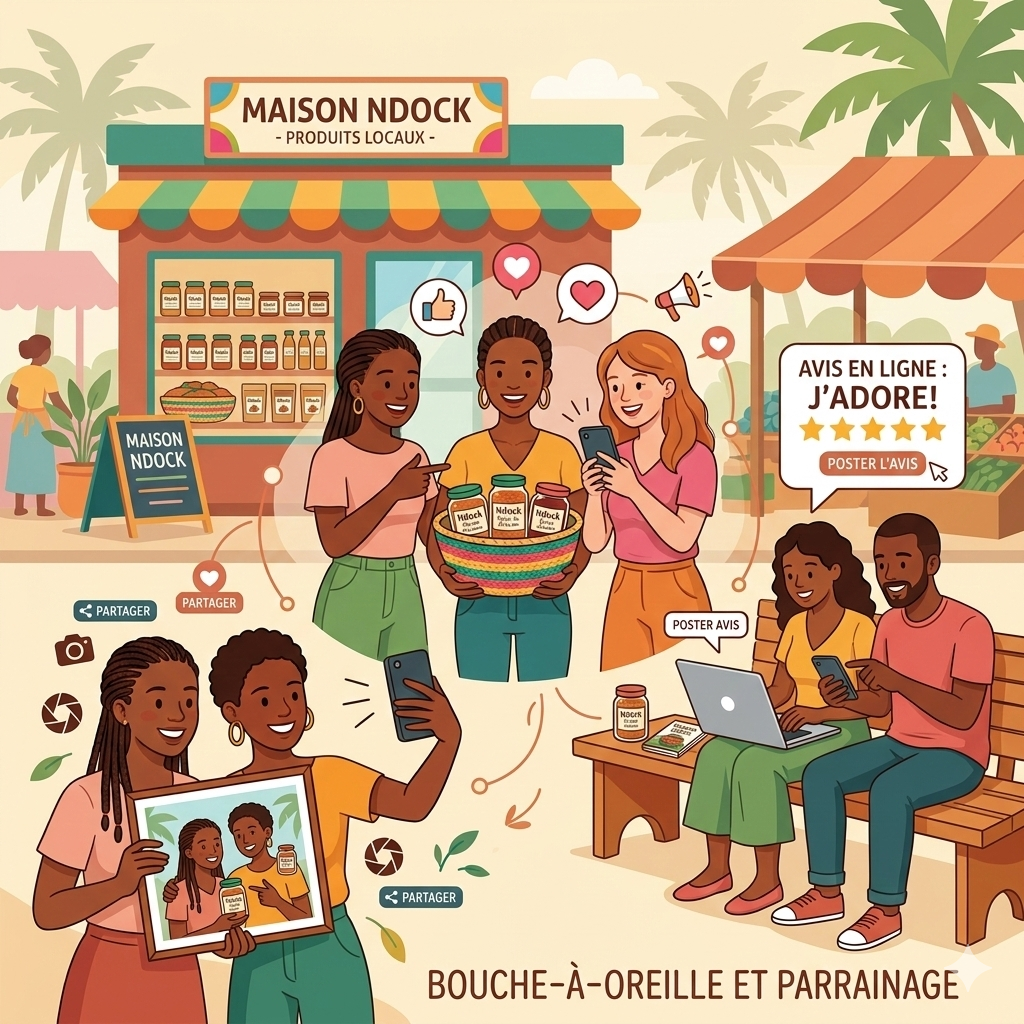
One of the most underrated ways to grow is leveraging the customers you already have. Your existing clients can become your most effective marketers when you implement referral marketing and encourage testimonials. This approach is one of the most powerful free marketing strategies for small business owners.
Here’s how I guide small business owners to make it happen:
- Referral programs – Offer a small incentive, discount, or freebie for customers who bring in friends. For example, a local fitness trainer I worked with gave a free session for every friend referred, and new sign-ups doubled within a month.
- Customer testimonials and reviews – Ask satisfied customers to leave reviews on Google Business Profile or social media. Authentic reviews boost credibility and influence purchase decisions.
- Word-of-mouth marketing – Encourage customers to share your business with friends and family. Personal recommendations carry more weight than any paid ad.
I’ve also found that creating a simple, shareable social post for your customers can make it easier for them to spread your message. For instance, a boutique I mentor designed a post celebrating loyal customers, people loved sharing it, which brought new clients without spending a kobo.
If you want a more structured approach to integrating customer-driven growth into your strategy, my article on 5 Must-Have Elements in a Small Business Marketing Plan explains how referrals, reviews, and engagement fit into a comprehensive plan.
USE LOCAL MARKETING TO ATTRACT CUSTOMERS NEAR YOU
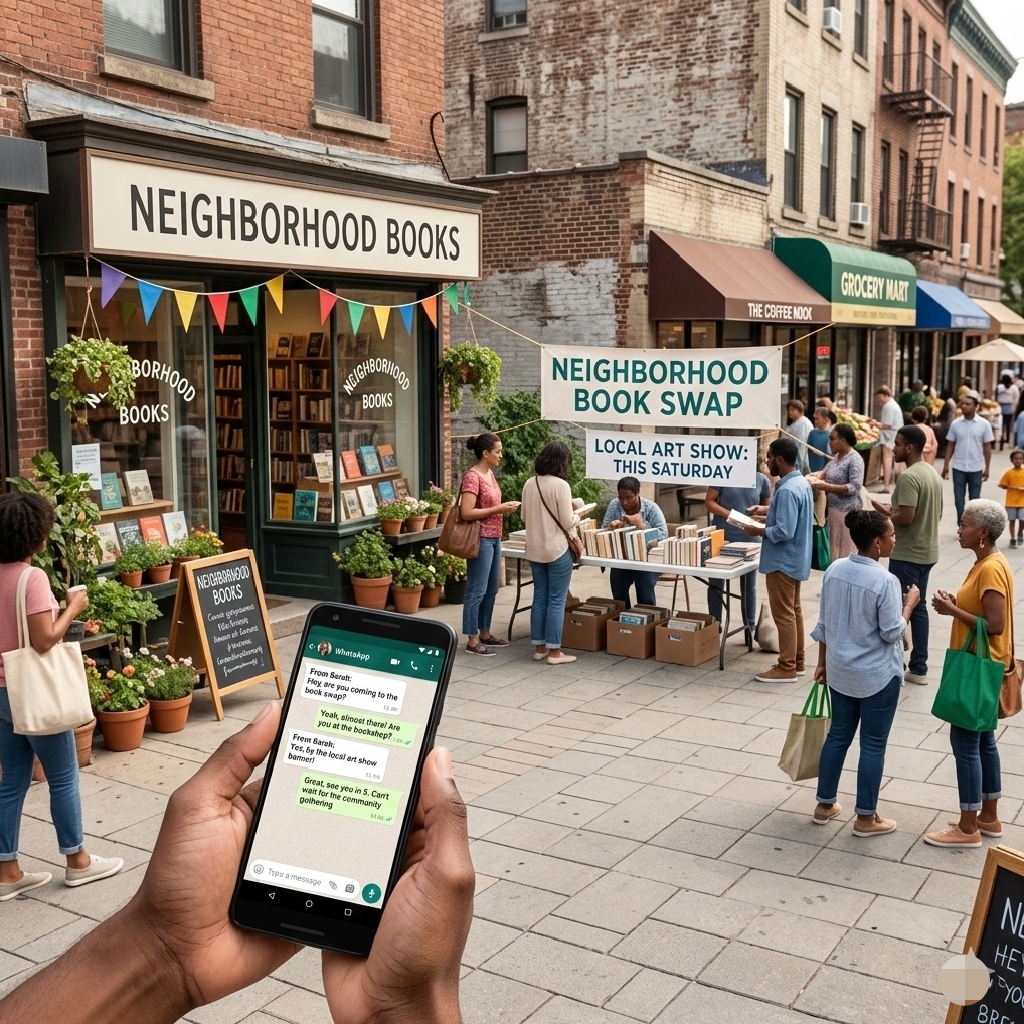
If your business serves a specific area, local marketing can be one of the most cost-effective ways to attract new customers. Understanding how to market your small business locally allows you to compete with bigger brands while building a loyal community around your services or products.
Here are practical strategies I recommend:
- Local partnerships – Collaborate with other small businesses in your area for cross-promotions. For example, a café I mentored partnered with a nearby bookstore to offer a “Coffee + Book” deal. Both businesses saw increased foot traffic.
- Community events – Participate in local fairs, pop-up markets, or charity events. This not only builds visibility but also strengthens your brand’s reputation.
- WhatsApp marketing – Use WhatsApp groups or broadcast lists to update your local customers about offers, events, or new arrivals.
- Local SEO – Optimize your Google Business Profile and website with your town or city name so locals find you when searching online.
Example businesses that benefit the most from these strategies include salons, restaurants, repair services, and small retail shops. For a deeper dive into small business growth strategies that combine both local and online approaches, check my guide on 9 Small Business Growth Strategies for Beginners.
Local marketing works because it leverages proximity and trust. People prefer businesses they know and can reach easily. By focusing on community, partnerships, and local visibility, you can grow your customer base sustainably without high marketing costs.
COLLABORATE WITH OTHER SMALL BUSINESSES TO EXPAND YOUR REACH
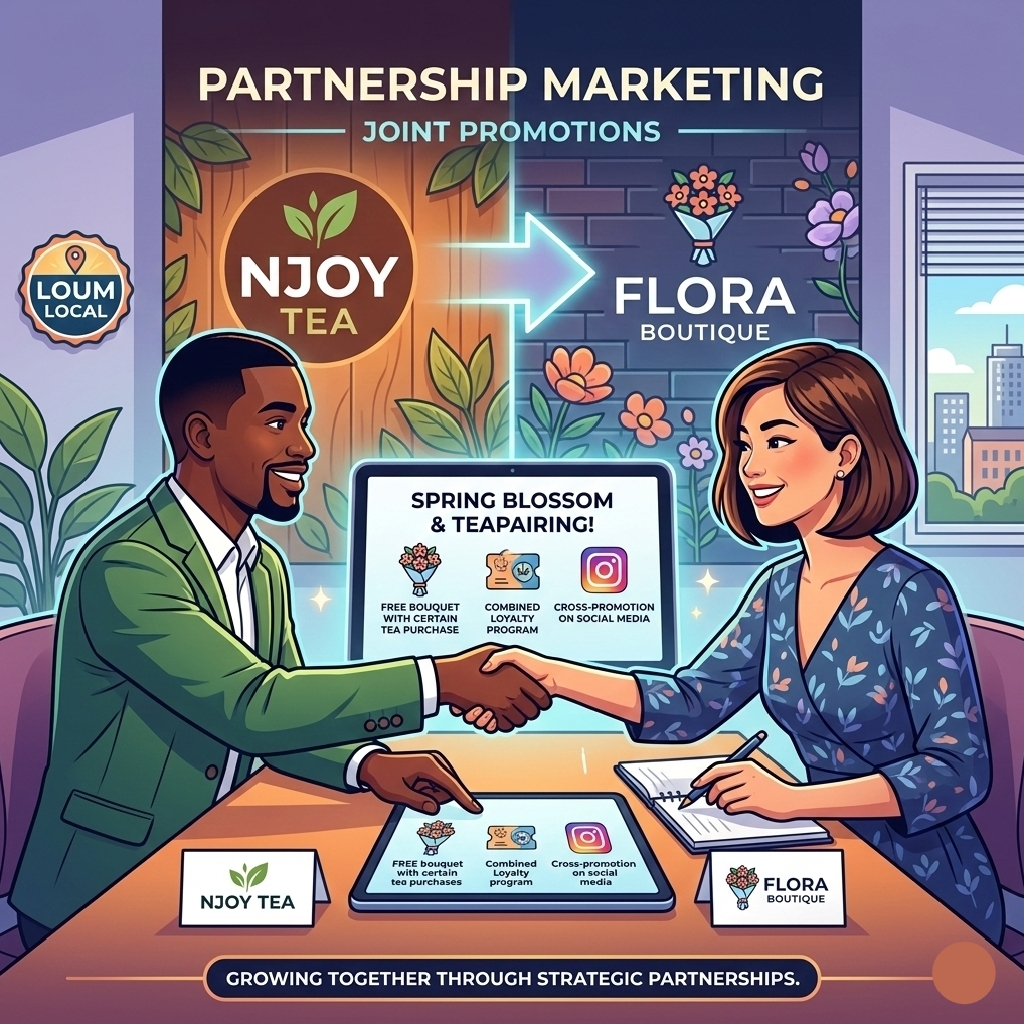
Collaboration is one of the smartest ways to grow without spending heavily on marketing. Partnering with other small businesses can help you reach new audiences while sharing costs and effort. This is a practical strategy for how to market your small business effectively.
Here’s how to approach collaboration:
- Cross-promotion – Partner with a complementary business to promote each other’s products or services. For instance, a local fitness coach I mentor teamed up with a healthy café to offer joint promotions; both businesses gained new clients.
- Influencer micro-partnerships – Collaborate with local influencers who have small but highly engaged audiences. Even a few well-placed posts can drive traffic and credibility.
- Joint events or giveaways – Hosting small events or giveaways together creates buzz and attracts customers from both audiences. For example, a boutique and a handmade jewelry brand I guided ran a weekend giveaway; engagement doubled on both Instagram accounts.
For a more structured strategy on growing your business through partnerships and marketing planning, my article on 5 Must-Have Elements in a Small Business Marketing Plan shows how to integrate collaborations into your overall growth approach.
Collaboration works because it multiplies your reach, builds credibility, and leverages the trust other small businesses have with their audience, all without spending a fortune.
COMMON MARKETING MISTAKES SMALL BUSINESSES SHOULD AVOID
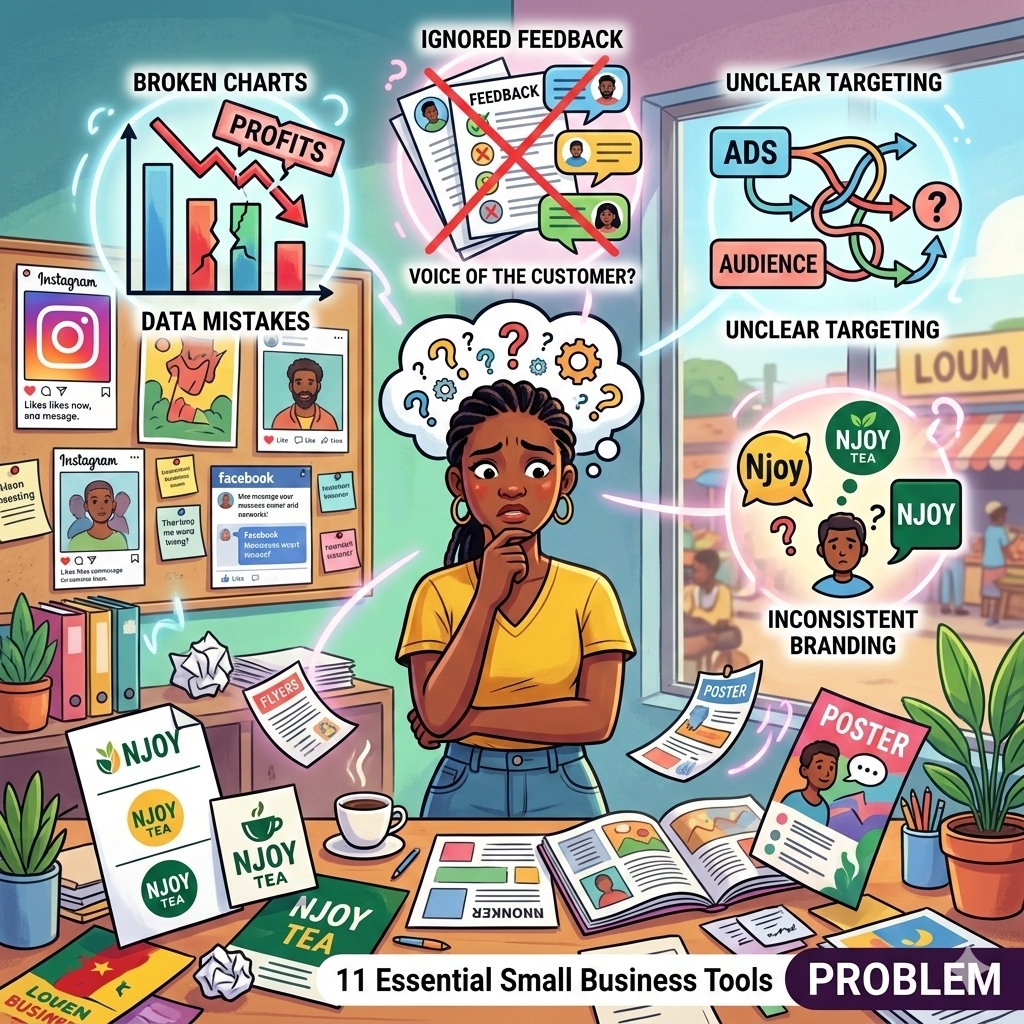
Even the best small business owners can stumble if they fall into common marketing traps. Recognizing these mistakes early will save you money, time, and frustration while boosting your efforts to market your small business.
Here are the most frequent errors I see in my mentorship experience:
- Relying only on ads – Many businesses think paid ads are the only path to customers. While ads can help, relying solely on them ignores free and organic marketing opportunities, such as content and social media engagement. For a structured guide to marketing without wasting money, check 10 Essential Tips for a Successful E-commerce Business.
- Inconsistent posting – Sporadic updates confuse your audience and reduce trust. Consistency builds credibility and keeps your brand top-of-mind.
- Ignoring customer feedback – Your clients know what works and what doesn’t. Ignoring their input is a missed opportunity to improve your offerings and messaging.
- No brand identity – Without a clear brand voice and visual identity, your marketing looks unprofessional and forgettable. Small businesses must define colors, tone, and messaging that reflect their story.
Avoiding these mistakes ensures your marketing efforts, whether organic, local, or online, produce measurable results. For a full framework on avoiding growth pitfalls, see 9 Common Mistakes That Are Slowing Your Small Business Growth.
FREQUENTLY ASKED QUESTIONS ABOUT MARKETING A SMALL BUSINESS
Marketing can feel overwhelming for small business owners, so I’ve answered the most common questions I receive from the entrepreneurs I mentor. These FAQs will guide you in applying how to market your small business strategies effectively without wasting money.
1. How can I market my small business for free?
Free marketing strategies include content creation, social media engagement, referrals, and email campaigns. Tools like Canva help you design professional graphics, while Google Business Profile ensures local visibility without cost.
2. What is the most effective marketing strategy for small businesses?
The most effective approach combines knowing your audience, creating valuable content, and leveraging both social media and local marketing. Consistency and tracking results are more important than expensive ads. For a complete roadmap, see 5 Must-Have Elements in a Small Business Marketing Plan.
3. How do small businesses attract customers online?
Focus on building a strong online presence with a simple website, social media profiles, content marketing, and local SEO. Platforms like Shopify or WooCommerce can help if you sell products online.
4. Is social media enough for marketing?
Social media is a powerful tool, but it should be combined with content marketing, customer referrals, and local marketing for the best results. I always advise small business owners to integrate multiple free and organic strategies for sustainable growth.
FINAL THOUGHTS: SMART MARKETING BEATS BIG MARKETING BUDGETS
Marketing doesn’t have to drain your wallet to be effective. In fact, some of the most successful small businesses I’ve mentored grew faster by focusing on strategy, consistency, and creativity rather than big budgets. Learning how to market your small business strategically means prioritizing free and low-cost methods that build trust, authority, and lasting customer relationships.
Remember:
- Consistency matters more than spending – Regular posting, engagement, and content creation win over sporadic ads.
- Know your audience – Everything from your messaging to your offers should reflect your customers’ needs.
- Leverage free tools – Tools like Canva, Google Business Profile, and Mailerlite help you market efficiently without breaking the bank.
- Track and adjust – Even low-budget marketing benefits from monitoring results and iterating on strategies.
For a deeper dive into building a marketing plan that drives real growth, you can read 5 Must-Have Elements in a Small Business Marketing Plan or explore more tools to scale your business in 11 Essential Tools That Support Small Business Growth in 2026.
Smart marketing is about working with what you have, using strategy to maximize impact, and being consistent over time. By focusing on these principles, your small business can grow sustainably without wasting a kobo on unnecessary ads.