
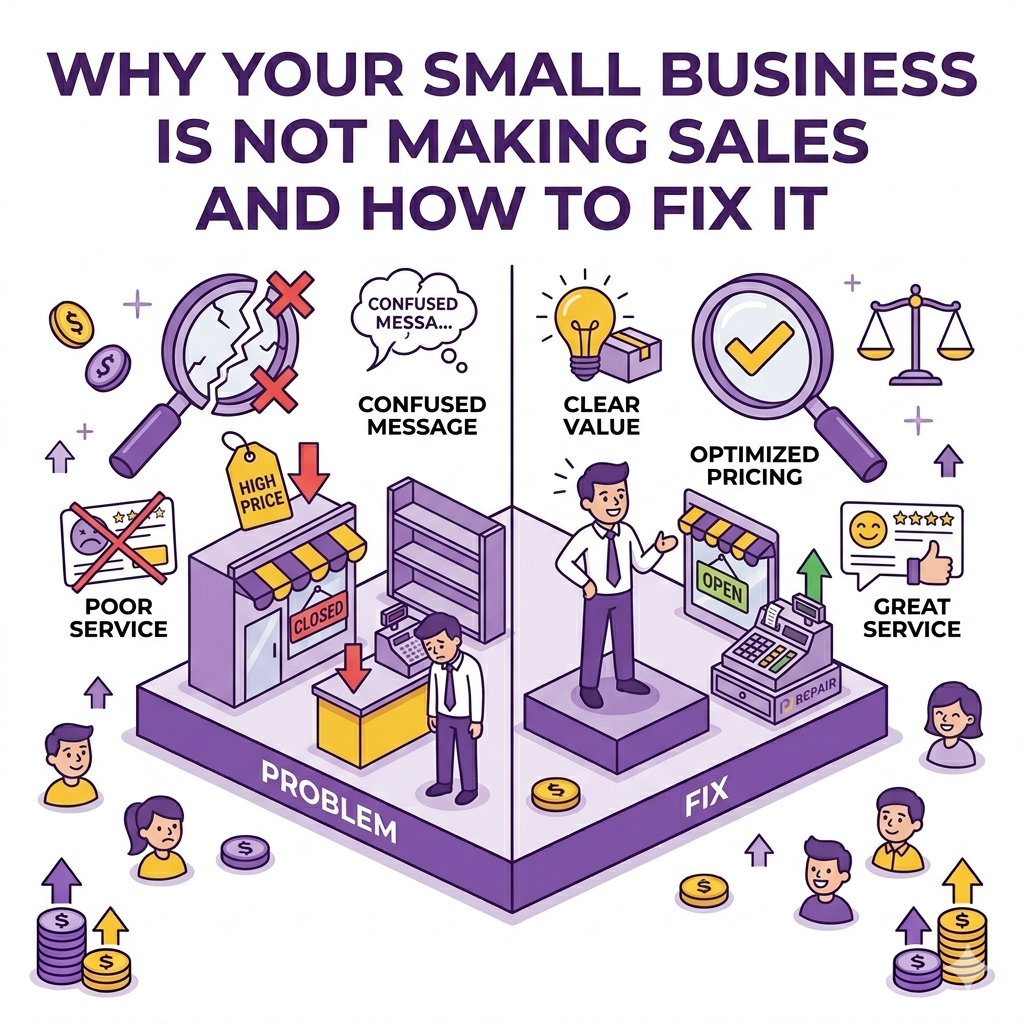
INTRODUCTION: THE FRUSTRATION OF LOW SALES IN SMALL BUSINESS

There is nothing more frustrating than putting in the work every single day and still not seeing results. You wake up early, post on social media, talk to people about your business, maybe even spend money on ads, yet at the end of the day, sales are either too low or completely absent. If you have ever asked yourself why your small business is not making sales, you are not alone.
I have worked with many small business owners who faced this exact situation. On the surface, everything looked right: good products, active social media pages, and even some level of engagement. But when we looked deeper, we discovered hidden issues that were quietly killing their sales.
Here is the truth most people don’t tell you: low sales in business are rarely caused by lack of effort. It is usually the result of specific mistakes in strategy, positioning, or execution. This is why some businesses grow fast while others struggle, even when both are working equally hard.
In fact, many of the challenges you are facing right now are the same small business sales problems I have diagnosed repeatedly across different industries, from fashion brands to service providers and even online businesses. The good news is that once you identify the real problem, fixing it becomes much easier.
In this guide, I will break down the real reasons why your small business is not making sales and show you exactly how to fix low sales using practical strategies that actually work.
WHAT LOW SALES REALLY MEAN IN A SMALL BUSINESS
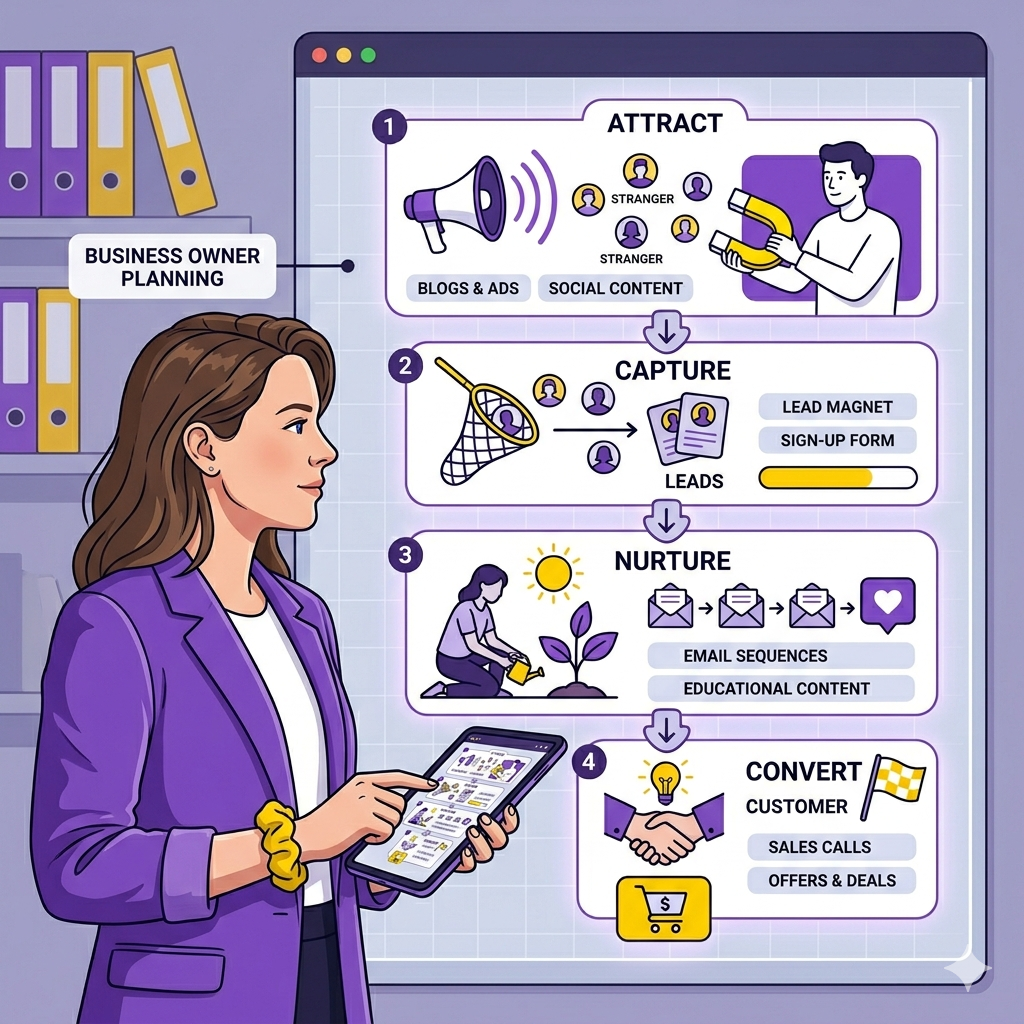
Before you can fix a sales problem, you need to understand what low sales actually mean. One mistake I see often is that business owners assume the problem is just “people are not buying,” but that is only the surface.
From my experience working with small businesses, low sales usually come from three core issues:
1. No Real Demand
Sometimes, the issue is simple but hard to accept; people are not interested in what you are selling. This happens when a product or service is created based on assumptions instead of real market needs.
I once worked with a small business owner who launched a product he personally loved. He invested time and money into it, but after months, sales were almost zero. When we analyzed the situation, we realized there was little to no demand for that specific product in his target market.
This is one of the biggest reasons why businesses struggle to get customers. The market must want what you are offering.
2. Poor Marketing and Visibility
Another common issue is that your business might be good, but people simply don’t know you exist.
You can have the best product in your niche, but without visibility, sales will always be low. This is where many entrepreneurs fall into small business marketing mistakes like posting inconsistently, using the wrong platforms, or relying only on ads without building organic reach.
If you are still figuring out how to build visibility the right way, I explained this in detail in my guide on how to market your small business in 2026, where I broke down practical strategies that do not require a big budget.
3. Weak or Unclear Offer
Sometimes the issue is not your product or your marketing, but how you present your offer.
Customers are constantly asking one question:
👉 “What problem does this solve for me?”
If your messaging is unclear or your offer does not feel valuable enough, people will hesitate to buy. This leads to one of the most common small business sales problems, where there is interest but no conversion.
This is also why having a structured plan matters. In my experience, businesses that take time to define their offer clearly and align it with customer needs tend to see faster results. If you need help structuring this properly, you can check my guide on how to create a winning business plan for startups.
The Key Takeaway
Low sales are not random. They are signals.
They are telling you that something in your business, whether it is demand, marketing, or your offer, needs to be fixed. Once you understand which of these is affecting you, you move from guessing to making informed decisions.
And that is where real growth begins.
REASON 1: YOU DON’T HAVE A CLEAR TARGET CUSTOMER

One of the fastest ways to kill sales in any business is trying to sell to everyone. It might sound like a smart move at first, more people mean more opportunities, right? But in reality, this approach is one of the main reasons why businesses struggle to get customers.
When your message is for everyone, it connects with no one.
I have seen this repeatedly while working with small business owners. A fashion brand says, “We sell for both men and women of all ages.” A service provider says, “I help anyone who needs my service.” On the surface, it sounds flexible, but in practice, it creates confusion.
Customers want to feel understood. They want to see themselves in your message. If your marketing is too broad, it becomes weak and forgettable.
The Problem with Selling to Everyone
Let me give you a real scenario. I once worked with a skincare business that was struggling with low sales. Their products were good, but their messaging was generic, “for all skin types.”
When we refined their target to focus specifically on people with acne-prone skin, everything changed. Their content became more specific, their messaging became clearer, and within weeks, engagement and sales started improving.
That is the power of clarity.
How to Define Your Ideal Customer
If you want to fix this, you need to clearly define who your business is for. This is one of the most important steps in learning how to increase small business sales.
Start by identifying:
- Age range
- Occupation or lifestyle
- Specific problems they are facing
- What they are actively searching for
- Where they spend time online
The more specific you are, the easier it becomes to create content, offers, and messaging that convert.
If you are unsure how to structure this properly, I broke it down in my guide on 9 small business growth strategies for beginners, where I explain how defining your audience directly impacts your growth.
What Happens When You Get This Right
Once your target customer is clear:
- Your content becomes more relevant
- Your marketing becomes more effective
- Your audience starts to trust you faster
- And most importantly, your sales begin to improve
This is one of the first adjustments I make when diagnosing small business sales problems, and it often leads to quick wins.
REASON 2: YOUR PRODUCT OR SERVICE DOES NOT SOLVE A REAL PROBLEM

Another major reason why your small business is not making sales is simple but critical: your product or service is not solving a strong enough problem.
This is one of the most common small business sales problems I encounter. Many entrepreneurs create products based on what they like instead of what the market actually needs. And the market only pays for solutions, not ideas.
The Real Issue: Value Mismatch
Customers don’t buy products; they buy solutions.
If your offer does not clearly solve a pain point, make life easier, save time, or deliver a strong result, people will hesitate. Even if they like your product, they won’t feel an urgent need to buy it.
I once worked with a small accessories brand that was struggling with low sales. Their products looked good, but there was nothing unique about them. When we analyzed the situation, we realized they were selling “just accessories,” not a solution.
We repositioned the brand to focus on “affordable luxury accessories for working professionals who want to look confident without overspending.” That small shift made the value clearer, and sales improved within weeks.
How to Know If Your Product Solves a Real Problem
Ask yourself these questions:
- What specific problem does my product solve?
- How urgent is that problem for my customer?
- Are people already searching for this solution?
- What makes my solution better or different?
If you struggle to answer these clearly, then your offer needs work.
You can also validate your idea by observing what people are searching for on platforms like Google Trends or by paying attention to customer conversations in your niche.
How to Fix This
To improve your sales, your offer must be problem-focused, not product-focused.
Here’s what I recommend based on experience:
- Refine your messaging to clearly state the problem you solve
- Highlight the transformation or result your customer will get
- Use real-life examples or testimonials to prove it works
- Focus on one strong offer instead of trying to sell everything at once
If you need a structured way to align your product with market demand, I explain this in detail in my guide on the 5 must-have elements of a small business marketing plan.
The Key Insight
When your product solves a real, urgent problem, selling becomes easier.
You stop convincing people to buy and start attracting people who are already looking for what you offer.
And that is a major shift when learning how to increase small business sales.
REASON 3: POOR MARKETING AND LOW VISIBILITY

You might have a great product. You might even understand your customer well. But if people don’t know your business exists, sales will remain low.
This is one of the most overlooked reasons why your small business is not making sales. Visibility is everything. No visibility means no attention, and no attention means no sales.
From my experience mentoring small business owners, this is where many fall into serious small business marketing mistakes. They either market inconsistently, use the wrong platforms, or rely only on ads without building a solid organic presence.
The Real Problem: People Don’t See You Enough
Marketing is not a one-time activity. It is a continuous process.
I once worked with a small clothing brand that complained about low sales. When I checked their social media, they were posting once every two weeks. There was no consistency, no engagement, and no clear message.
After implementing a simple strategy, posting 3 times a week, engaging with comments, and sharing customer stories, their visibility improved significantly. Within a short period, they started getting more inquiries and conversions.
The truth is simple:
👉 If people don’t see you, they won’t buy from you.
Signs You Have a Visibility Problem
- You rarely get inquiries or messages
- Your content has low reach and engagement
- New customers are not discovering your business
- Most of your sales come only from people who already know you
These are clear indicators of low sales in business caused by poor marketing.
How to Fix This
To improve visibility, you need to be intentional and consistent. Here are practical steps I recommend:
- Show up consistently on platforms where your audience spends time
- Create valuable content that educates, solves problems, or entertains
- Engage actively with your audience, reply to comments and messages
- Use tools like Google Business Profile to improve local visibility
- Track your performance using Google Analytics to understand what is working
If you want a deeper breakdown of how to build visibility without spending money, read my guide on how to market your small business in 2026, where I explained practical strategies step by step.
The Key Insight
Marketing is not about doing more; it is about doing the right things consistently.
When your visibility improves, more people discover your business, more people trust your brand, and naturally, more people buy.
This is a critical step in learning how to attract more customers to your business and overcome small-business sales problems.
REASON 4: YOUR PRICING STRATEGY IS WRONG
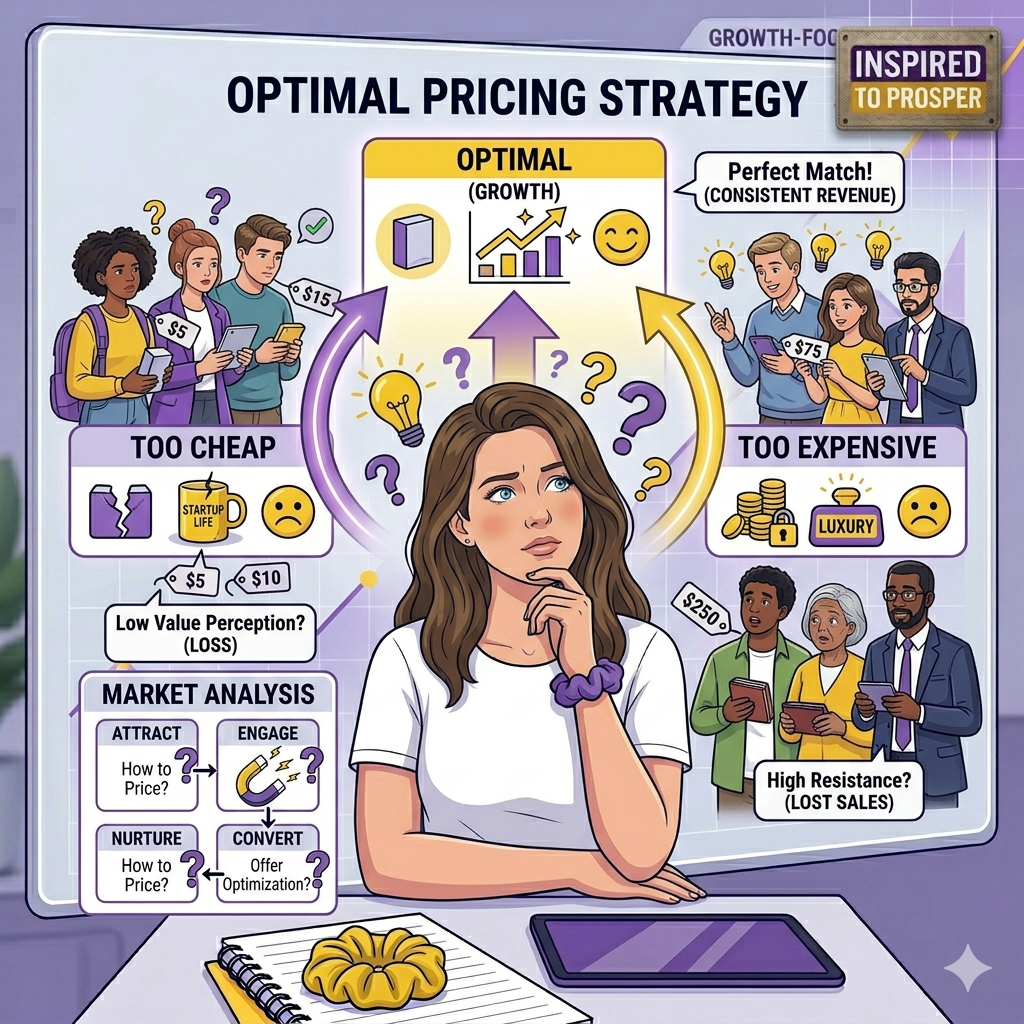
Pricing is one of the most sensitive parts of any business, and when it is wrong, it can quietly destroy your sales. Many entrepreneurs assume that lowering prices will automatically attract more customers, but from my experience, that is not always true.
In fact, poor pricing is one of the hidden reasons why your small business is not making sales.
The Two Common Pricing Mistakes
Most small business owners fall into one of these two traps:
1. Pricing Too Low
You think lower prices will bring more customers, but instead, it reduces your perceived value. Customers start to question the quality of your product or service.
I once worked with a service provider who kept lowering prices because of low sales. Instead of attracting more clients, it made things worse. When we repositioned the offer and increased the price slightly while improving the presentation, inquiries actually increased.
2. Pricing Too High Without Justification
On the other hand, some businesses price too high without clearly communicating the value. Customers don’t understand why they should pay that amount, so they simply walk away.
Understanding Pricing Psychology
Customers don’t just buy based on price; they buy based on perceived value.
This means:
- If your offer looks valuable, people are willing to pay more
- If your offer is unclear, even a low price feels expensive
This is why pricing must align with your messaging, branding, and the problem you solve.
How to Fix Your Pricing Strategy
If you are struggling with low sales in your business, here are practical steps to adjust your pricing:
- Clearly communicate the value and results your product delivers
- Compare your pricing with competitors in your niche
- Add bonuses or extras to increase perceived value
- Avoid competing only on price, focus on differentiation
I always advise business owners to first fix their offer before adjusting pricing. A strong offer with clear value makes selling much easier. If you need help structuring your offer properly, revisit the 5 must-have elements in a small business marketing plan, where I explained how positioning and value work together.
The Key Insight
Pricing is not just about numbers; it is about perception.
When your pricing reflects your value and your message is clear, customers feel confident buying from you. This is a key step in improving how to increase small business sales without constantly chasing customers.
REASON 5: YOU DON’T HAVE A SIMPLE SALES PROCESS
Another major reason why your small business is not making sales is that you don’t have a clear and simple sales process.
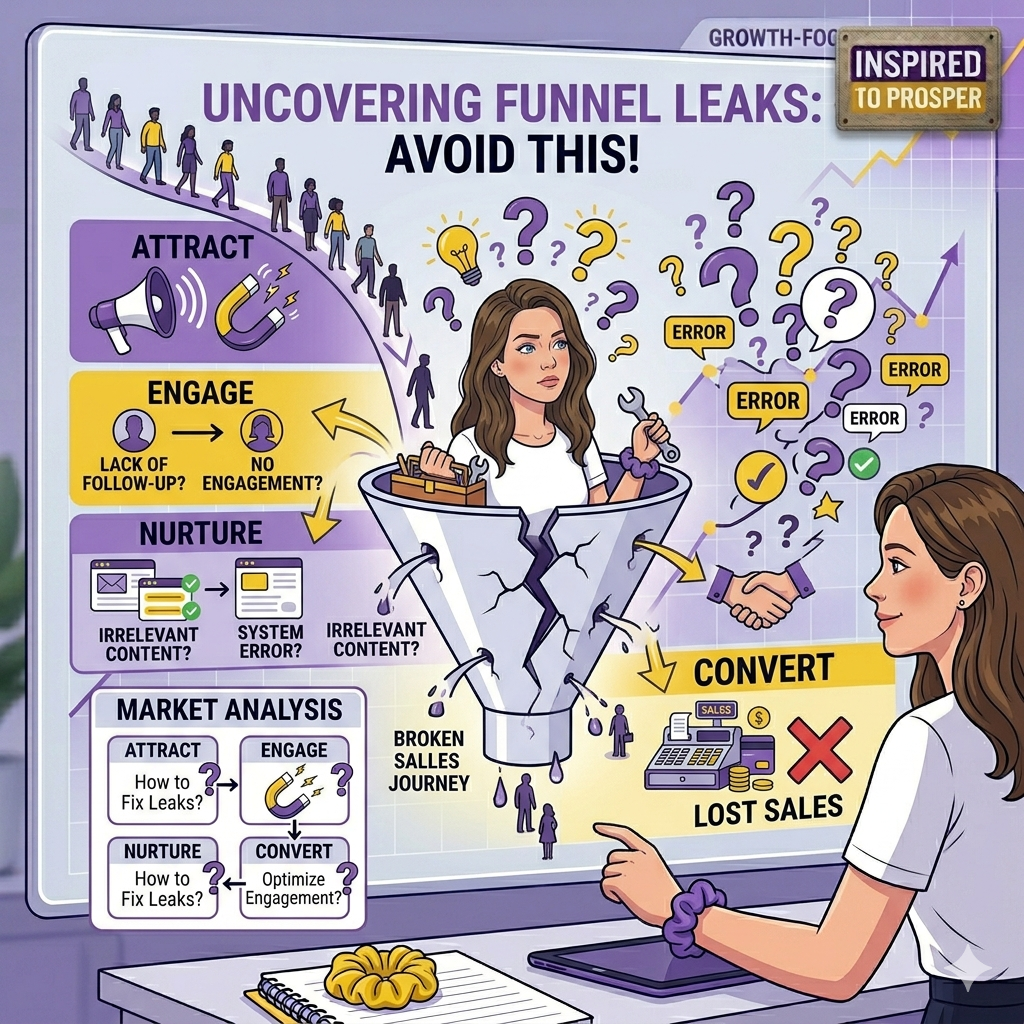
Many small business owners focus only on getting attention, posting content, running promotions, or talking to people, but they don’t have a structured way to convert that attention into actual paying customers.
This is where many leads are lost.
The Real Problem: No System, Just Hope
I’ve seen this pattern many times. A business gets messages like:
“Price?”
“Is this available?”
“Tell me more…”
But after replying, the conversation dies. No follow-up. No clear next step. No closing.
That is not a marketing problem; that is a sales process problem.
Without a system, you rely on luck. And sales should never depend on luck.
What a Simple Sales Process Looks Like
You don’t need anything complicated. A basic process is enough to improve results.
Here’s a simple structure I recommend when teaching sales strategies for small businesses:
- Attract attention – through content, referrals, or visibility
- Start conversation – respond quickly and professionally
- Understand the customer’s need – ask questions
- Present your offer clearly – explain value, not just price
- Close the sale – guide them to take action
- Follow-up – many sales happen after follow-up
Most businesses stop at step 2 or 3, and that is why they struggle.
Real Example
I once worked with a small service provider who was getting inquiries daily but converting very few into clients. When we reviewed their process, we found there was no follow-up system.
We introduced a simple follow-up message after 24 hours and another after 3 days. That alone increased their conversions significantly.
Sometimes, the problem is not getting customers, but losing them before they buy.
How to Fix This
If you want to improve your sales, focus on building a simple and repeatable process:
- Respond to inquiries quickly
- Use clear and confident communication
- Always guide the customer to the next step
- Follow up consistently without being pushy
If you are building your business structure from scratch, I also recommend reviewing how to create a winning business plan for startups, where I explain how to structure systems that support growth.
The Key Insight
Sales is not about luck; it is about process.
When you have a clear system, you stop guessing and start converting more of the people already interested in your business.
That is a major step in solving small business sales problems and learning how to increase small business sales effectively.
REASON 6: YOU ARE NOT BUILDING TRUST WITH YOUR AUDIENCE
One of the biggest silent killers of sales is a lack of trust. People may see your content, like your product, and even inquire, but if they don’t trust you enough, they won’t buy.
This is a major reason why your small business is not making sales, especially in today’s digital space, where customers have many options to choose from.
The Real Problem: No Proof, No Confidence
Customers are naturally skeptical, especially when dealing with small or new businesses.
I’ve worked with businesses that had good products and decent visibility, but still struggled with low sales in the business. When we looked closer, the issue was clear: there was no proof that the business could deliver results.
No testimonials.
No reviews.
No real customer experiences.
Without these, customers hesitate. And hesitation kills sales.
Why Trust Matters More Than Ever
Today, people don’t just buy products; they buy confidence.
Before making a purchase, most customers will:
- Check reviews
- Look at your social media presence
- Compare you with other options
- Look for proof that others have used and benefited from your offer
If they don’t find that proof, they move on.
This is why building trust is one of the most powerful sales strategies for small businesses.
How to Build Trust in Your Business
Here are practical ways I help business owners fix this:
- Collect testimonials from satisfied customers and share them regularly
- Encourage reviews on platforms like Google Business Profile
- Show real results, before and after, case studies, or customer feedback
- Be consistent with your brand voice and messaging
- Share behind-the-scenes content to humanize your business
For example, a small skincare brand I worked with started posting real customer results and testimonials consistently. Within a few weeks, inquiries increased because people could now see proof that the product worked.
If you want to structure your brand and messaging to build stronger trust, I recommend reading 9 Common Mistakes That Are Slowing Your Small Business Growth, where I explained how weak positioning affects customer confidence.
The Key Insight
Trust reduces resistance.
When customers trust you, they don’t overthink. They don’t hesitate. They buy.
Building trust is not optional; it is essential if you want to solve small business sales problems and consistently increase your sales.
REASON 7: YOU ARE NOT CONSISTENT ENOUGH
Consistency is one of the most underestimated factors in business growth. Many small business owners start strong, posting regularly, promoting their offers, and engaging with customers, but after a few weeks or months without immediate results, they slow down or stop completely.
This is a major reason why your small business is not making sales.
The Real Problem: Starting Strong, Finishing Weak
I’ve seen this pattern many times. A business posts consistently for one week, then disappears for two weeks, then comes back again. This inconsistency confuses your audience and weakens your brand presence.
Customers begin to forget you. Algorithms stop pushing your content. Engagement drops. And eventually, sales decline.
Consistency builds familiarity, and familiarity builds trust. Without it, growth becomes difficult.
Why Consistency Drives Sales
Marketing is not about one post or one promotion. It is about repeated exposure.
Most customers don’t buy the first time they see your business. They need to:
- See your content multiple times
- Understand your message
- Trust your brand
- Feel ready to make a decision
This is why consistency is directly tied to how to increase small business sales. The more consistently you show up, the more opportunities you create for customers to buy.
Real Example
I once worked with a small online vendor who complained about low engagement and no sales. When we reviewed their activity, they had posted only 5 times in one month.
We introduced a simple plan:
3 posts per week, consistent messaging, and regular engagement.
Within a few weeks, their visibility improved, inquiries increased, and sales started coming in.
It wasn’t magic. It was consistency.
How to Fix This
If you are struggling with low sales in business, here’s what I recommend:
- Create a simple content schedule you can maintain
- Focus on quality and consistency, not perfection
- Show up regularly on the platforms your audience uses
- Stay committed even when results are slow at the beginning
If you need ideas on what to post consistently, you can explore strategies in 11 essential tools that support small business growth in 2026, where I shared tools that help simplify content creation and planning.
The Key Insight
Growth takes repetition.
The businesses that win are not always the most talented; they are the most consistent.
When you show up consistently, you stay visible, build trust, and gradually improve your chances of getting more customers.
REASON 8: YOU RELY ON ONE MARKETING CHANNEL ONLY
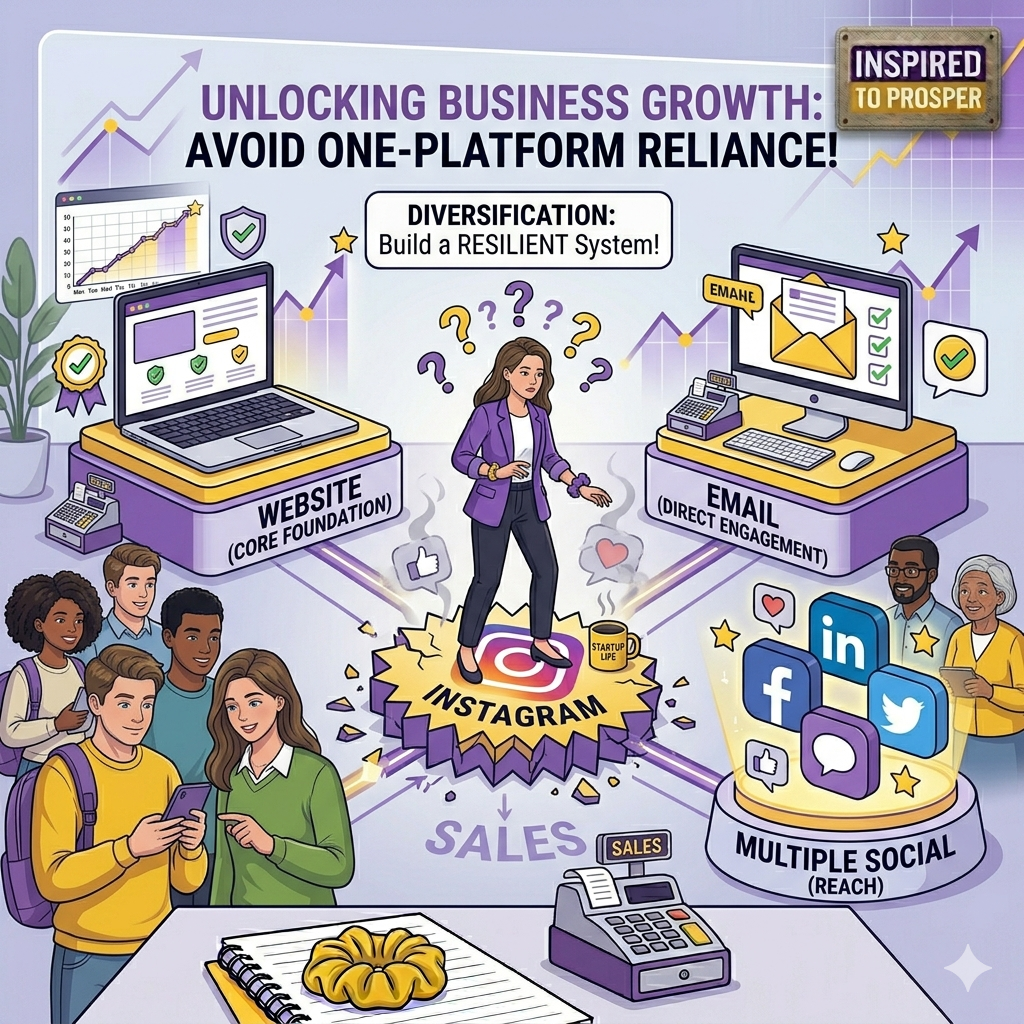
Another major reason why your small business is not making sales is that it depends on just one platform to bring in customers.
Many small business owners build their entire business on one channel, maybe Instagram, Facebook, or WhatsApp. At first, it works. You get engagement, a few inquiries, and even some sales. But over time, things slow down, and suddenly, growth becomes unpredictable.
The Real Problem: Platform Dependency
Relying on one channel is risky.
Algorithms change. Reach drops. Accounts get restricted. Trends shift. And when that happens, your business suffers immediately.
I’ve seen businesses lose momentum overnight because their only source of traffic stopped performing. This is one of the hidden small business sales problems that many people don’t realize until it’s too late.
Why You Need Multiple Channels
Customers are not in one place.
Some are on Instagram.
Some search on Google.
Some respond better to WhatsApp.
Others prefer email or referrals.
If you focus on only one platform, you limit your reach and reduce your chances of getting customers.
This is why diversification is key when learning how to get more customers for your business.
Real Example
I worked with a small fashion brand that relied only on Instagram. When their engagement dropped, their sales dropped immediately.
We expanded their strategy by:
- Setting up a Google Business Profile
- Creating simple blog content
- Building a WhatsApp customer list
Within a few weeks, they started getting inquiries from different sources, not just Instagram. That stability improved their overall sales performance.
How to Fix This
To avoid this mistake, focus on building multiple channels gradually:
- Social media (Instagram, Facebook)
- Search visibility (Google, blog content)
- Direct communication (WhatsApp, email)
- Referrals and word-of-mouth
You don’t need to do everything at once. Start with one strong channel, then expand step by step.
If you want a clear roadmap on combining different growth channels, check 9 small business growth strategies for beginners, where I explained how to build a balanced growth system.
The Key Insight
Never build your business on borrowed ground alone.
When you diversify your marketing channels, you reduce risk, increase visibility, and create more opportunities to generate sales consistently.
HOW TO FIX LOW SALES IN YOUR SMALL BUSINESS FAST
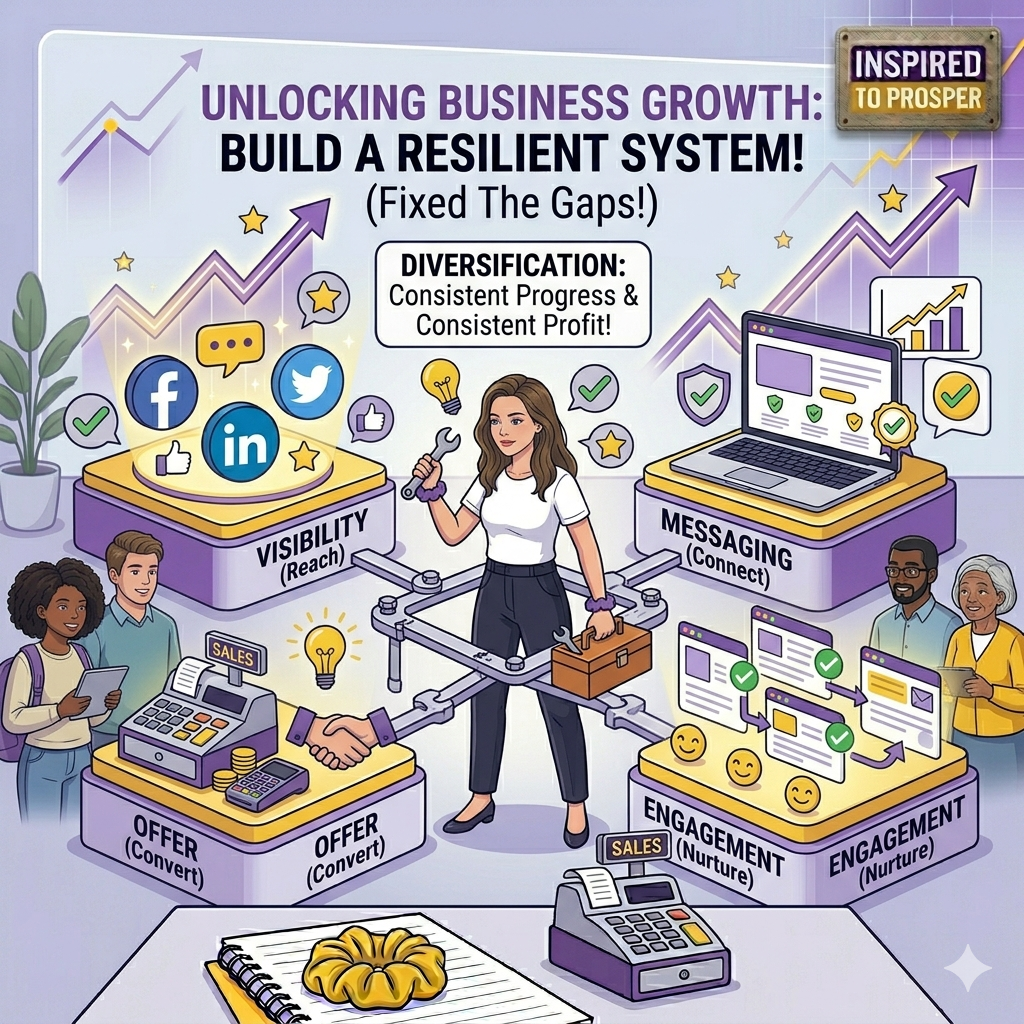
Now that you understand the real reasons why your small business is not making sales, the next step is taking action. The truth is, you don’t need to fix everything at once. You just need to focus on the right things first.
From my experience, when small business owners apply a few targeted changes, they start seeing results faster than expected. Here’s a simple, practical approach to how to fix low sales and start improving your results immediately.
1. Improve Your Visibility
If people don’t see your business, they can’t buy from you.
Start by showing up consistently:
- Post valuable content regularly
- Engage with your audience
- Optimize your Google Business Profile
- Use platforms where your customers already spend time
If visibility is your main issue, revisit how to market your small business in 2026, where I shared practical strategies to grow without ads.
2. Fix Your Messaging
Many businesses are not clear about what they offer or who they serve.
Your message should clearly answer:
👉 Who is this for?
👉 What problem does it solve?
👉 Why should I choose you?
When your messaging improves, customers understand your value faster, and that directly impacts how to increase small business sales.
3. Focus on One Strong Offer
Trying to sell too many things at once can confuse your audience.
Instead:
- Focus on one main product or service
- Make it clear, attractive, and easy to understand
- Highlight the results it delivers
A clear offer converts better than a scattered one.
4. Engage Your Audience Actively
Don’t just post and disappear.
- Reply to messages quickly
- Ask questions in your content
- Start conversations
- Follow up with potential customers
Sometimes, the difference between no sales and consistent sales is simple engagement.
5. Track and Improve What Works
You cannot improve what you don’t measure.
Use tools like Google Analytics to track your performance and understand what content or strategies are bringing results. Then do more of what works.
The Key Insight
Fixing low sales is not about doing everything. It is about doing the right things consistently.
When you improve visibility, clarify your message, and focus on a strong offer, you create a system that attracts and converts customers.
This is how you move from struggling with low sales in business to building a steady flow of customers.
PRACTICAL DAILY ACTION PLAN TO START MAKING SALES
Knowing what to do is important, but execution is what actually changes your results. One of the biggest gaps I see with small business owners is not having a simple daily plan to follow.
If you’re serious about fixing why your small business is not making sales, you need consistent daily actions that move your business forward. This is how you transition from guessing to actually learning how to get more customers for your business.
A Simple Daily Action Plan You Can Follow
You don’t need to overcomplicate things. Start with this structure:
1. Create and Post Valuable Content (30–60 minutes)
Every day or at least 4–5 times a week, create content that:
- Educates your audience
- Solves a problem
- Shows your product or service in action
This is one of the most effective ways to build visibility and trust over time. If you need tools to make this easier, check the 11 essential tools that support small business growth in 2026, where I shared tools that simplify content creation.
2. Engage With Your Audience (20–30 minutes)
Don’t just post and leave.
- Reply to comments and messages
- Engage with other posts in your niche
- Start conversations
This builds relationships and increases your chances of converting followers into customers.
3. Reach Out to Potential Customers (20–30 minutes)
Most small business owners ignore this step, but it is powerful.
- Follow up with previous inquiries
- Reach out to warm leads
- Offer help, not just sales
This is one of the fastest ways to improve how to increase small business sales because you are directly connecting with people who already have an interest.
4. Improve Your Offer or Messaging (10–15 minutes)
Each day, look for ways to improve how you present your business:
- Make your offer clearer
- Adjust your pricing or positioning
- Refine your messaging
Small improvements here can lead to big changes in results.
5. Learn and Adjust (10–15 minutes)
Spend a few minutes reviewing what worked:
- Which content performed well?
- What questions are customers asking?
- Where are you losing potential sales?
Use tools like Google Analytics to guide your decisions and improve over time.
The Key Insight
You don’t need more time; you need a better structure.
When you follow a simple daily plan like this, your marketing becomes consistent, your visibility improves, and your chances of getting customers increase.
This is how you move from struggling with low sales in business to building a predictable system for growth.
COMMON SALES MISTAKES SMALL BUSINESS OWNERS MUST AVOID
Even when you’re working hard, certain mistakes can quietly hold your business back. I’ve seen many small business owners do almost everything right, yet struggle with low sales in their business because of a few critical errors.
If you truly want to fix why your small business is not making sales, you need to identify and eliminate these mistakes early.
1. Ignoring Customer Feedback
Your customers are constantly giving you clues about what works and what doesn’t.
When people ask questions, complain, or hesitate before buying, they are revealing gaps in your offer or messaging. Ignoring this feedback is one of the fastest ways to stay stuck.
Smart business owners listen, adjust, and improve.
2. Copying Competitors Blindly
It’s easy to look at what others are doing and try to copy it. But what works for them may not work for you.
Different audiences, different positioning, different strategies.
I’ve worked with business owners who copied pricing, content style, and offers from competitors, and ended up confusing their own audience.
Instead of copying, understand your market and build your own strategy. If you need guidance, revisit 9 small business growth strategies for beginners, where I explained how to build a strategy that fits your business.
3. Not Tracking Results
Many small business owners operate blindly. They post content, run promotions, and try different ideas without tracking what is working.
This leads to wasted effort and slow growth.
Using tools like Google Analytics helps you understand where your traffic is coming from and what is driving results.
Tracking allows you to focus on what actually works and eliminate what doesn’t.
4. Focusing Only on Selling
Another mistake is constantly pushing products without building relationships.
Customers don’t want to feel like they are being sold to all the time. They want value, trust, and connection.
This is why combining content, engagement, and value-driven marketing is essential when learning how to increase small business sales.
The Key Insight
Avoiding mistakes is just as important as applying strategies.
When you eliminate these common errors, your marketing becomes clearer, your messaging improves, and your chances of converting customers increase significantly.
This is how you start solving real small business sales problems and move your business forward with confidence.
FREQUENTLY ASKED QUESTIONS ABOUT LOW SALES IN BUSINESS
When it comes to sales, most small business owners have similar concerns. Over time, I’ve noticed the same questions come up again and again during consultations. Let’s address them clearly so you can better understand why your small business is not making sales and what to do about it.
1. Why is my business not making sales?
There is no single answer. In most cases, it’s a combination of factors like:
- Not understanding your target customer
- Poor visibility and inconsistent marketing
- Weak or unclear offer
- Lack of trust and social proof
These are the core small business sales problems that need to be fixed step by step. Once you identify the main issue, improving your sales becomes much easier.
2. How long does it take to get your first customers?
It depends on your strategy and consistency.
Some businesses get their first customers within weeks, while others take months. From experience, businesses that focus on visibility, clear messaging, and consistent engagement tend to grow faster.
If you’re just starting, you can also explore 12 low-capital businesses you can start with $100 in 2026 to ensure you’re building on a solid foundation.
3. Can a business succeed without ads?
Yes, absolutely.
Many small businesses grow using organic strategies like content marketing, referrals, and social media engagement. Ads can help, but they are not a requirement.
If you want to learn how to grow without spending money, read how to market your small business in 2026, where I explained practical steps in detail.
4. What is the fastest way to increase sales?
The fastest way is to focus on what already works:
- Improve your visibility
- Follow up with existing leads
- Strengthen your offer
- Build trust with your audience
These actions directly impact how to increase small business sales without needing complex strategies.
The Key Insight
Most sales challenges are not unique. They are patterns.
Once you understand these patterns and apply the right strategies, you move from confusion to clarity, and from low sales to consistent growth.
FINAL THOUGHTS: SALES IS A SYSTEM, NOT LUCK
At this point, one thing should be very clear: sales are not random. They are not based on luck, and they are not reserved for “lucky” businesses.
If you’ve been wondering why your small business is not making sales, the answer is not that your business is doomed. It simply means something in your system needs to be fixed.
From everything we’ve covered, the pattern is obvious. Low sales usually come from:
- Lack of clarity about your target customer
- Weak or unclear offer
- Poor visibility and inconsistent marketing
- No structured sales process
- Lack of trust and proof
- Inconsistency over time
The good news is that every one of these can be improved.
Shift Your Mindset: From Guessing to Strategy
One of the biggest transformations I see in small business owners is when they stop guessing and start thinking strategically.
Instead of asking:
👉 “Why is nothing working?”
You start asking:
👉 “Which part of my system needs improvement?”
That shift alone puts you ahead of many struggling businesses.
Build a System That Works
To grow consistently, you need a simple system:
- Attract attention (visibility)
- Build trust (content and proof)
- Convert customers (clear offer and process)
- Follow up and retain customers
When these parts work together, your business becomes more predictable and stable.
If you want to go deeper into building a complete growth system, I recommend exploring 9 small business growth strategies for beginners and 11 essential tools that support small business growth in 2026 to strengthen your foundation.
Final Takeaway
Sales is a system, not luck.
When you fix the right problems, stay consistent, and apply the right strategies, results will follow. It may not happen overnight, but it will happen.
Focus on progress, not perfection. Keep improving, keep showing up, and keep learning.
That is how you move from struggling with low sales in business to building a business that grows with confidence.