

INTRODUCTION: THE COSTLY MISTAKE MOST NEW ENTREPRENEURS MAKE
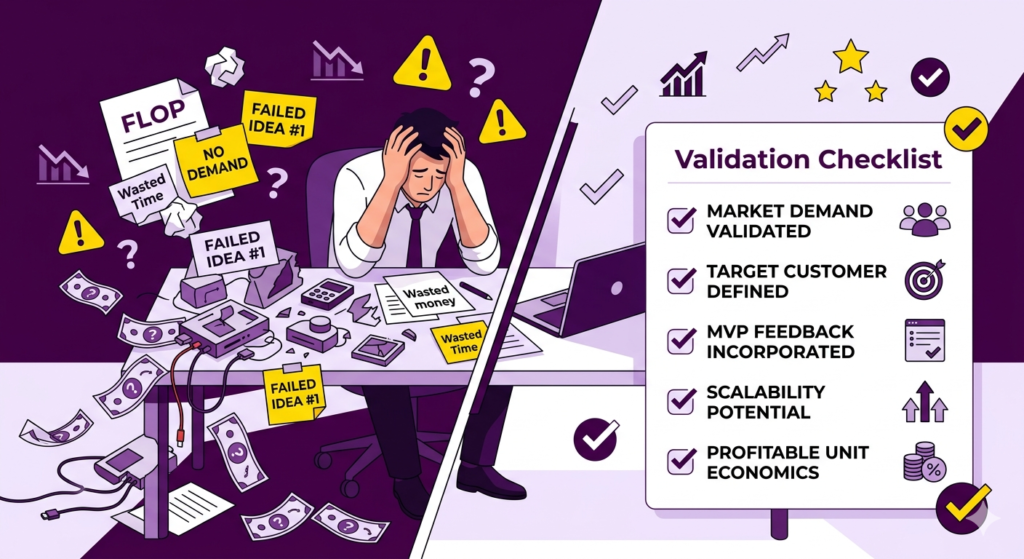
Learning how to validate a business idea before investing money is one of the most important skills any entrepreneur can develop. Yet many people do the exact opposite. They spend months creating products, building websites, designing logos, renting offices, or buying inventory before finding out whether customers actually want what they are selling.
This costly mistake is one of the biggest reasons new businesses fail. The problem is not always a lack of passion, effort, or even funding. In many cases, entrepreneurs invest heavily in ideas that solve problems nobody cares about or create products that customers are not willing to pay for.
Think about the number of online stores that launch with hundreds of products but struggle to make a single sale. Or the startup founder who spends thousands developing an app only to discover there is little market demand. These situations happen every day because people assume their idea will work instead of testing it first.
The truth is that excitement is not evidence. Just because you believe your idea is great does not mean the market agrees. Successful entrepreneurs understand that validation comes before investment. They gather proof, test assumptions, and listen to potential customers before committing significant time and money.
This approach can save you from expensive mistakes while increasing your chances of building a profitable business. In fact, validating your idea early can help you identify opportunities, improve your offer, and attract customers faster once you launch.
In this guide, I will walk you through a practical step-by-step framework for business idea validation. By the end, you will know how to test demand, gather customer feedback, measure market interest, and make smarter decisions before investing your hard-earned money.
WHAT BUSINESS IDEA VALIDATION REALLY MEANS
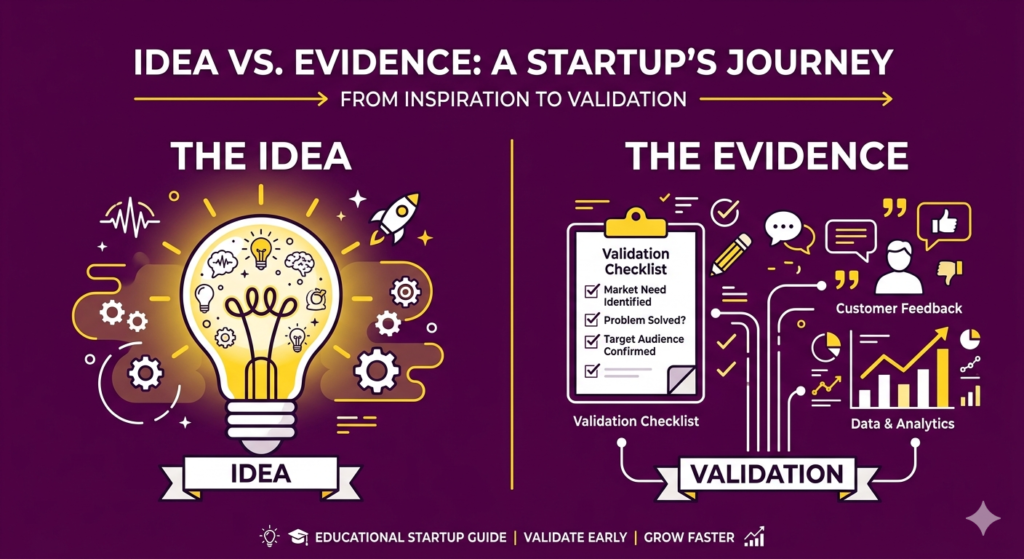
Business idea validation is the process of collecting real evidence to determine whether people are interested in your product, service, or solution before you invest significant time and money into it. Simply put, it is the difference between guessing and knowing.
Many aspiring entrepreneurs make the mistake of relying on assumptions. They assume customers have a particular problem. They assume people will buy their solution. They assume the market is large enough to support the business. Unfortunately, assumptions can be expensive. Validation helps replace those assumptions with facts.
One of the most important lessons I have learned is that enthusiasm is not the same as demand. You can be excited about an idea and still struggle to find customers. In fact, some of the most passionate entrepreneurs fail because they focus on what they want to build instead of what customers actually need.
Think of startup idea validation as conducting research before investing. Just as a smart investor studies a company before buying shares, a smart entrepreneur studies the market before launching a business. The goal is to discover whether a real problem exists, whether enough people experience that problem, and whether they are willing to pay for a solution.
Validation can take many forms. It may involve customer interviews, surveys, competitor research, keyword research, landing pages, pre-orders, or simple prototype testing. The method matters less than the outcome. What you are looking for is evidence that supports your business idea.
This process should happen before major investments such as building a product, purchasing large amounts of inventory, hiring staff, or spending heavily on marketing. The more proof you gather early, the lower your risk becomes.
Ultimately, business idea validation is about making informed decisions. Instead of hoping your business will succeed, you create a system that helps you determine whether there is genuine market demand before moving forward.
WHY SO MANY PEOPLE INVEST IN THE WRONG BUSINESS IDEAS
Every year, thousands of entrepreneurs lose money pursuing business ideas that never gain traction. The surprising part is that many of these failures could have been avoided with proper business idea research and validation. So why do so many people still invest in the wrong opportunities?
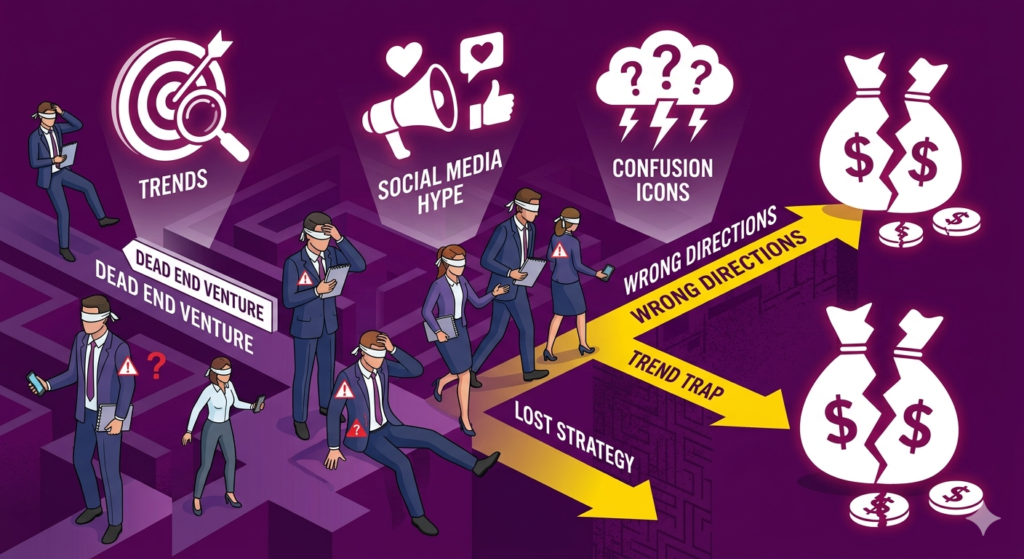
One major reason is that entrepreneurs often fall in love with their ideas. They become emotionally attached to a product, service, or concept before confirming whether customers actually want it. When this happens, decisions are driven by excitement rather than evidence. Instead of asking, “Will people buy this?” they focus on proving themselves right.
Another common mistake is ignoring market demand. An idea may sound innovative, but innovation alone does not guarantee success. Businesses grow when they solve real problems for real people. If there is no demand, even the most creative idea can struggle to survive.
Many entrepreneurs also make the mistake of blindly following trends. They see a business model becoming popular on social media and immediately jump in without understanding the market. While trends can create opportunities, entering a crowded space without research often leads to disappointment.
Building before gathering customer feedback is another costly error. Some founders spend months creating products, developing websites, or purchasing inventory before talking to a single potential customer. By the time they launch, they discover the market wants something completely different.
Family and friends can unintentionally contribute to the problem. Because they want to be supportive, they may tell you your idea is great even when they would never personally buy it. Positive feedback feels good, but it is not a substitute for honest market validation.
Here are some warning signs that your business idea may need more validation:
- You cannot clearly identify your target customer.
- Nobody is actively searching for the solution you offer.
- You have not spoken to potential buyers.
- Your confidence is based mainly on personal belief.
- You are investing money before collecting market evidence.
- The business model is unclear or difficult to explain.
The good news is that these mistakes are avoidable. The next step is learning how to identify problems that people are actively looking to solve.
STEP 1: IDENTIFY A REAL PROBLEM WORTH SOLVING
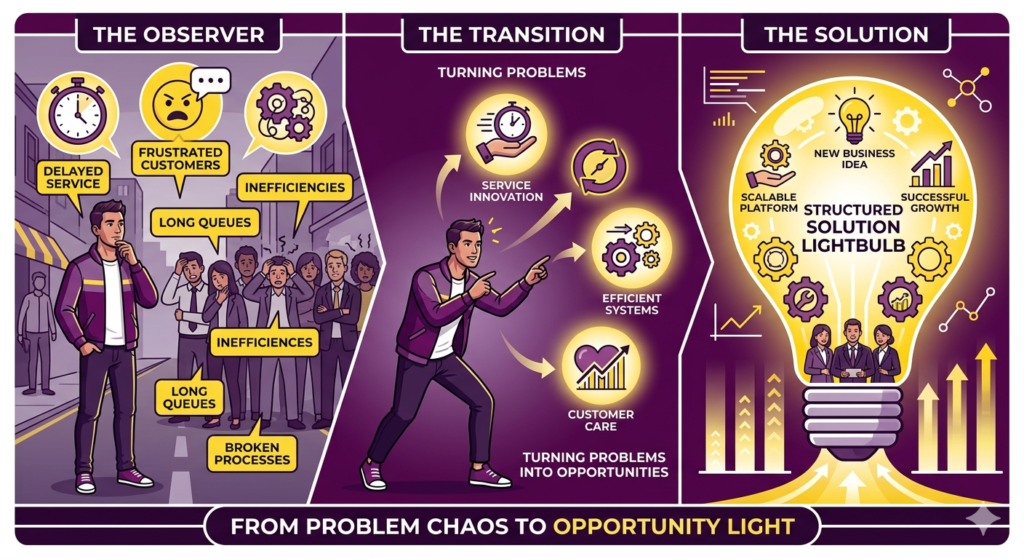
The foundation of every successful business is a problem that people genuinely want solved. Before you validate a product idea, create a service, or spend money on marketing, you need to determine whether the problem you’re addressing is important enough for customers to take action.
Many new entrepreneurs start with a product-first mindset. They come up with a product they think is interesting and then try to find customers for it. Successful businesses often work the other way around. They start by identifying a problem and then create a solution.
Think about some of the world’s most successful companies. They did not succeed because they randomly created products. They succeeded because they solved specific problems. Food delivery services solve the inconvenience of getting meals. Accounting software helps businesses manage finances more efficiently. Project management tools help teams stay organized and productive.
The best business opportunities are often hiding in everyday frustrations. Pay attention to situations where people complain, struggle, waste time, lose money, or search for alternatives. These frustrations can reveal valuable business opportunities.
For example, imagine a small business owner struggling to create professional social media graphics. That frustration creates an opportunity for graphic design services, templates, or training. Similarly, a startup founder who finds business planning overwhelming may benefit from consulting services or ready-made business plan templates.
Before moving forward with any idea, ask yourself these questions:
- What specific problem does this business solve?
- Who experiences this problem most often?
- How frequently does the problem occur?
- How serious is the problem?
- What are people currently doing to solve it?
- Are they spending money on existing solutions?
The stronger and more painful the problem, the easier it becomes to attract paying customers.
A useful exercise is to write down the problem in one sentence. If you struggle to clearly explain the problem, you may need more research before proceeding. The clearer the problem, the easier it becomes to validate demand and build a solution people actually want.
If you are still exploring opportunities, our guide on starting a business with no money can help you identify low-risk opportunities that solve real market needs: HOW TO START A BUSINESS WITH NO MONEY IN 2026: THE COMPLETE BOOTSTRAPPING BLUEPRINT
Remember, customers rarely buy products. They buy solutions to problems. The sooner you focus on the problem, the stronger your validation process will become.
STEP 2: RESEARCH WHETHER PEOPLE ARE ALREADY LOOKING FOR A SOLUTION

Once you have identified a problem worth solving, the next step is finding out whether people are actively searching for a solution. This is one of the most important stages of market validation for startups because it helps you determine whether real demand exists.
A simple rule I like to follow is this: if people are spending time looking for solutions, there is usually a market opportunity worth exploring. If nobody is searching, discussing, or complaining about the problem, you should investigate further before investing.
Start with Google. Search for keywords related to the problem your business aims to solve. Pay attention to the number and quality of results that appear. If dozens of businesses, articles, videos, and discussions are already addressing the problem, it often indicates existing demand.
You can also use tools like Google Trends (trends.google) to see whether interest in a topic is growing, declining, or remaining stable over time. Growing search interest may signal an emerging opportunity, while a declining trend could indicate a shrinking market.
Another valuable source of information is online communities. Facebook Groups, Reddit, Quora, and industry-specific forums allow you to observe real conversations between potential customers. Look for recurring complaints, frequently asked questions, and discussions about existing solutions.
For example, if you want to start a social media management business, join groups where small business owners discuss marketing challenges. If dozens of people are asking how to get more customers, improve engagement, or create content consistently, you have evidence that these problems exist.
Competitor research also plays an important role at this stage. Study businesses already serving the market. Read customer reviews on their websites, social media pages, and marketplaces. Positive reviews reveal what customers value, while negative reviews expose opportunities to improve existing solutions.
When conducting business idea research, focus on finding evidence, not confirmation. Avoid looking only for information that supports your idea. Instead, look for honest signs that people are actively seeking help.
The goal of this step is simple: prove that the problem exists beyond your own assumptions. When you see people searching, discussing, and spending money on solutions, you move one step closer to validating demand before launching your business.
STEP 3: STUDY YOUR COMPETITORS BEFORE SPENDING MONEY
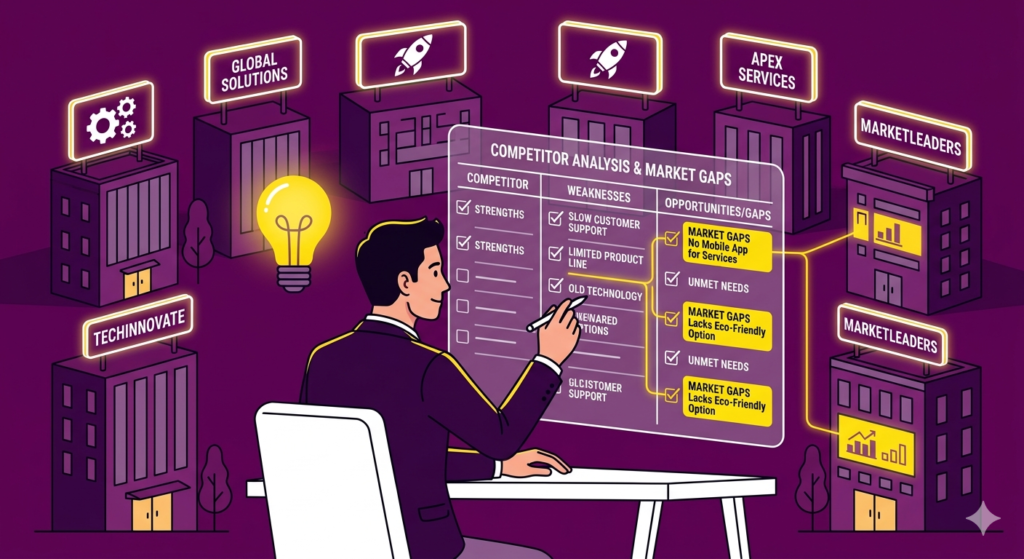
Many new entrepreneurs see competition as a warning sign. In reality, competition is often a good thing. If other businesses are already serving a market, it usually means customers are willing to spend money on solutions. A market with no competition can sometimes be riskier than a crowded one because it may indicate a lack of demand.
When learning how to validate a business idea, competitor research can provide valuable insights without costing you anything. Your competitors have already spent time and money testing the market. By studying them, you can learn what works, what does not, and where opportunities exist.
Start by identifying three to five businesses that offer similar products or services. Visit their websites, social media pages, and online reviews. Pay attention to their messaging, pricing, customer feedback, and overall positioning.
A simple competitor research framework includes the following questions:
What are they doing well?
Look for strengths that attract customers. This may include excellent customer service, clear branding, helpful content, or competitive pricing.
What complaints do customers have?
Negative reviews are often gold mines for business idea validation. They reveal gaps in the market that you may be able to fill.
Who are they targeting?
Understanding your audience can help you identify underserved customer segments.
How do they make money?
Study their pricing structure, offers, subscriptions, packages, or upsells.
What makes them different?
Every successful business has a unique angle. Understanding their differentiation can help you develop your own.
One important lesson is that you do not need to reinvent the wheel. Many successful businesses win by offering a better experience, solving a specific niche problem, or serving a particular audience more effectively.
For example, instead of creating another general marketing agency, you might focus specifically on helping local restaurants grow their online presence. That specialization alone can help you stand out.
Competition should not discourage you. It should educate you. The goal is not to copy competitors but to identify opportunities where you can create greater value and meet customer needs more effectively.
STEP 4: TALK TO POTENTIAL CUSTOMERS BEFORE YOU BUILD ANYTHING
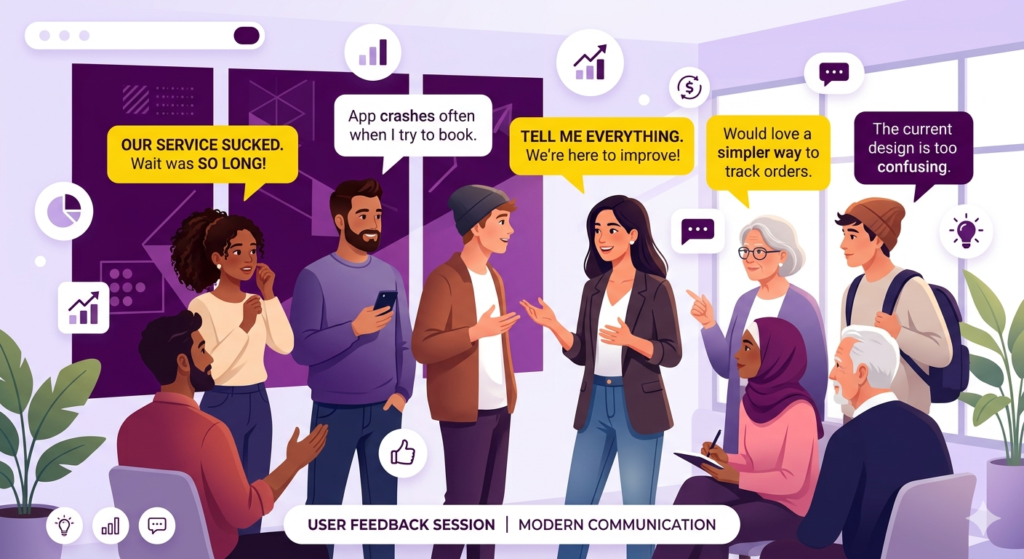
One of the fastest ways to validate a business idea is to talk directly to the people you hope will eventually become your customers. Yet this is also one of the most overlooked steps in the entire validation process.
Many entrepreneurs spend months planning, building, and perfecting products without having a single conversation with their target audience. The result is often a product that solves the wrong problem or fails to meet customer expectations.
Customer conversations help you move beyond assumptions and understand what people truly need. They allow you to discover their frustrations, goals, buying habits, and opinions about existing solutions.
The good news is that these conversations do not need to be complicated. You can conduct customer interviews through phone calls, video meetings, social media messages, community groups, or even face-to-face discussions.
When speaking with potential customers, avoid trying to sell your idea immediately. Your goal is to learn, not persuade. The more honest the feedback, the more valuable the information becomes.
Here are some questions that can help guide your conversations:
- What is your biggest challenge regarding this problem?
- How are you currently solving it?
- What do you dislike about existing solutions?
- How often do you experience this issue?
- How much does this problem affect your daily activities or business?
- Have you ever paid for a solution before?
- What would an ideal solution look like?
Notice that these questions focus on the customer’s experiences rather than your business idea. This approach reduces bias and encourages honest responses.
One common mistake entrepreneurs make is asking leading questions such as, “Would you buy my product?” Most people will respond politely, but their answer may not reflect what they would actually do with their money.
Instead, focus on understanding past behavior. People often reveal more through what they have already done than what they say they might do in the future.
If you are planning to launch a service business, customer conversations can also help you identify your first paying clients. In fact, many entrepreneurs find their first customers through networking and direct outreach. If you need help with that stage, our guide on getting your first customers offers practical strategies: First 10 Customers in 30 Days: A Practical Guide for New Small Businesses
The more conversations you have, the clearer your market becomes. Customer feedback is one of the most powerful tools available for startup idea validation, and it costs little more than your time.
STEP 5: TEST YOUR IDEA WITH A SIMPLE MVP

After researching the market and speaking with potential customers, the next step is to test your idea in the real world. This is where an MVP, or Minimum Viable Product, becomes incredibly valuable.
An MVP is the simplest version of your product or service that allows you to gather feedback from real customers. The goal is not to create a perfect solution. The goal is to learn as quickly and cheaply as possible.
One of the biggest mistakes entrepreneurs make is spending months building a complete product before testing whether people actually want it. A simple MVP helps you validate a product idea without risking large amounts of time and money.
The type of MVP you create will depend on your business model.
For a service business, your MVP could be offering the service manually to a small group of clients before investing in systems or hiring a team.
For an online course, it might be a live workshop instead of a fully recorded program.
For a software product, it could be a simple prototype or demo rather than a fully developed application.
For an e-commerce business, it might mean listing a few products and testing demand before purchasing large amounts of inventory. If you are considering this route, our guide on how to start an e-commerce business can help you avoid costly beginner mistakes: How to Start an E-commerce Business in 2026 (Step-by-Step for Beginners)
Another effective MVP strategy is creating a landing page. A landing page explains your offer and allows visitors to take action, such as joining a waitlist, requesting more information, or placing a pre-order. If people are willing to sign up before the product even exists, that is a strong indicator of market interest.
Pre-orders can be especially powerful because they test real buying intent. Someone joining a waitlist shows interest. Someone willing to pay in advance shows commitment.
I have seen many entrepreneurs save thousands of dollars simply by testing ideas through simple MVPs before making major investments. Some discover strong demand and move forward confidently. Others realize the idea needs adjustments before launch.
Both outcomes are valuable.
Remember, the purpose of an MVP is not to impress people. It is to collect evidence. The faster you can put a simple version of your solution in front of potential customers, the faster you can determine whether your business idea deserves further investment.
STEP 6: MEASURE INTEREST BEFORE INVESTING HEAVILY
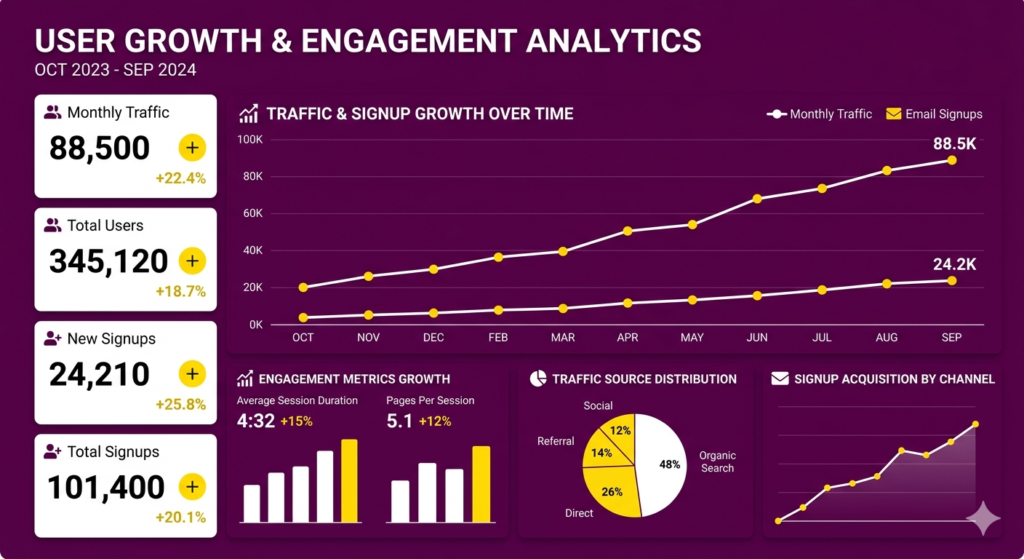
Once your MVP is in front of potential customers, the next step is to measure actual interest. This is where many entrepreneurs move from guessing to gathering real proof. Instead of relying on opinions, you begin collecting data that can help you make smarter business decisions.
The goal at this stage is simple: determine whether people are taking meaningful actions that indicate genuine interest in your offer.
One useful metric is website traffic. If people are consistently visiting your landing page, product page, or website after discovering your offer, it suggests there is curiosity about your solution. While traffic alone does not guarantee sales, it can indicate that your message is attracting attention.
Email signups are another strong validation signal. When someone willingly provides their email address, they are expressing a level of interest that goes beyond simply viewing your content. Building a waitlist before launch can help you gauge demand and create an audience for future marketing efforts.
Pre-launch waitlists can be particularly valuable for startup idea validation. If dozens or even hundreds of people join your waitlist, it provides evidence that the problem you are solving matters to your target audience.
Social media engagement can also offer useful insights. Comments, direct messages, shares, and questions often reveal whether people are genuinely interested in your solution. However, be careful not to confuse engagement with demand. A post can receive hundreds of likes without generating a single paying customer.
Another strong indicator is direct inquiries. If people are asking about pricing, availability, delivery timelines, or service details, they are often moving closer to a purchase decision.
The key is to focus on actions rather than opinions. Actions require effort, while opinions are easy to give.
As you collect data, document everything. Track website visits, signups, inquiries, waitlist growth, and customer conversations. These metrics provide evidence that can help you decide whether to move forward, improve your offer, or rethink your idea altogether.
Successful entrepreneurs do not invest heavily based on hope. They invest based on proof. The more evidence you gather before spending significant money, the lower your risk becomes and the stronger your business foundation will be.
STEP 7: VALIDATE WHETHER PEOPLE WILL ACTUALLY PAY
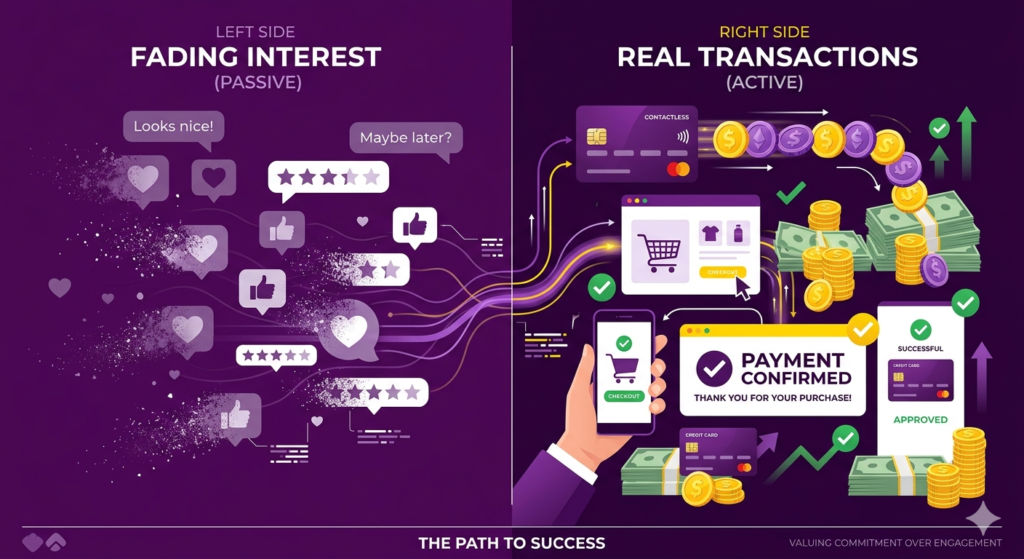
This is the step that separates interesting ideas from profitable businesses.
Many entrepreneurs successfully generate attention, social media engagement, website traffic, and even positive feedback. Unfortunately, none of those things automatically translates into revenue. The ultimate test of business idea validation is determining whether customers are willing to pay for your solution.
One of the biggest mistakes new entrepreneurs make is assuming that interest equals demand. Someone may like your post, join your email list, or tell you they love your idea. However, when it is time to spend money, their behavior may change completely.
This is why validating willingness to pay is critical before making major investments.
A simple way to test this is by making an offer. Instead of asking people whether they would buy, allow them to buy. Real purchasing decisions provide much stronger evidence than survey responses or verbal encouragement.
For service-based businesses, consider offering a pilot program to a small group of customers. Charge a reasonable fee and observe how many people are willing to commit. If customers are paying for the solution, you have a strong indication that the problem is valuable enough to solve.
For product-based businesses, pre-orders can be highly effective. Rather than manufacturing large quantities of inventory, allow customers to reserve products before they are produced. This approach helps validate demand while reducing financial risk.
Pricing tests can also provide valuable insights. Sometimes, customers love a solution but are unwilling to pay the price required to make the business profitable. Testing different price points early can help you identify a sustainable business model.
One useful mindset shift is to stop looking for compliments and start looking for commitments.
A compliment sounds like:
“That’s a great idea.”
A commitment sounds like:
“How can I buy it?”
The second response carries much more weight because it signals genuine buying intent.
If people consistently refuse to pay, do not view it as a failure. Instead, treat it as feedback. You may need to improve your offer, adjust your positioning, target a different audience, or solve a more urgent problem.
Many businesses struggle because they launch without validating revenue potential. In fact, one reason some companies fail to gain traction is that they focus on visibility before profitability. Our guide on why small businesses fail to make sales explores this challenge in greater detail: WHY YOUR SMALL BUSINESS IS NOT MAKING SALES (AND HOW TO FIX IT FAST)
At the end of the day, a business is not validated when people say they want it. A business is validated when people are willing to exchange money for the value it provides.
10 RED FLAGS THAT YOUR BUSINESS IDEA MAY NOT WORK
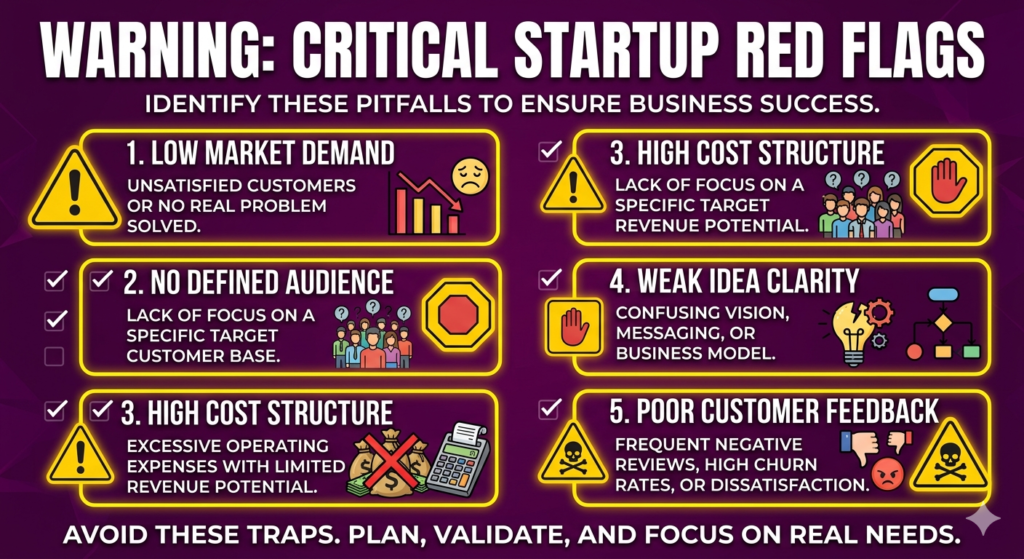
Not every business idea deserves your time, money, or energy. One of the goals of business idea validation is identifying warning signs early enough to avoid costly mistakes. While no single red flag automatically means an idea will fail, multiple warning signs should encourage you to slow down and investigate further.
Here are ten red flags every entrepreneur should watch for:
1. Nobody Is Searching for It
If people are not searching online for solutions related to your idea, there may be limited demand. While some innovative ideas create new markets, most successful businesses solve existing problems people are already trying to address.
2. No Clear Target Audience
If you cannot clearly describe who your ideal customer is, marketing and sales become much harder.
3. Weak Problem-Solving Value
Customers rarely spend money on solutions to minor inconveniences. The stronger the problem, the greater the opportunity.
4. No Willingness to Pay
People may show interest, but if nobody is willing to spend money, the business model becomes difficult to sustain.
5. Overcrowded Market With No Differentiation
Competition is healthy, but entering a saturated market without a unique advantage can make growth challenging.
6. Unclear Business Model
If you cannot explain how the business will consistently generate revenue, the idea may need further development.
7. Poor Customer Feedback
Consistent negative feedback during validation should never be ignored. It often highlights weaknesses that need fixing.
8. High Startup Costs Before Validation
Spending heavily before proving demand increases financial risk significantly. This is one reason many entrepreneurs struggle financially during the early stages of business.
9. No Repeat Demand
Businesses with repeat customers often have more stability and growth potential. If customers are unlikely to return, acquiring new buyers may become expensive.
10. You Cannot Explain It Simply
If it takes several minutes to explain what your business does, potential customers may become confused. Clear ideas are easier to market and sell.
The purpose of these red flags is not to discourage you. They exist to help you make better decisions. The earlier you identify potential problems, the easier it becomes to adjust your strategy and improve your chances of success.
A SIMPLE 30-DAY BUSINESS IDEA VALIDATION PLAN
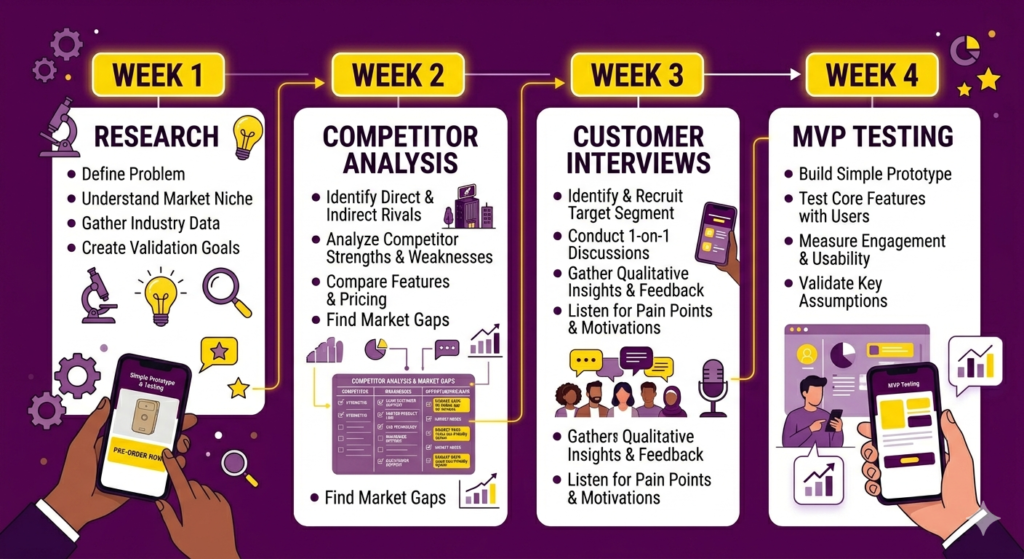
One of the biggest reasons entrepreneurs delay validation is that they believe the process is complicated. In reality, you can gather a significant amount of market evidence in just 30 days if you follow a structured plan.
The goal is not to build a perfect business within a month. The goal is to determine whether your idea deserves further investment.
Week 1: Research the Problem
Start by clearly defining the problem your business aims to solve. Spend time researching online communities, Facebook Groups, Reddit discussions, Quora threads, and industry forums where your target audience spends time.
Look for recurring complaints, frustrations, and questions. Document everything you discover. Pay close attention to the language people use when describing their challenges because these insights can later improve your marketing and messaging.
By the end of the first week, you should have evidence that the problem exists and affects a specific group of people.
Week 2: Analyze the Competition
During the second week, study businesses already serving the market.
Review competitor websites, social media pages, customer testimonials, and online reviews. Identify what customers love and what they complain about most.
Your objective is not to copy competitors. Instead, you want to uncover opportunities to provide greater value or serve a specific niche more effectively.
Week 3: Talk to Potential Customers
Dedicate the third week to customer conversations. Aim to speak with at least 10 to 20 people who fit your target audience.
Ask open-ended questions about their challenges, current solutions, and purchasing behavior. Focus on learning rather than selling.
These conversations often reveal insights that no amount of online research can provide.
Week 4: Launch a Simple MVP Test
Use the final week to test your idea in the real world.
Create a landing page, offer a pilot service, launch a small pre-order campaign, or build a simple prototype. Then measure responses such as email signups, inquiries, waitlist registrations, and purchases.
Track your results carefully and compare them against your expectations.
At the end of 30 days, you should have enough evidence to make an informed decision. You may discover strong demand and move forward confidently, or you may identify weaknesses that need improvement before investing further.
Either outcome is valuable because validation helps you make decisions based on facts rather than assumptions.
COMMON BUSINESS IDEA VALIDATION MISTAKES TO AVOID
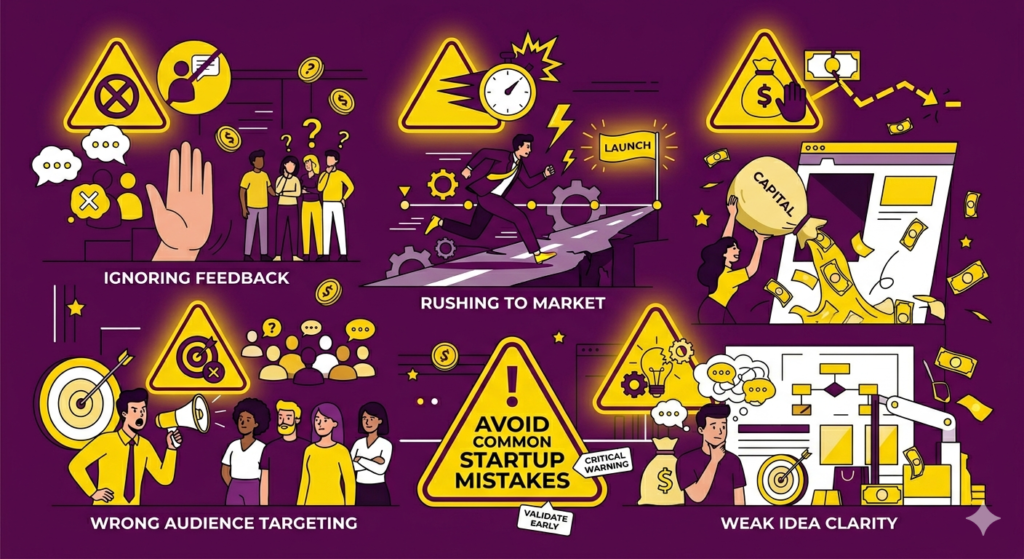
Even when entrepreneurs try to validate a business idea, many still make avoidable mistakes that lead to wrong conclusions. These mistakes can make a weak idea look strong, or a strong idea look weak, which is why understanding them is important.
One of the most common mistakes is asking leading questions. For example, instead of asking customers what problems they face, some entrepreneurs ask, “Would you buy my product?” This type of question encourages polite answers rather than honest insights, which can distort your validation process.
Another mistake is ignoring negative feedback. Some entrepreneurs only focus on positive responses and dismiss criticism. In reality, negative feedback is often more valuable because it highlights weaknesses you need to fix before launching.
Testing with the wrong audience is also a major issue. If you validate your idea with friends, family, or people who are not your target customers, the feedback you receive may not reflect real market behavior. Proper validation requires engaging with actual potential buyers.
Spending too much money too early is another costly error. Some entrepreneurs invest heavily in branding, inventory, or development before confirming demand. This increases risk and reduces flexibility to adjust the idea based on feedback.
Many also assume demand without evidence. Just because an idea feels useful does not mean people are actively looking for it or willing to pay for it. Validation is about proving demand, not assuming it exists.
Finally, rushing the process can lead to poor decisions. Skipping steps like research, customer interviews, or MVP testing often results in incomplete data and inaccurate conclusions.
Avoiding these mistakes helps ensure your validation process produces reliable results. The goal is not to prove your idea right, but to discover the truth about its potential in the market.
When done correctly, validation becomes a powerful tool that helps you reduce risk, refine your offer, and increase your chances of building a profitable business.
FREQUENTLY ASKED QUESTIONS ABOUT BUSINESS IDEA VALIDATION

How do I validate a business idea?
You validate a business idea by testing whether real people have the problem you are trying to solve and whether they are willing to pay for a solution. This involves steps like problem research, competitor analysis, customer interviews, and testing a simple MVP before investing heavily.
What is the cheapest way to test a business idea?
The cheapest way to test a business idea is through online research and direct customer conversations. You can also use free tools like Google Trends, social media groups, and landing pages created with minimal cost to measure interest before building anything.
How long should business idea validation take?
Business idea validation can take anywhere from 2 to 4 weeks if done properly. A structured 30-day validation plan is often enough to gather meaningful insights about demand, customer interest, and willingness to pay.
Should I build a product before validation?
No. Building a full product before validation is risky. It is better to first confirm that people want your solution through research, feedback, and MVP testing. This helps you avoid wasting time and money on ideas that may not sell.
What if someone copies my idea?
Idea copying is common in business, but execution matters more than the idea itself. Even if someone copies your concept, your understanding of the market, customer relationships, and positioning will give you an advantage if you validate and launch properly.
How do I know customers will actually pay?
The best way to know is to test real purchasing behavior. Pre-orders, pilot services, paid trials, or early offers are strong indicators of willingness to pay. Likes and comments are not enough; only transactions confirm demand.
What is the difference between interest and demand?
Interest is when people like or engage with your idea. Demand is when people are ready to spend money on it. A business is only truly validated when demand is proven through actual customer payments.
FINAL THOUGHTS: VALIDATE FIRST, INVEST SECOND
Building a successful business is not just about having a great idea. It is about making sure that the idea solves a real problem, has real demand, and can generate real revenue. That is why learning how to validate a business idea before investing is one of the most important skills any entrepreneur can develop.
Too many people rush into business based on excitement, trends, or assumptions, only to discover later that customers are not interested or not willing to pay. Validation helps you avoid that cycle by grounding your decisions in evidence instead of emotions.
When you validate first, you reduce risk, save money, and increase your chances of building something sustainable. You also gain clarity about your target audience, your pricing, and how to position your offer in the market.
Think of validation as a business habit, not a one-time step. Even after launching, successful entrepreneurs continue testing ideas, collecting feedback, and refining their offers based on customer behavior. The market is always changing, and your ability to adapt is what keeps your business relevant.
If you take anything from this guide, let it be this: do not invest heavily in any idea until you have proof that people want it and are willing to pay for it. Small tests today can save you from major losses tomorrow.
The goal is not to avoid risk completely, but to take smarter risks backed by real data. That is how sustainable businesses are built.
Before you build, sell, or scale anything, validate first. Then invest with confidence.